

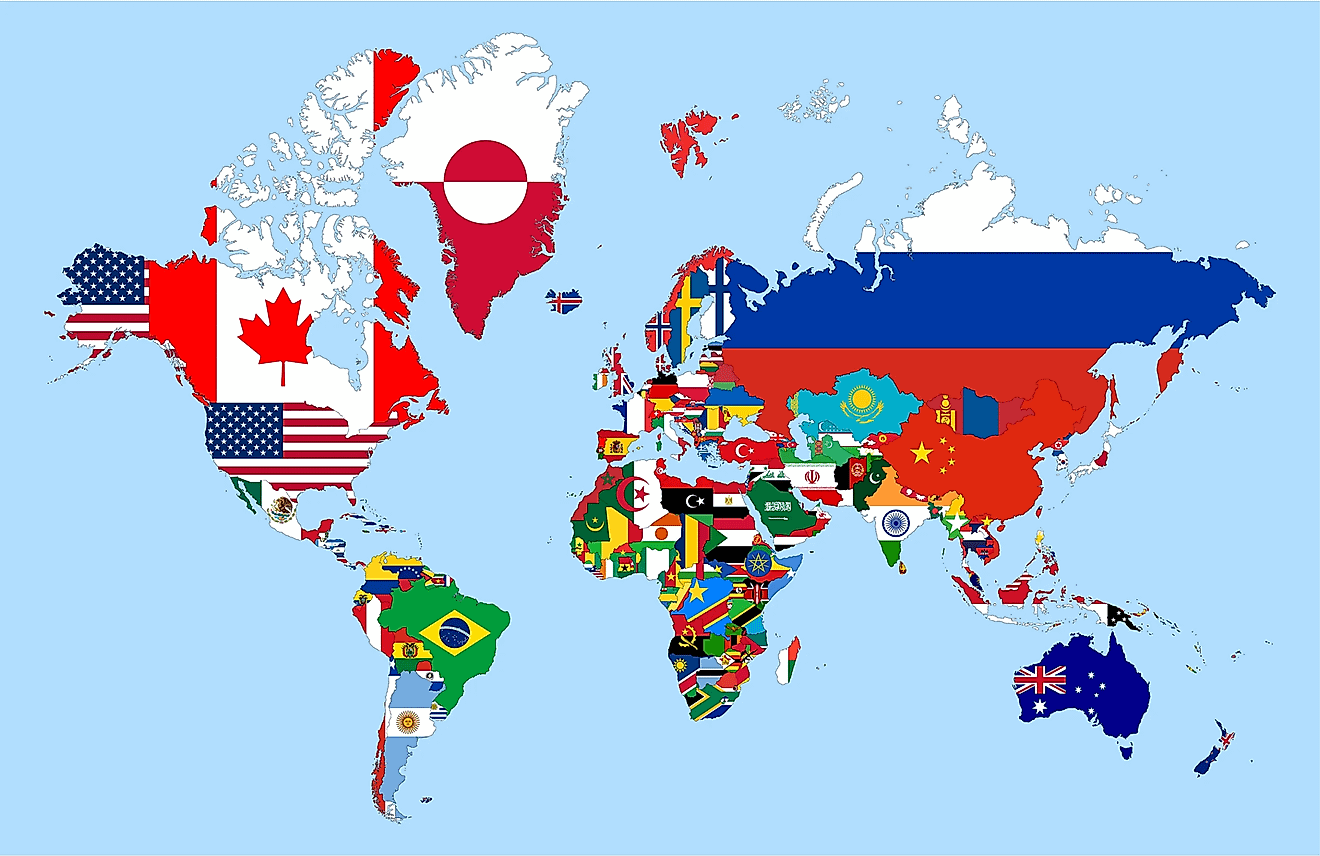
The enchanting world of traditional performance art often leaves enthusiasts and novices alike captivated. Among the array of remarkable spectacles, the Chinese yo-yo—a delightful blend of dexterity and creativity—stands out, captivating audiences across generations. But which country claims this extraordinary art form as its own? As we embark on this cultural exploration, let us pose a playful question: Are we ready to unravel the intricate tapestry of the Chinese yo-yo and understand its roots within the vibrant heritage of China?
The origins of the Chinese yo-yo, or “diabolo,” provide intriguing insight into the rich history of this ancient pastime. Emerging roughly two thousand years ago, its inception can be traced back to ancient China, where it was commonly utilized as a tool for skillful entertainment and social gatherings. Initially crafted from wood or bamboo, this early iteration of the diabolo soon morphed into a more refined version made from materials such as porcelain and metal. This evolution not only reflects technological advancements but also showcases the cultural importance attributed to the art itself.
As we delve deeper into the nuances of the Chinese yo-yo, it’s imperative to examine the cultural significance behind its various forms of expression. The art of diabolo is closely intertwined with traditional Chinese festivals, performances, and rituals. Its popularity soared during the Tang and Song dynasties when multiple art forms merged to create elaborate spectacles, inspiring entertainers to incorporate the diabolo into theatrical performances. This duality of purpose—serving both as entertainment and as a cultural artifact—demonstrates the item’s integral role in Chinese society.
While the significance of the diabolo is firmly rooted in Chinese heritage, one cannot overlook its modern resurgence around the globe. Today, the Chinese yo-yo transcends its original boundaries and has found a place in the hearts of performers worldwide, resonating with diverse audiences across continents. As its popularity grows, amateur practitioners are challenged to master the techniques of manipulation and rhythm that define this intricate skill. With every toss and catch, players find themselves immersed in a world where concentration, rhythm, and creativity collide.
Moreover, the formal structure surrounding the governance of diabolos has manifested interesting characteristics across cultures. In China, performances are often presented with traditional music, adding layers of complexity to the visual spectacle. The integration of historic attire, vibrant colors, and meticulously choreographed movements fosters an immersive experience that captivates spectators. Conversely, in Western adaptations of the diabolo, performances may stray from traditional conventions, prioritizing creativity and individual artistic expression over strict adherence to historical context. This divergence poses an enlightening challenge: What do we lose and gain as cultural practices evolve across borders?
The technique of juggling the Chinese yo-yo involves more than mere skill; it is a discipline entrenched in the values of perseverance and practice. Each throw serves as a manifestation of discipline, where aspiring players are encouraged to refine their skills through repetition and experience. The rhythm of the diabolo, akin to a complex dance, requires a profound connection between performer and object. This necessity raises pertinent questions about our engagement with cultural artifacts: Do we fully appreciate the effort invested in these art forms, or do we underestimate the significance behind every performance?
Furthermore, as one explores the pedagogical aspects of the Chinese yo-yo, it becomes evident that instruction is crucial for mastery. Classes and workshops dedicated to teaching children and adults alike are gaining traction, reinforcing the importance of community in sustaining cultural practices. This intergenerational exchange fosters a renewed sense of belonging, as novice players absorb knowledge from seasoned practitioners. Here, we arrive at another fascinating inquiry: Can the modern pedagogical frameworks that introduce the Chinese yo-yo to new audiences maintain the integrity and authenticity of this ancient practice?
In the quest to understand the full tapestry of the Chinese yo-yo, cultural representation becomes a vital consideration. Who narrates the stories of this performance art, and how do various cultural lenses affect the interpretation of the diabolo? As practitioners and audiences engage with the diabolos, they become stewards of a legacy that has transcended time and geography. The interplay between unity and diversity within this practice urges us to contemplate the broader implications of cultural exchange in an increasingly interconnected world.
As our exploration of the Chinese yo-yo comes to a close, it is important to recognize that this performance art exemplifies the richness of Chinese culture while also embodying universal themes of creativity, persistence, and community. The act of spinning, tossing, and manipulating the diabolo offers a unique window into understanding the cultural values that bind societies together despite their differences. Thus, while the Chinese yo-yo may originate from a singular nation, it ultimately serves as a symbol of shared human experience—a testament to the innate desire for connection through art.
In contemplating the future of the Chinese yo-yo and its various interpretations around the globe, one must remain vigilant about the interplay between tradition and innovation. How can we cultivate an environment that honors historical practices while embracing the necessary evolution that comes with time? This ongoing dialogue holds the potential to deepen our understanding of cultural artifacts in an ever-changing world and may pave the way for future generations to enjoy and reimagine the vibrant legacy of the Chinese yo-yo.

Leave a comment