

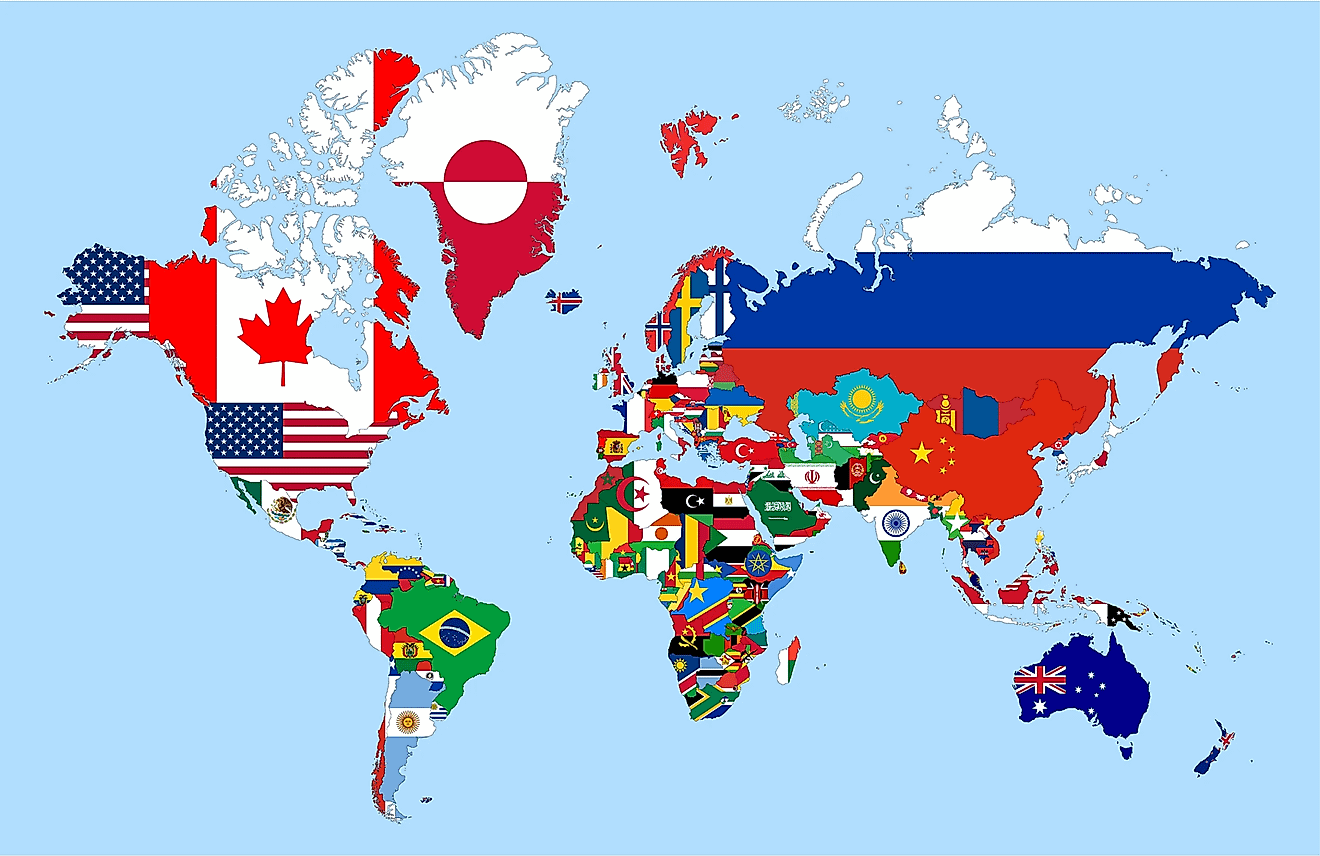
In the modern global economic landscape, convergence—the phenomenon where poorer economies begin to catch up to wealthier ones—exemplifies a crucial narrative within the discourse of economic equality. This article examines various countries that illustrate convergence through progressive economic policies, deliberate investment in social capital, and strategic incorporation into global markets. The focus will be primarily on one country that has made significant strides toward economic parity: South Korea.
To comprehend the dynamics of convergence, one must first delineate the multifaceted dimensions of economic equality. Economic equality encompasses multifarious factors, including income distribution, access to educational resources, healthcare, and opportunity. The interplay between these elements is essential in assessing a nation’s overall economic health and trajectory. South Korea, amidst its rapid industrialization and technological advancements, serves as a salient case study to illustrate convergence and its implications on economic equality.
South Korea’s journey began in the aftermath of the Korean War, a time when its economy was underdeveloped and reliant on agricultural exports. Through a series of government-led initiatives, the country embarked on a deliberate path of economic reform. The pivotal moment in this trajectory was the implementation of the “Miracle on the Han River” strategy in the 1960s. This strategy emphasized export-oriented growth, heavy investment in education, and robust infrastructure development.
One of the distinguishing features of South Korea’s economic policies was its commitment to education as a cornerstone for equality. The government recognized that a well-educated workforce was integral to its ambitions. As a result, South Korea introduced comprehensive educational reforms, elevating literacy rates from a mere 22% in 1945 to nearly 100% by the early 2000s. This proactive approach not only facilitated workforce skill enhancement but also promoted social mobility. As the population became more educated, it concurrently became better positioned to seize economic opportunities, thereby reducing income disparities.
Alongside education, South Korea’s health policies played a critical role in fostering economic equality. The establishment of the National Health Insurance program in 1989 ensured that healthcare services were accessible to all citizens. Access to healthcare is intrinsically linked to workforce productivity. Healthy citizens are far more likely to engage in sustained employment, accumulate wealth, and contribute to the community’s economic vitality. By prioritizing health, South Korea has mitigated social inequalities that often stem from disparities in healthcare access.
The industrial sector in South Korea exemplifies another facet of convergence strategy. The government adeptly collaborated with chaebols—large family-owned conglomerates—to propel economic growth, ensuring that the benefits of industrialization permeated through various layers of society. This partnership produced globally recognized brands such as Samsung and Hyundai, which not only bolstered the economy but also generated substantial employment opportunities. As these companies flourished, they provided livelihoods for millions, thus contributing to gradual income equality and diminishing the wealth gap that often characterizes developing nations.
Moreover, South Korea’s strategic integration into global markets catalyzed its economic convergence. In contrast to a protectionist stance, South Korea embraced globalization by fostering exports. The country actively participated in international trade agreements and joined global organizations. This inclusion allowed for increased foreign direct investment, instigating competition and innovation within domestic markets. The resultant economic dynamism fostered by globalization contributed to heightened standards of living across different socio-economic strata.
Despite these remarkable achievements, challenges remain. The income inequality gap has been persistent, with the Gini coefficient reflecting substantial disparities. Furthermore, the aging population poses questions about sustainability in its robust economic frameworks, necessitating further reforms to address these emerging issues—underscoring the complexity of achieving true economic equality.
It is essential to contextualize South Korea’s experience within broader global trends. Countries such as Singapore and certain Eastern European nations have embarked on similar paths to convergence, albeit with distinct approaches and outcomes. The comparative analysis of these nations illuminates the multiplicity of pathways to economic equality while accentuating the importance of tailored strategies that reflect unique political, cultural, and social realities.
In summary, South Korea’s experience serves as a poignant example of economic convergence, intricately linked to deliberate policy-making, investment in human capital, and integration into the global economy. By prioritizing education, healthcare, and strategic industrial partnerships, the nation has navigated the complexities of economic development and equality. The nuances surrounding the country’s ongoing struggles with income disparities serve as a reminder that the pursuit of economic equality is an evolving endeavor, one requiring continual reassessment and adaptation of strategies in response to changing socio-economic landscapes.
As global discourse shifts toward equitable development, examining exemplary cases like South Korea sheds light on the multifaceted challenges and opportunities inherent in the process of convergence. Through understanding these dynamics, policymakers and scholars alike can glean insights to inform future strategies aimed at nurturing economic equality in diverse contexts.

Leave a comment