

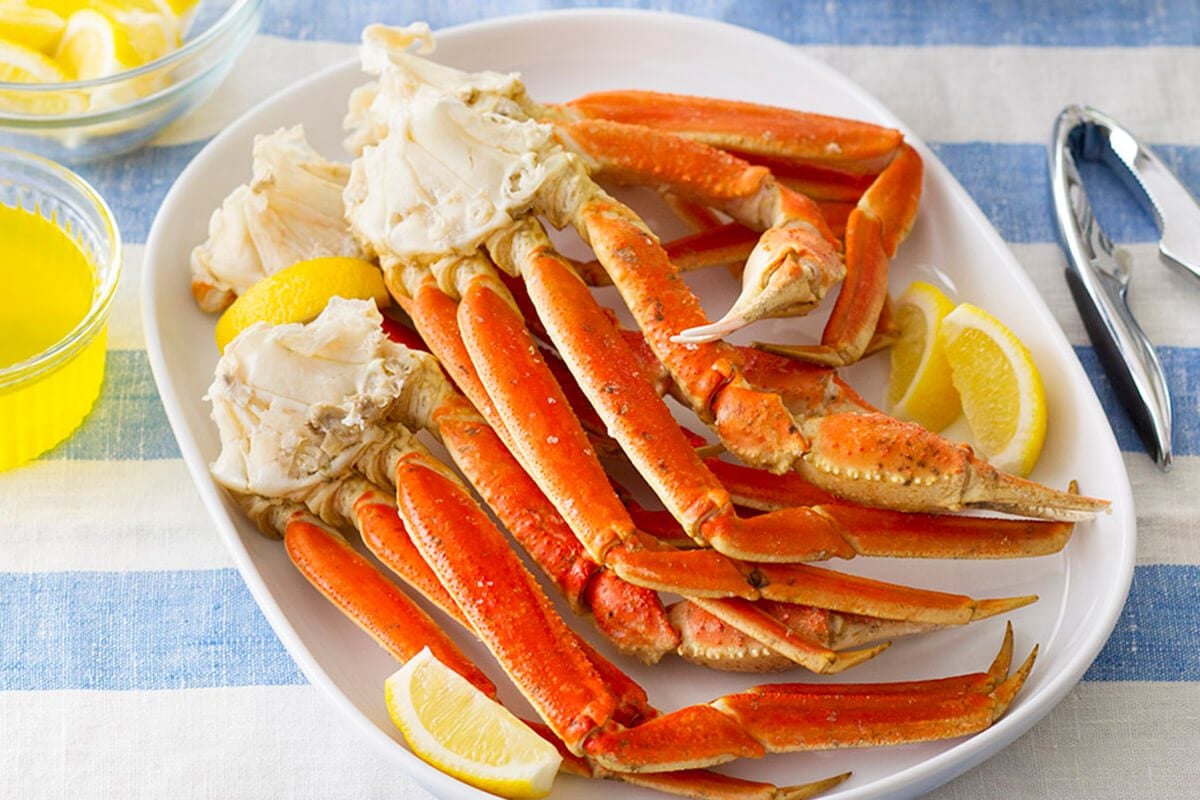
When it comes to seafood delicacies, few can rival the sumptuousness of crab legs. The tender, succulent meat encased within their shells has made them a favorite among seafood aficionados. However, not all crab legs are created equal. Various species offer differing quantities of meat and flavor profiles, thus necessitating a discerning eye when selecting the ideal crabs for consumption. This guide delves into the types of crab legs with the most meat, ensuring that your crab feast is nothing short of a culinary triumph.
First and foremost, it is essential to familiarize oneself with the predominant types of crab legs available in culinary circles: King Crab, Snow Crab, and Dungeness Crab. Each species possesses unique attributes that impact not only the yield of the meat but also its texture and flavor.
1. King Crab Legs
Arguably the royal emperor of crab legs, King Crab stands as a paragon of meatiness. With a leg spanning up to 2.5 feet in length, these robust crabs yield an impressive volume of meat—often averaging 25-30% of their total weight. The meat is characterized by its sweet, buttery flavor, making it a sumptuous choice for those seeking the epitome of flavor. Cooked either by boiling or steaming, King Crab legs can be served with minimal seasoning, allowing the inherent flavors to take center stage.
2. Snow Crab Legs
In comparison to King Crab, Snow Crab legs present a more delicate and slightly less sweet flavor profile. Although they can be found in substantial sizes, the meat yield typically hovers around 15-20% of their weight. Snow crabs are renowned for their easy-to-crack shells and long, slender legs that are packed with tender, flaky meat. A delightful twist lies in their versatility; Snow Crab can be grilled, baked, or sautéed, delighting the palate with its adaptability while remaining a reasonable choice for those on a budget.
3. Dungeness Crab Legs
Dungeness Crab can be likened to the artisan of crabs, bringing a nuanced flavor to the table. Characteristically smaller than their King and Snow counterparts, Dungeness crabs yield about 20% meat. This crab’s flesh is known for its mildly sweet and slightly nutty flavor. The combination of its delectable taste and firm texture makes Dungeness crab legs an exquisite choice for a seafood feast, particularly when served with garlic butter or in crab cakes, where the meat’s integrity is preserved.
Factors Influencing Meat Yield
While species classification provides a framework for understanding crab leg choices, several factors influence the actual yield of meat. The size and maturity of the crab play critical roles in determining how much meat can be extracted. Generally, larger crabs harbor a greater quantity of meat. However, it is essential to distinguish between size and meatiness; a larger crab does not always equate to superior quality or taste.
The time of year can also affect the meat yield. Crabs typically molt during specific seasons, which impacts their caloric storage and nutrient composition. As such, crabs harvested after molting may contain less meat. Thus, inquiring about the harvest season when purchasing crab legs is advisable.
Methods of Cooking Crab Legs
Once you have determined the type of crab legs with which you will indulge, the next step is mastering the cooking methods that best preserve the meat’s quality and maximize flavor. Several methods stand out:
- Steaming: This method locks in moisture and helps maintain the crabs’ natural flavors. Typically, a large pot with a steamer insert is employed, and the crabs are steamed for approximately 5-7 minutes.
- Boiling: For those who crave a faster method, boiling is efficient. However, it must be approached with caution, as overcooking can lead to tough, rubbery meat. Aim for a boil time of around 4-6 minutes.
- Baking: Many enthusiasts favor baking, often by coating the legs in seasoned butter and herbs, then wrapping them in foil before placing them in the oven at 350°F for 20-30 minutes.
Pairing and Serving Suggestions
A delectable crab feast extends beyond merely cooking and consuming; it involves pairing the dish with complementary flavors and textures. Fresh sides such as coleslaw or garlic bread harmonize well with crab legs. For the beverage pairing, opt for white wines like Sauvignon Blanc or light beers, both of which enhance the overall experience without overpowering the dish.
Additionally, don’t neglect the components that elevate presentation: perhaps fresh herbs or a sprinkle of lemon zest to add a burst of color and aromatic appeal to your crab feast.
In summary, King Crab legs reign supreme when it comes to meat yield, followed closely by Dungeness and Snow Crab legs. By considering the unique aspects of each type, alongside appropriate cooking methods and sides, one can orchestrate a splendid crab feast that satisfies even the most discerning palate. Whether indulging in a casual gathering or a meticulously planned event, understanding how to select and prepare crab legs ensures a memorable dining experience that will linger in one’s culinary recollection.

Leave a comment