

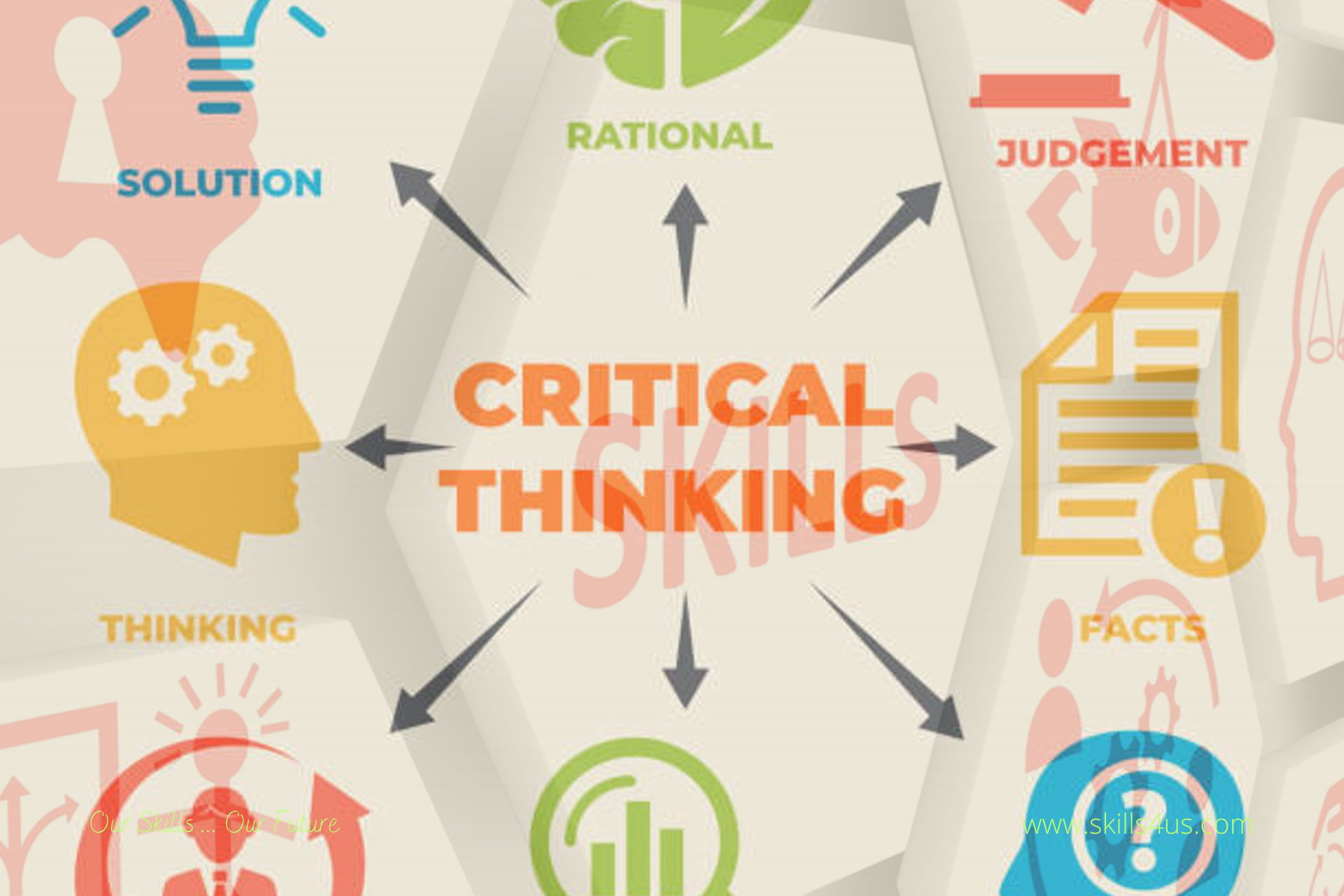
In the realm of nursing, where the stakes are often life and death, a myriad of factors coalesce to influence decision-making processes. Among these, critical thinking emerges as a pivotal competency. This begs the question: Which critical thinking attitude motivates the nurse to act—nursing with insight and intuition? In addressing this question, one cannot overlook the intricate interplay between intuition and analytical reasoning. This article explores the multifaceted nature of critical thinking in nursing, examining the attitudes that fuel nurses’ responses to complex situations.
The foundation of effective nursing practice is built on a tapestry of critical thinking attitudes. These attitudes are not merely passive traits; they are active dispositions that guide nurses in their professional endeavors. A discerning approach reveals that several attitudes are paramount: intellectual humility, courage, empathy, and a commitment to inquiry. Each of these attitudes interlinks, creating a dynamic framework that supports informed and judicious decision-making.
Intellectual humility is perhaps the cornerstone attitude for a nurse designer. A nurse who embodies this attitude recognizes the limitations of their knowledge and is open to new evidence. This acknowledgment does not signify weakness; rather, it indicates a profound understanding of the diverse complexities that underpin patient care. In clinical settings, this attitude fosters a collaborative environment, encouraging nurses to consult colleagues, consider alternative perspectives, and remain receptive to learning opportunities. For instance, when faced with an unfamiliar case, a nurse demonstrating intellectual humility may seek guidance, thereby enhancing patient outcomes through collective wisdom.
Contrastingly, intellectual courage propels nurses into uncharted territories. When confronted with ethically ambiguous situations or ambiguous clinical data, the courageous nurse is undeterred. Instead of shying away from challenging decisions, they confront dilemmas head-on, weigh potential consequences, and act judiciously. This tenacity is crucial in critical care settings, where decisions must be made swiftly. The interplay between reasoning and emotion becomes unmistakably apparent as nurses navigate these high-stakes scenarios. For example, a nurse may instinctively feel that a patient’s decline necessitates a more aggressive intervention, guided by intuition developed through experience, but this instinct is equally supported by rational analysis of clinical indicators.
Empathy further enriches the critical thinking framework by ensuring that nursing practice is grounded in a profound understanding of patients’ experiences. Nurses who cultivate empathy do so not merely as a professional obligation but as an intrinsic commitment to the sanctity of human life. This attitude transforms interactions with patients by fostering trust and open communication. By stepping into the shoes of those they care for, nurses can better assess needs beyond physiological symptoms, thus enabling more holistic treatment plans. The challenge, however, lies in balancing empathy with professional detachment; nurses must not allow their emotions to overshadow clinical judgment.
A commitment to inquiry propels nurses toward continuous improvement. This attitude encourages an active pursuit of knowledge, driven by curiosity and an appreciation for evidence-based practice. In an ever-evolving field, the ability to question existing protocols, adopt new methodologies, and integrate research findings into practice is vital. For instance, a nurse who actively seeks out the latest evidence regarding pain management is more likely to implement effective interventions, leading to enhanced patient satisfaction and outcomes. This attitude not only improves individual practice but also contributes to the advancement of nursing as a whole.
The interplay between these attitudes culminates in a critical thinking paradigm that harmonizes insight and intuition. While insight often manifests through deliberate analysis, intuition arises from the subconscious accumulation of experiences, knowledge, and emotional responses. The delicate balance between these two aspects of cognition is where modern nursing practice flourishes. But how does one cultivate this balance? Addressing this question involves a reflective practice: nurses are encouraged to analyze their thought processes, question their motivations, and remain vigilant of biases that may cloud judgment.
Furthermore, incorporating strategies such as simulation training can enhance both insight and intuition. By recreating realistic clinical scenarios, nurses can refine their decision-making skills, allowing for the experiential learning necessary to develop robust analytical competencies while fostering intuitive insights. This kind of training not only enhances critical thinking but also instills confidence, which is essential in making decisions in real-time clinical situations.
In conclusion, the nurturing of critical thinking attitudes is not merely an academic exercise; it is an indispensable aspect of nursing practice that motivates action. Intellectual humility, courage, empathy, and a commitment to inquiry form the bedrock of a nurse’s ability to apply insight and intuition effectively. Balancing these attitudes in the dynamic landscape of healthcare presents both challenges and opportunities. As nurses embrace the complexities of their roles, fostering a culture of critical thinking will not only improve patient outcomes but also elevate the profession as a whole. The question remains: Are nurses prepared to harness these attitudes effectively? The answer lies in their willingness to engage with these essential competencies and foster an environment conducive to reflective practice and continuous learning.

Leave a comment