

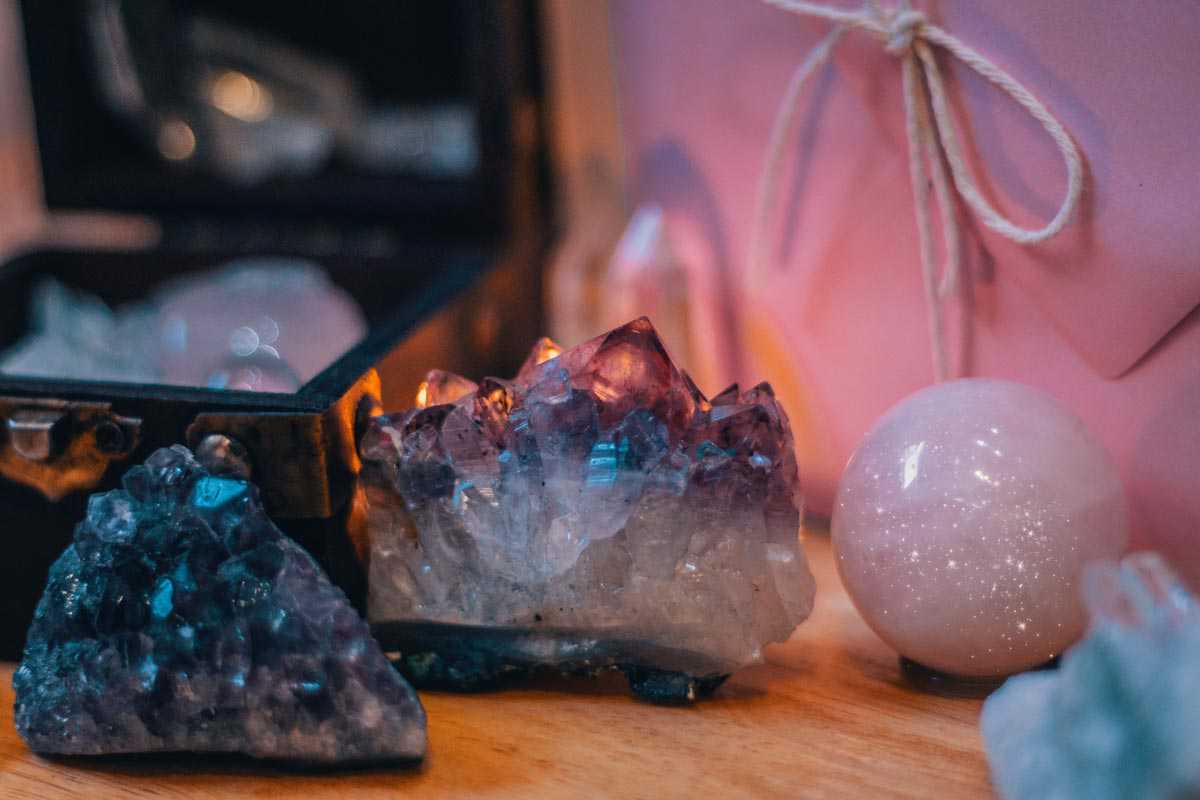
In the realm of crystal healing, the emphasis is often placed on the harmonious combinations of gemstones, their vibrational energies intertwining to create a synergistic effect. However, much like the alchemical principles that govern balance and harmony, there exists a pertinent inquiry: which crystals should not be together? This contemplation invites a multifaceted exploration into the intricate relationships between various crystals—examining both their properties and the potential discord they may evoke when paired imprudently.
Firstly, it is paramount to consider the core attributes of the crystals in question. Crystals possess distinct energetic signatures that can either amplify or negate one another’s effects. For instance, pairing soft, nurturing stones with those embodying aggressive or combative qualities can lead to a jarring juxtaposition, undermining the therapeutic intentions behind their use. Not all crystals are designed to coalesce; some are inherently contradictory.
One prominent pairing that often raises eyebrows among practitioners is that of Black Tourmaline and Moldavite. While Black Tourmaline is revered for its grounding properties and protective influence against negative energies, Moldavite is known for its transformative, high-frequency vibrational energy. When placed in conjunction, the grounding essence of Black Tourmaline may be overwhelmed by Moldavite’s meteoric energies, leading to a jarring experience rather than a harmonious union. This collision of energies could induce unease and anxiety in individuals who seek tranquility.
Similarly, the pairing of Amethyst and Citrine, while aesthetically pleasing, can yield unintended consequences due to their contrasting frequencies. Amethyst embodies spiritual enlightenment and calm, serving as a meditative tool, whereas Citrine is vibrant, emanating energy and stimulating action. The tension between Amethyst’s introspective qualities and Citrine’s vivacity can create a dissonance that muddles the user’s intentions, suggesting that the exquisite balance between these crystals could be compromised if not approached with caution.
Another crucial consideration arises with the combinations of crystals associated with different elemental energies. For instance, juxtaposing Water-associated crystals like Aquamarine with Fire-related counterparts such as Carnelian may invoke an elemental imbalance. The fluid, mutable characteristics of Aquamarine clash sharply with the dynamic and assertive nature of Carnelian. This disharmony may result in heightened emotional turmoil or an inability to focus one’s energies effectively.
Moreover, it is essential to understand the historical context and traditional beliefs surrounding specific crystals. Many cultures have encoded wisdom regarding the complementary and antagonistic relationships between gemstones. For example, the traditional view holds that pairing Hematite, a crystal prized for its anchoring abilities, with Selenite, which is associated with purity and spiritual ascension, may yield contradictory outcomes. The grounding influence of Hematite is often thought to thwart Selenite’s cleansing vibrations, thereby diluting its intended purpose and causing an energetic paradox.
Additionally, those engaged in the practice of energy work should consider practical manifestations when selecting crystal combinations. It is common to encounter the notion that certain crystals create a defensive barrier that can inhibit openness and receptivity. For instance, the use of Obsidian alongside Rose Quartz—while both individually potent—can create a counterproductive dynamic. Obsidian’s protective energy may dampen the nurturing frequencies of Rose Quartz, hindering emotional healing efforts and perpetuating emotional stagnation.
Astrological correspondences also play a significant role in the unseen dynamics between crystal pairings. Each crystal is often linked to specific zodiac signs or planetary influences, which can dictate their compatibility. For instance, the conflicting nature of Moonstone (typically resonating with Cancer) and Amber (commonly aligned with Leo) may lead to a discordant interplay between the emotive and fiery characteristics of these stones. Such discrepancies can thwart the potential benefits that these crystals may offer if utilized in isolation.
Furthermore, the psychological effects of crystals must not be overlooked. For sensitive individuals, certain combinations may provoke feelings of unease or imbalance. The sudden influx of clashing energies can trigger emotional responses that range from apprehension to outright distress. Practitioners are urged to cultivate an acute awareness of their own emotional landscapes and intuitive responses when experimenting with different crystal pairings.
In conclusion, while the pursuit of harmony in crystal healing is an intriguing venture, it is imperative to acknowledge that not all crystals are created equal, nor do they all harmonize effectively. The key to successful crystal usage lies in understanding the nuanced interplay of energies at hand, and knowing which pairings may yield discord instead of synergy. Balancing intuition and informed knowledge is essential in creating a holistic approach to crystal healing. This exploration stands as a testament to the complexity and beauty of the mineral kingdom, inviting us to delve deeper into the mysteries of these ancient earth elements. As you navigate the crystalline labyrinth, allow curiosity and discernment to guide your journey toward optimal vibrational alignment.

Leave a comment