

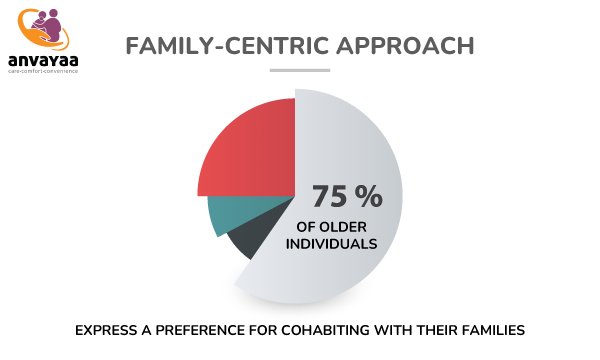
Exploring the intricate dynamics of elder care reveals a tapestry of cultural values and societal norms that dictate how we perceive responsibility towards our elderly population. Across various cultures, the expectation that families should care for their older members reigns supreme. However, some societies exemplify a more pronounced commitment to familial caregiving. This article explores these cultural paradigms, examining the factors that influence such beliefs and practices, while also interrogating what drives the fascinating devotion to familial responsibility in elder care.
Many families across the globe embrace the notion that tending to their aging members is primary. In cultures such as those found in Asia, particularly in countries like India and China, the expectation that families will shoulder such responsibilities is deeply ingrained. Traditional hierarchies often place elders at the pinnacle, deserving of respect and care. Such perspectives are not merely anecdotal but reflect long-held cultural doctrines and philosophical teachings, including Confucianism and Hinduism, which prioritizes family loyalty and respect for one’s ancestors.
In many Asian societies, the familial structure is often extended, encompassing not just immediate relatives but also a broader circle that includes aunts, uncles, and grandparents. This web of interconnectedness creates a robust support system, wherein the well-being of elders is seen as a collective obligation. This expectation persists despite the challenges posed by modernization and urbanization, which have introduced new dynamics into family structures. The unwavering cultural norms surrounding filial piety continue to hold sway over individual choices, fostering an enduring relationship between generations.
Similarly, Mediterranean cultures, such as those in Italy and Spain, exhibit a strong emphasis on family-centric elder care. In these societies, the familial network is paramount. The concept of “la famiglia” extends beyond a mere biological connection; it embodies a responsibility to care for one another, particularly for the elderly. The emotional ties reinforced by shared meals, family gatherings, and communal activities serve as both a reminder and a reinforcement of shared responsibilities. Here, the elderly are not just passive recipients of care but remain active participants in family life, thereby enriching intergenerational bonds.
Contrast these familial obligations with cultures in the West, particularly in the United States. While many still advocate for familial responsibility towards the elderly, there exists a notable shift towards individualism. In American culture, personal autonomy often takes precedence, leading some families to navigate elder care through outsourcing to professional services or elderly care facilities. This divergence raises essential questions about societal values—are individualism and independence inherently at odds with the responsibility of care?
Underlying these cultural expectations are deeper socio-economic factors that further elucidate the dynamics of elder care responsibility. In collectivistic societies, economic constraints may limit the options available to families, driving them toward in-home care as a feasible solution. The preservation of familial resources often necessitates pooling finances, making the care of elderly relatives both a symbolic and practical endeavor. This arrangement underscores the intricate relationship between economic realities and cultural expectations—supporting the idea that caregiving becomes an emotional, financial, and social investment.
Moreover, religious beliefs frequently underpin these cultural frameworks, adding another layer of complexity to intergenerational care practices. In many Eastern religions, the veneration of elders is entrenched in spiritual doctrines. The act of caring for the elderly is often viewed as a virtuous practice, a way to achieve spiritual merit. Such beliefs foster a societal expectation that family members must uphold these values by providing care and support, particularly in old age. This interplay between spirituality and familial responsibility serves to reinforce the existing cultural norms around elder care.
As we delve deeper into various cultural contexts, we observe another critical factor: the role of historical societal structures and how they shape perceptions toward elder care. In societies where welfare systems have historically been weak, families have always been considered the primary caregivers. This legacy has instilled a long-standing expectation that families should fulfill these roles, frequently viewing institutional care as a last resort. On the other hand, nations with robust social safety nets, such as those in Scandinavia, have cultivated a different ethos, one where professional care is normalized. Here, families are not deemed solely responsible; rather, care is shared among various societal systems, often diminishing the burden placed directly upon family units.
Such disparities in perceptions and practices not only reflect cultural attitudes toward elder care but also reveal broader societal values. As global demographics shift, prompting an aging population, these cultural expectations are increasingly scrutinized. The world is witnessing an ongoing dialogue about the balance between familial obligations and the rights of the elderly. With many families straddling the line between tradition and modernity, it becomes essential to consider how these evolving dynamics will influence the future of elder care.
Ultimately, the question of which culture holds families fully responsible for elder care resonates on multiple levels. It encapsulates a rich tapestry of beliefs, practices, and societal frameworks, encapsulating notions of duty, respect, and interdependence. As the globe becomes increasingly interconnected, and as cultural influences permeate and interact with one another, the dialogue surrounding elder care responsibility will continue to evolve. Navigating this terrain requires a recognition of the varied cultural narratives that shape our understanding of caregiving, fostering a more nuanced approach to elder care that honors both tradition and innovation.

Leave a comment