
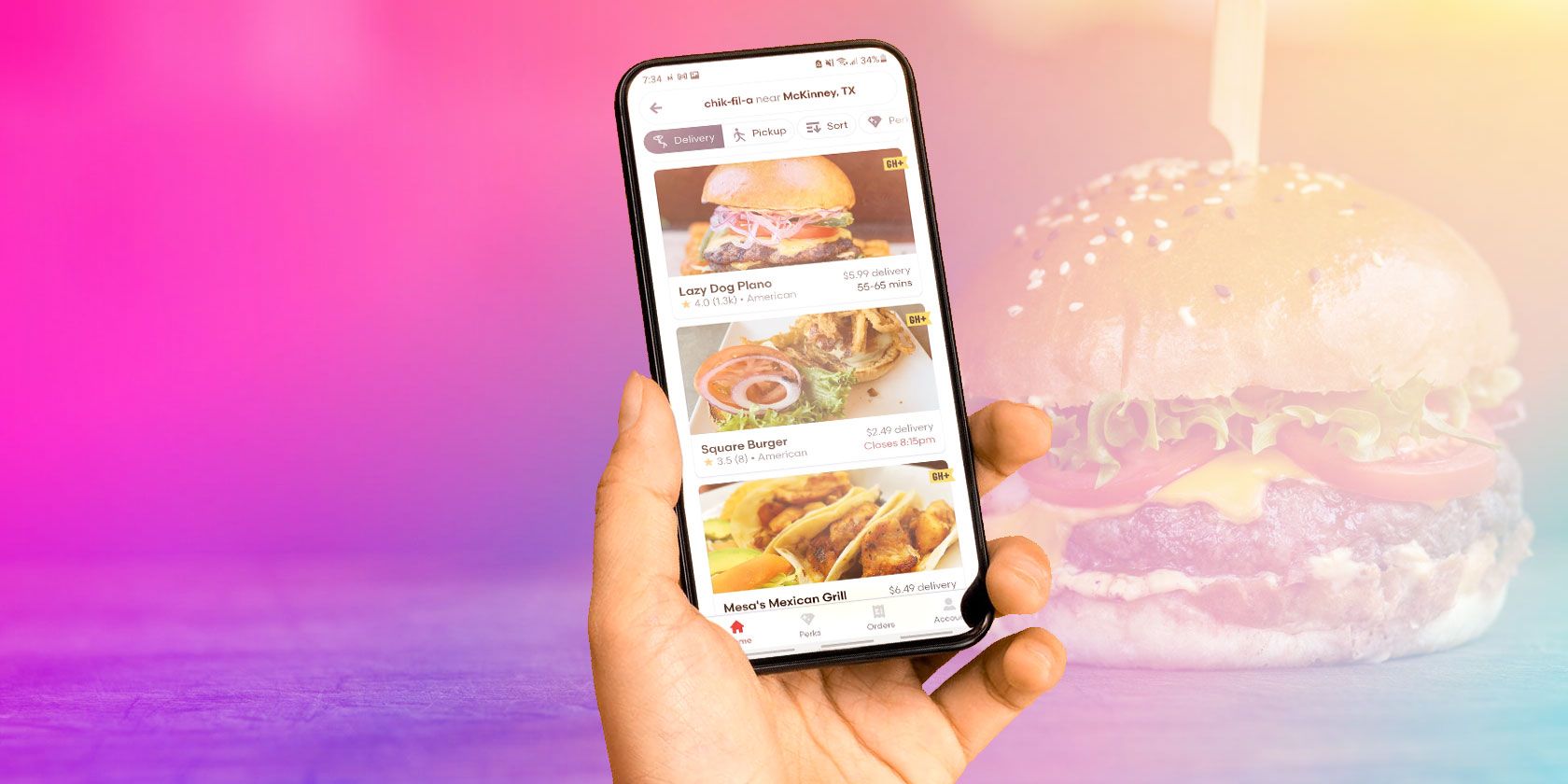
In the evolving landscape of food delivery services, the quest for affordability is paramount. Customers scrutinize not only the price of the meals but also the additional fees that each platform imposes. An examination of contemporary food delivery applications reveals significant variances in their pricing structures, promoting an essential inquiry: which delivery app is cheaper? This discourse aims to elucidate the nuances associated with various delivery platforms, examining both direct costs and ancillary charges, thereby enabling consumers to make informed decisions.
To commence, it is imperative to recognize that the overall cost of utilizing a food delivery app is contingent on several factors. These include the base price of food, delivery fees, service fees, surge pricing during peak hours, and potential promotional discounts. Hence, a comprehensive analysis of the most prevalent platforms—such as DoorDash, Uber Eats, Grubhub, and Postmates—will be instrumental in discerning the most economical option.
1. Base Prices of Meals
Different delivery apps often feature varying menu prices for identical items from partnered restaurants. This disparity can result from unique agreements each service has with local eateries. As such, a meticulous inspection of menu offerings across multiple platforms is prudent, as one app may provide a more favorable price point for a specific dish. Users are encouraged to utilize comparative tools and lists to monitor the incremental variations in costs.
2. Delivery Fees
Delivery fees represent a significant component of the total expenditure when ordering food online. These charges can fluctuate based on factors such as geographical location, distance from the restaurant, and demand surges. Typically, services like DoorDash and Uber Eats impose a flat delivery fee, which may be augmented during high-demand periods. Conversely, Grubhub offers a variable fee structure that can sometimes work to the consumer’s advantage, particularly when restaurant partners provide free delivery promotions.
Furthermore, some platforms have begun implementing subscription models (e.g., DoorDash’s DashPass or Uber Eats’ Eats Pass) that promise reduced delivery fees and potential waivers for service charges. Consumers who frequently utilize these apps may find that subscribing to these services alleviates the burden of increased delivery costs.
3. Service Fees and Additional Charges
Beyond basic delivery fees, service fees often contribute to the final price tag of an order. These fees support app operations and may be calculated as a percentage of the entire order amount. Noteworthily, service fees can vary drastically among platforms. For instance, Grubhub typically charges a consistent service fee, while Postmates may employ a more dynamic calculation based on the specifics of the transaction.
Moreover, consumers ought to be vigilant about other potential costs, such as small order fees, which are levied when the total falls below a certain threshold—often $10—on platforms like DoorDash and Grubhub. To sidestep any unwelcome surprises, thorough examination of the pricing disclosure mechanisms of each app serves beneficial.
4. Surge Pricing and Peak Hours
Surge pricing, a practice often encountered during peak business hours, poses an additional financial challenge for users. Uber Eats, for instance, may impose higher fees during times of elevated demand. Such fluctuations can render an otherwise economical option exorbitant within a brief period. Understanding peak periods and strategically planning orders to bypass these surges can yield significant savings. The savvy consumer should remain aware of patterns, utilizing analytics or data collected over time to predict fluctuations in pricing.
5. Promotions and Loyalty Programs
Enticing discounts, promotional offers, and loyalty programs are prevalent across these platforms, designed to appease both new customers and retain existing ones. Grubhub frequently implements discount codes and special promotions. Users can often find limited-time offers that enhance the value of their transactions. Similarly, DoorDash and Uber Eats issue periodic discounts that can apply at checkout, often based on first-time usage or referrals.
Additionally, some services provide loyalty initiatives where users can accumulate points or cash back for future orders. These tools can substantially offset costs over repeated transactions, allowing consumers to maximize their expenditure effectively.
6. Analyzing Cost-Effectiveness Through User Experience
Cost-effectiveness transcends mere monetary calculations, encapsulating user experience and satisfaction as well. A quicker delivery time, friendly customer service, and user-friendly interface can significantly enhance the overall service value. Reviews and testimonials can provide insight into the reliability of each app, informing potential customers about the qualitative aspects of their food ordering experience.
7. Summary: Determining the Most Affordable Delivery App
The inquiry into which delivery app emerges as the cheapest is profoundly nuanced and involves careful consideration of all aforementioned factors. While some platforms might excel in base prices, others might offer advantageous delivery or service fee structures. The emergence of promotional incentives adds layers to the equation, complicating the assessment of cost-effectiveness.
The inevitability remains: consumers must partake in a modicum of research to delineate which service aligns best with their financial parameters and culinary desires. Ultimately, cultivating an awareness of individual consumption habits, well-researched comparisons, and strategic ordering can significantly enhance the effectiveness of budgeting for food delivery services.
