

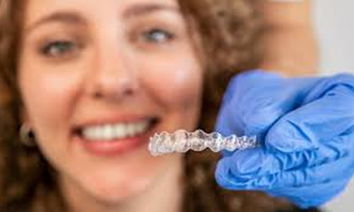
Dental night guards, also known as occlusal splints or bite guards, are essential devices designed to mitigate the adverse effects of bruxism, a condition characterized by the involuntary grinding or clenching of teeth, particularly during sleep. The prevalence of bruxism is alarmingly high, affecting a significant portion of the population. As individuals seek remedies for the debilitating consequences of jaw clenching, such as headaches, tooth wear, and jaw pain, the demand for dental night guards has surged. However, one pertinent question persists: which dental insurance plans cover the cost of these protective appliances?
To understand this aspect, it is crucial to first delineate the varying types of dental insurance plans that are currently available. Primarily, these can be classified into three categories: indemnity plans, preferred provider organizations (PPOs), and health maintenance organizations (HMOs). Each type possesses distinct attributes that influence policyholders’ coverage regarding dental night guards.
Indemnity plans, often referred to as traditional insurance or fee-for-service plans, usually offer the broadest range of dental services. Under these plans, patients have the autonomy to select any dentist without being confined to a network. Consequently, many indemnity plans provide comprehensive coverage for night guards, contingent upon a dentist’s recommendation and the necessity of the appliance for the patient’s oral health. Coverage typically includes the examination, fitting, and necessary adjustments.
Conversely, PPOs present a more restricted yet cost-effective alternative. They operate within a network of preferred providers, where patients can avail themselves of discounted fees for services rendered. Many PPO policies stipulate that dental night guards are considered a major dental service, thus necessitating a deductible and possibly contributing to out-of-pocket costs. Yet, it is essential to note that coverage varies significantly among different PPO plans. Some may cover a percentage of the costs after the deductible has been met, while others may categorize night guards under cosmetic procedures, which are often excluded from coverage.
HMOs, on the other hand, are characterized by a stricter framework that mandates patients to seek services exclusively from a designated network of providers. While these plans typically exhibit lower premiums, their coverage for dental night guards can be limited. In many instances, night guards are not covered at all unless the dentist demonstrates a clear medical necessity, emphasizing the importance of obtaining a proper diagnosis.
A critical consideration when evaluating dental insurance coverage for night guards is the inclusion of a documented diagnosis. Insurance providers often require evidence that the night guard is necessary due to a diagnosed condition. Thus, patients suffering from bruxism or other related disorders must ensure that their dental professional articulates this need explicitly in the insurance claim. This can include providing documentation of symptoms, treatment history, and any prior attempts to alleviate the condition, such as night guard usage or other dental interventions.
Moreover, policyholders should also factor in the annual maximum benefit limit, which caps the total amount the insurance will pay for covered dental services in a given year. This is particularly significant for patients requiring ongoing treatment, as the cumulative costs of dental night guards, coupled with the associated dental visits, can quickly exhaust this limit. Consequently, it may be advantageous for patients to conduct a cost-benefit analysis to determine whether their dental insurance plan will adequately cover the expenses related to night guards while considering their specific oral health needs.
In addition to traditional coverage, it is worth exploring supplemental dental insurance plans that target specific needs, including bruxism treatment and night guard coverage. These policies can provide an added layer of financial protection for those whose primary insurance plans lack sufficient provisions. They typically focus on preventive and restorative services, ensuring patients can access night guards without the burden of overwhelming out-of-pocket expenses.
Furthermore, the fecundity of online resources has enabled consumers to conduct thorough research regarding various dental insurance providers and their respective plans. Comprehensive comparison websites allow prospective enrollees to scrutinize coverage specifics, facilitating informed decisions tailored to their individual requirements. Key considerations should encompass not only premiums and deductibles but also exclusions, waiting periods, and reimbursement limits for dental night guards.
In conclusion, navigating the labyrinth of dental insurance coverage for night guards necessitates an astute understanding of the intricate interplay between various plan types and individual health needs. From indemnity plans providing expansive coverage options to PPOs imposing restrictions based on network affiliations, the availability of night guard coverage varies widely. Patients are encouraged to engage in thorough conversations with their dental care providers regarding documented diagnoses that substantiate their need for night guards. In doing so, they can effectively advocate for their health while also ensuring that they maximize their insurance benefits. Such diligence not only fosters optimal oral health outcomes but also mitigates financial burdens associated with necessary dental appliances.

Leave a comment