
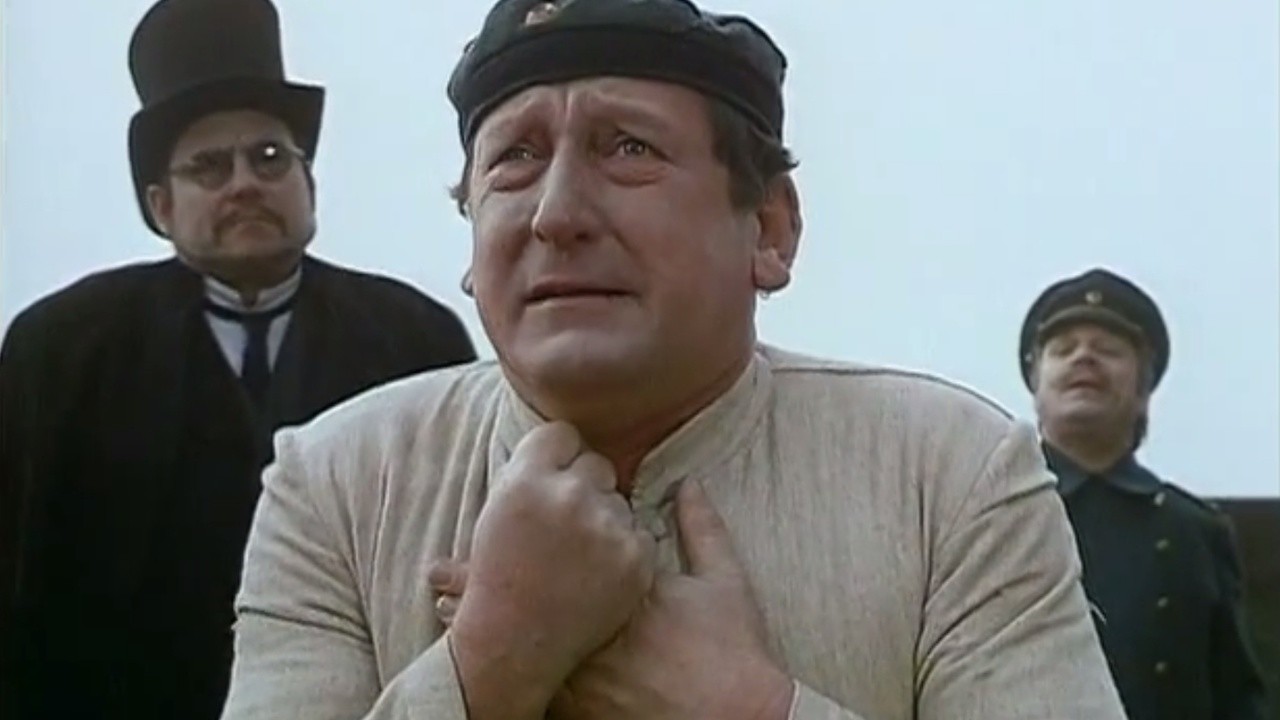
“Wozzeck,” composed by Alban Berg, stands as a seminal work in the canon of operatic literature. This avant-garde opera, rooted in the intricate spiritual struggles of the human condition, showcases a plethora of performers—both vocalists and instrumentalists—who breathe life into its haunting narrative. The description of the performers in this excerpt reveals layers of complexity that merit closer examination.
At the heart of any operatic endeavor lies the singer, and in “Wozzeck,” the portrayal of characters is profoundly tied to their vocal attributes. The performers embody more than mere roles; they encapsulate existential angst, evoking a visceral connection with the audience. The protagonist, Wozzeck, is typically rendered by a baritone whose timbre must convey both vulnerability and an undercurrent of violence. The duality of this character is expressed through a rich, resonant voice that shifts from melancholy to rage, drawing listeners into his torment. The baritone’s capacity to traverse these emotional landscapes enhances the opera’s tension and invites contemplation on themes of alienation and despair.
In stark contrast to the lead, the role of Marie requires a soprano with a bright, penetrating voice capable of portraying her multifaceted nature—innocent yet tarnished by her circumstances. The soprano must exploit the upper register to convey Marie’s fleeting moments of joy, while grounding her portrayal in a deeply felt sadness. As the opera progresses, the soprano’s interpretation necessitates a nuanced understanding of emotional fragility, allowing her voice to oscillate between seduction and desperation. This vocal agility accentuates the tragic dimensions of her character, serving as a commentary on the societal constraints imposed upon women.
The instrumentalists playing in “Wozzeck” complement the vocalists with an orchestral palette that is not only innovative but also deeply reflective of the characters’ psychoses. The complex harmonies and dissonances crafted by Berg create an unsettling atmosphere, and performers in the orchestra are tasked with navigating this intricate musical language. Each musician, from the strings to the brass, contributes to a collective sound that evokes the horrors of Wozzeck’s reality. This reinforces the notion that the performers, regardless of their instruments, share a commitment to portraying the essential themes of madness and disenchantment.
Beyond vocal prowess and instrumental competence, the presence of performers in “Wozzeck” is intricately tied to their ability to embody the narrative physically. Stage direction plays a pivotal role in translating the emotional turbulence of the score into physical action. The performers’ movements must articulate the emotional currents of the opera—they are not mere figures in an elaborate tableau but embodiments of existential philosophy. Gesture and posture become vital tools; for instance, Wozzeck’s gait could convey his internal struggle—a heavy burden mirrored in his physicality—as he navigates his oppressive environment.
Costuming also influences the performers’ depiction of their characters. Traditional garb offers a stark visual contrast to the psychological turmoil within. By dressing Wozzeck in worn, tattered clothing, the audience is visually reminded of his socioeconomic plight. Similarly, Marie’s attire may transition throughout the opera, symbolizing her fleeting aspirations and subsequent descent into turmoil. The performers’ ability to harness the visual elements of their costumes transforms them into dynamic storytellers, thereby deepening the audience’s engagement with the narrative.
Choreographed movement further elaborates on the psychological dimensions of the characters. The interrelation between performers is a microcosm of societal hierarchies. The dualistic interactions, particularly in the duets or trios, illustrate the power dynamics at play. The performers embody an almost choreographic rigidity that reflects the constraints imposed on their characters by their society, thus suggesting an entrapment that transcends mere narrative to comment on broader socio-political themes.
The emotional resonance conveyed through vocal and physical performances leads to another nuanced observation regarding the universality of the characters’ struggles. Performers’ ability to embody their roles intimately influences the viewer’s connection to the narrative. Wozzeck’s descent into madness is not only a portrayal of his individual struggle but a representation of the collective human experience. As the performers articulate these complex emotions, they forge a bridge between the opera and its audience, reinforcing the notion that suffering and alienation are not confined to a singular era or society.
In conclusion, the performers in “Wozzeck” are multidimensional entities who collectively bring to life a poignant exploration of human suffering. Their vocal techniques, physical embodiment, and nuanced interpretations work in concert to create an experience that transcends the opera house. The allure of their performances lies not merely in their artistry but in their capacity to forge a profound connection with the audience. This synthesis of vocal prowess, theatrical realization, and emotional depth cultivates an enduring fascination with “Wozzeck,” inviting continued exploration of its challenging themes and deep-seated human truths.
