

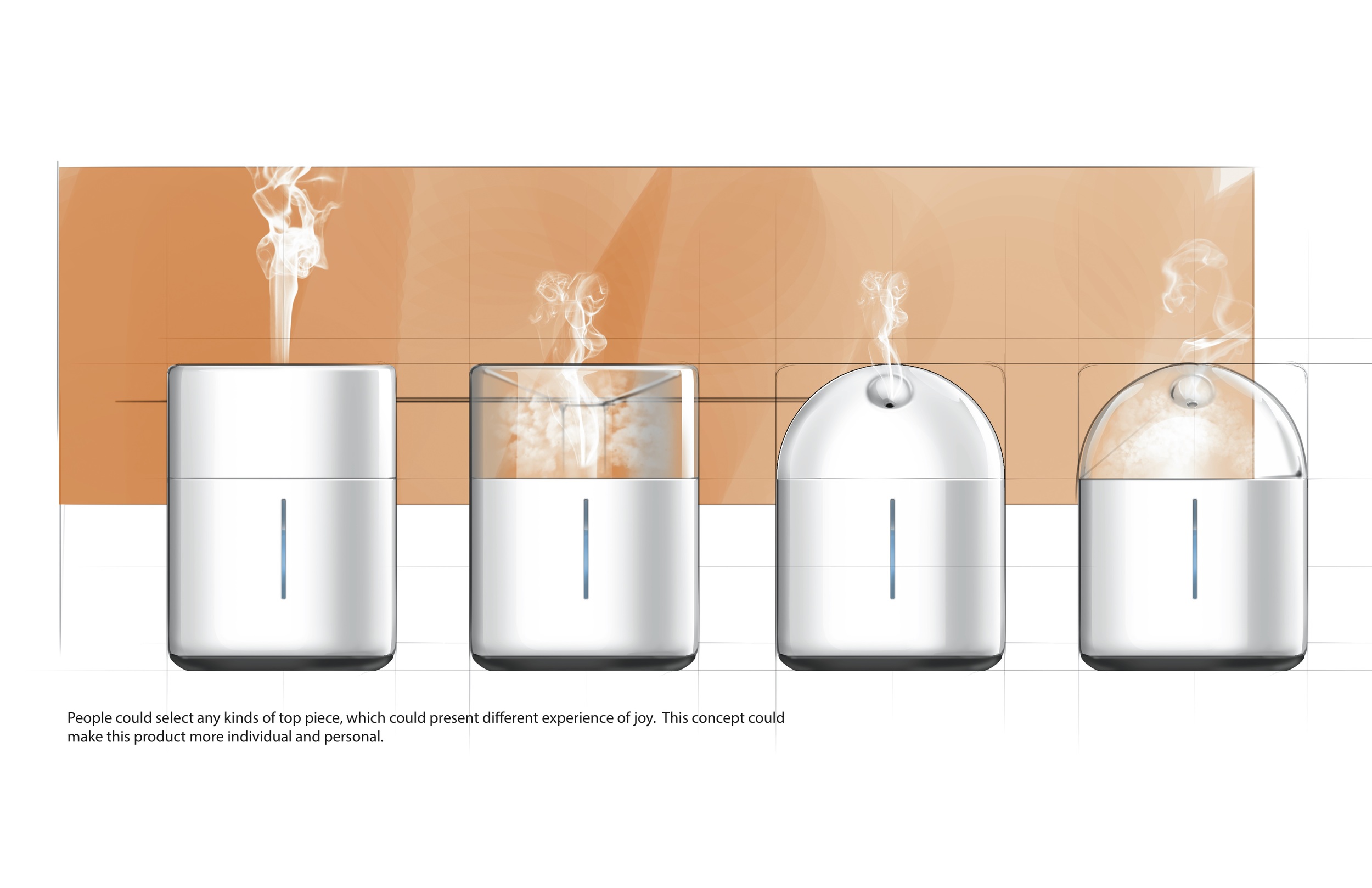
In the realm of indoor air quality improvement, the design of humidifiers has garnered significant attention from both consumers and manufacturers alike. A particularly pressing concern among users revolves around the maintenance of these devices, particularly the frequency and effort associated with their cleaning. The question arises: which design of humidifier requires the least cleaning, thereby fostering an environment that is conducive to health without imposing an onerous burden of upkeep?
To address this inquiry judiciously, it is essential to analyze various humidifier designs, each with their distinctive mechanisms and upkeep requirements. Among the predominant types are evaporative, ultrasonic, steam vaporizers, and impeller humidifiers. Each design presents unique features that contribute either to their cleaning ease or difficulty.
Evaporative humidifiers typically utilize a fan that draws air through a wet wicking filter. While effective in adding moisture to the air, these types of humidifiers often necessitate frequent filter replacements and cleaning. The filters can become breeding grounds for mold and bacteria if not maintained properly, thus contradicting the principle of creating a healthier indoor environment. The inherent design predisposes it to regular maintenance challenges, making it less ideal for those who prefer minimal cleaning.
Conversely, ultrasonic humidifiers operate using high-frequency vibrations to create a fine mist, which is dispersed into the air. The absence of a heating element and wicking filters significantly reduces the frequency of cleaning required. Of particular note is the fact that the water tank merely requires occasional rinsing and wiping to prevent mineral buildup or bacterial growth. However, this design does necessitate the use of distilled or demineralized water to mitigate the dispersion of white dust—composed of mineral deposits—into the indoor air. Although this design is generally low-maintenance, users should be cognizant of water quality to maximize cleanliness and efficiency.
Moving onto steam vaporizers, these devices function by boiling water to create steam, which is then cooled slightly before being released into the air. Among the various designs, steam vaporizers may actually demand the most cleaning attention due to their heating elements and wider surfaces that can accumulate mineral deposits. Additionally, any spills or residue left unattended may lead to bacteria growth, thus necessitating a thorough cleaning regimen. Consequently, this design can be counterproductive for those who seek monitoring-free operation.
Lastly, impeller humidifiers employ a rotating disk to fling water into a diffuser, creating a fine mist without the use of heat. They do not utilize filters and exhibit fewer cleaning requirements. However, similar to ultrasonic models, if tap water is used, the buildup of minerals can become problematic over time. Regular maintenance still involves cleaning the water tank and the diffuser, yet the absence of filters provides a distinct advantage in terms of overall upkeep.
After reviewing the designs, ultrasonic and impeller humidifiers emerge as leaders in maintaining a low maintenance threshold. Their advanced technological components largely diminish the need for intricate cleaning systems. The seamless flow of air through these devices precludes stagnant water environments, reducing potential spots for bacterial growth. They harness modern engineering to provide simplicity in use and maintenance, an appealing quality for many homeowners.
Moreover, the significance of design extends beyond cleanliness; it encapsulates broader implications for user experience and health. A humidifier flanked with excessive upkeep not only detracts from the user’s enjoyment of the product but can inadvertently contribute to poorer air quality if maintenance lapses. Therefore, the allure of low-maintenance designs lies in their capacity to promote not just ease of use, but also a consistently healthy environment, devoid of the cumbersome responsibilities often linked with more traditional designs.
Furthermore, user behavior plays an indispensable role in the maintenance of humidifiers. While manufacturers can engineer low-maintenance designs, the onus ultimately rests with the user to engage in minimal preventative care, such as routine rinsing or using distilled water. To foster a healthier indoor atmosphere, it is essential to balance effective humidity control with minimal cleaning practices.
In conclusion, when determining which design of humidifier requires the least cleaning, ultrasonic and impeller models clearly exhibit superior attributes compared to their evaporative and steam vaporizer counterparts. Their innovative mechanisms not only simplify upkeep but also enhance the overall user experience and health outcomes. As indoor air quality continues to gain importance in contemporary living spaces, offering a variety of user-friendly options will invariably captivate the market’s attention, allowing homeowners to enjoy ambient comfort without the burdens of excessive maintenance.
Ultimately, the best humidifier design for minimal cleaning is not solely about ease but is an intricate interplay of technology, maintenance, and user engagement. By making informed choices grounded in understanding the advantages and disadvantages of each design, consumers can significantly improve their home environment without becoming ensnared in a web of cleaning obligations.

Leave a comment