

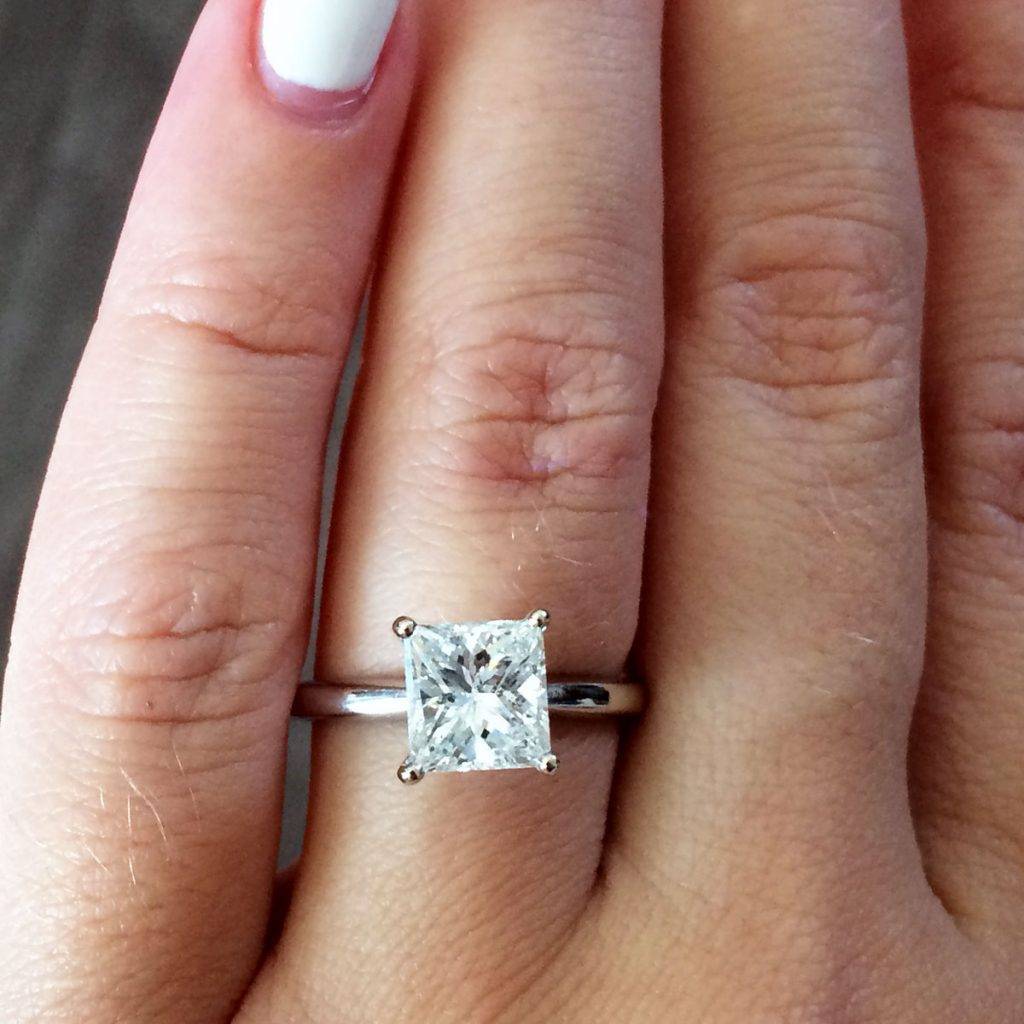
When selecting a diamond, one of the most pertinent considerations is the cut, which profoundly influences not only the aesthetic appeal of the stone but also its perceived size. The term “cut” refers to the diamond’s proportions, symmetry, and polish, which together determine how light interacts with the gem, consequently affecting its brilliance and overall appearance. This article elaborates on various diamond cuts, discussing which ones appear larger than their carat weight might suggest, thereby helping prospective buyers make informed decisions.
To begin deciphering the relationship between cut and perceived size, it is essential to recognize the common types of diamond cuts available on the market. The selection ranges from traditional shapes to contemporary designs, each possessing its unique characteristics. Let us explore the most prevalent diamond cuts and analyze their dimensions in terms of visual impact.
Round Brilliant Cut
The Round Brilliant cut is arguably the most classic and popular cut, renowned for its exceptional ability to reflect light. With 58 facets configured strategically, it maximizes brilliance, contributing to a radiant appearance. This cut does not inherently maximize size based on carat; however, its round shape tends to create the illusion of a larger stone. When set in a well-designed mounting with a minimized band, this cut can appear more extensive and more impressive.
Princess Cut
Next, the Princess Cut, characterized by its square shape and sharp corners, is highly esteemed in the realm of modern diamonds. This cut typically yields an exquisite play of light and can appear larger relative to its carat weight. This phenomenon is attributed to its flat table and deep pavilion, allowing for greater light retention and refractive brilliance, which regularly enhances its apparent size. For buyers desiring a contemporary look with splendid sparkle, the Princess Cut is an exemplary choice.
Oval Cut
The Oval cut embodies a blend of elegance and creativity by merging the characteristics of round brilliance with an elongated silhouette. Its longer shape allows for more finger coverage, thereby generating an illusion of a larger stone. The Oval cut’s ability to reflect light efficiently not only enhances its brilliance but also accentuates its perceived size. This cut is ideal for individuals seeking a diamond that is both distinctive and striking.
Marquise Cut
The Marquise cut, with its distinctive boat-like shape, has a unique ability to create an illusion of added length. Its pointed ends extend the contours of the stone, allowing it to appear larger and more commanding. The way light traverses through the Marquise cut enhances its sparkle and charm, further accentuating its visual magnitude. This cut is particularly appealing for buyers who desire a dramatic and elongated appearance, making it a great choice for statement pieces.
Emerald Cut
In contrast to the aforementioned cuts, the Emerald cut presents a more subdued elegance, with its step-cut facets that create a unique hall of mirrors effect. While it may not exhibit the same level of brilliance, the elongated rectangular shape allows it to appear larger than comparable round cuts. Furthermore, the open table of the Emerald cut enables visibility of the diamond’s clarity, often drawing attention away from carat weight. This cut is perfect for those who prioritize transparency and sophistication over maximum sparkle.
Asscher Cut
The Asscher cut comprises a square shape with larger step facets, reminiscent of the Emerald cut but with a deeper pavilion. Its design engages observers with a fascinating play of light that seemingly increases its size, due to both its depth and unique optical properties. The Asscher cut is particularly appealing to connoisseurs of vintage and Art Deco styles, offering a timeless elegance that remains captivating.
Heart Cut
For those seeking a whimsical and romantic aesthetic, the Heart cut presents a delightful option. This shape can create a notable illusion of larger size due to its unique outline and rounded lobes. While it may not possess the same level of brilliance as other cuts, the Heart cut’s symbolism paired with its intriguing form can make an emotional statement, enhancing perceived size more through sentiment than through physical dimensions.
Factors Affecting Perceived Size
Beyond the cut itself, several factors influence the perceived size of a diamond. Setting plays a pivotal role; a well-designed mounting can create an illusion of greater size. For instance, a halo setting flanked by smaller diamonds can enhance the visual impact of the central stone, making it appear larger than its actual size. Furthermore, color and clarity significantly affect how a diamond is perceived. Lighter stones with high clarity may appear larger and more vibrant than darker stones with visible inclusions.
Conclusion
In conclusion, the cut of a diamond is a significant determinant of its visual impact and perceived size. While traditional options like the Round and Princess cuts yield high levels of brilliance, alternative cuts such as the Marquise and Oval can offer distinct illusions of size due to their elongated shapes. When selecting a diamond, consider not only the actual carat weight but also how the specific cut and surrounding factors can enhance the overall appearance of the stone. Understanding these intricacies enables gem enthusiasts to select a diamond that aligns with their aesthetic desires and size expectations.

Leave a comment