

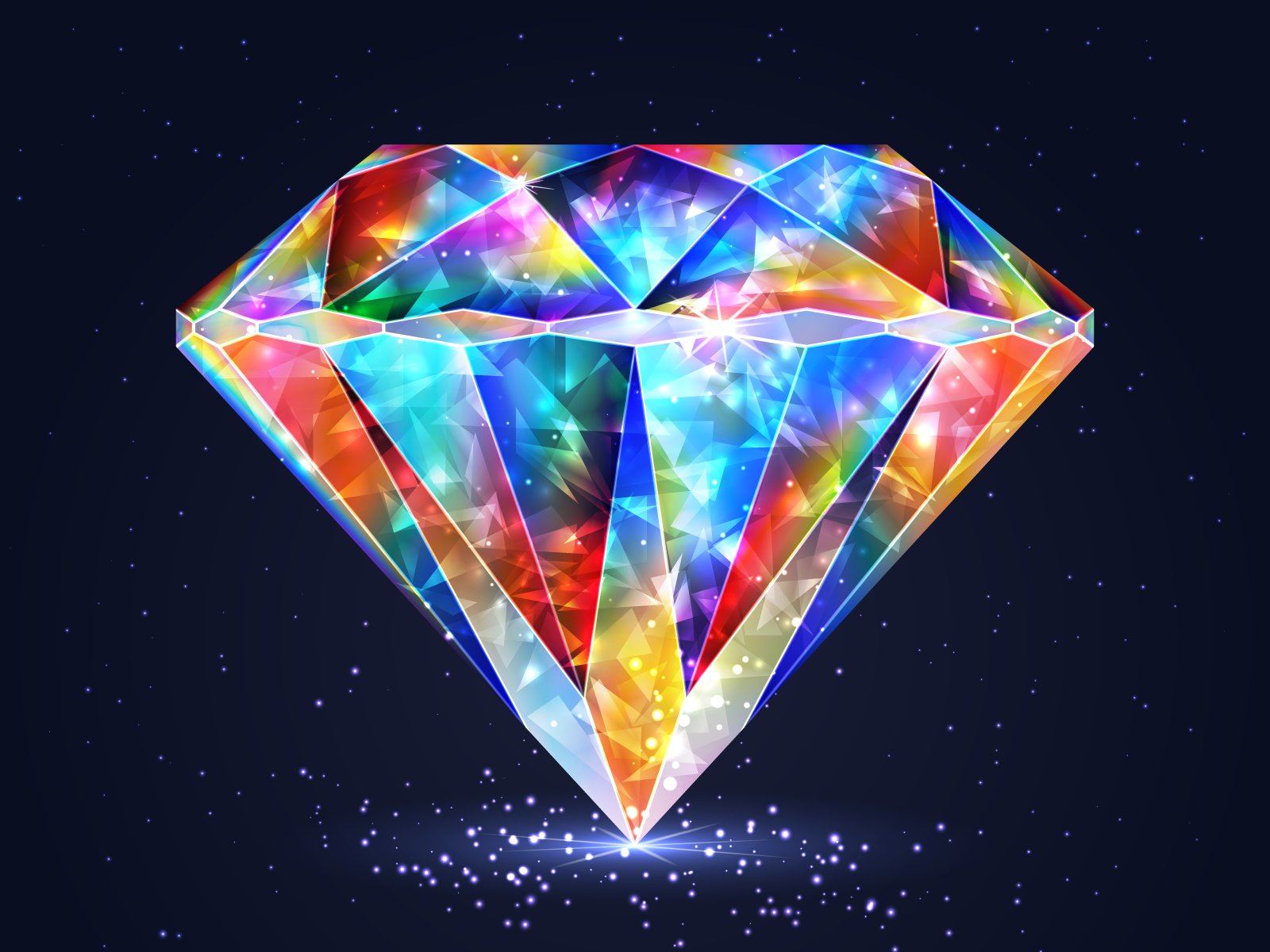
The allure of diamonds extends far beyond their status as mere gemstones; they embody a complex interplay of light, structure, and artistry. Among the myriad factors influencing the brilliance of a diamond, shape stands as a pivotal element shaping not only the visual impact but also the emotional response elicited from admirers. This exploration seeks to elucidate which diamond shape sparkles the most, drawing upon a synergy of physics, geometry, and cultural significance.
First and foremost, it is imperative to acknowledge that the term “sparkle” encapsulates more than just a fleeting twinkle. Sparkle often refers to the scintillation, or the play of light, manifested when a diamond is moved or rotated. Its allure is crafted by the diamond’s cut—how its facets interact with light—and its shape. For example, a round brilliant cut diamond, with its 58 facets, is meticulously engineered to maximize reflection and refraction of light, making it a benchmark against which all other shapes are evaluated.
The round brilliant cut accounts for a substantial percentage of diamond sales worldwide. This ubiquitous choice can be attributed to its unrivaled ability to reflect light, effectively producing an intense brilliance. The specific proportions and angles employed in this shape are ingeniously designed to ensure that light entering the diamond is reflected throughout the interior before exiting, creating a vivid display of sparkle. The arrangement of facets captures and manipulates light effectively, leading to what is often referred to as “fire”—the dispersion of light into the various colors of the spectrum.
Transitioning beyond the commonplace round shape, other configurations merit consideration. The princess cut, renowned for its contemporary appeal, is characterized by its square or rectangular silhouette and a combination of the brilliance of a round diamond with the angularity of a square. With its impressive depth and intricate faceting, the princess cut has ascended rapidly in popularity, offering a strikingly modern alternative to traditional shapes. Its facet arrangement is designed to maximize light return, exhibiting exceptional sparkle, though it may not quite achieve the resplendence of the round brilliant cut.
Yet, the pursuit of sparkle is not confined solely to the realms of industry standards. The radiant cut, with its unique blend of rectangular and square shapes, presents an interesting dichotomy. Invented in the 1970s, this cut features a distinctive arrangement of facets that enhances the stone’s brilliance while simultaneously maximizing its surface area. The radiance emitted from this shape is less about a single point of focus and more an expansive wash of light—which can mesmerize the viewer. Its capacity for light reflection allows for a different kind of sparkle, one that tends toward elegance rather than the overt brilliance typically associated with the round cut.
Examining other shapes provides fascinating insight into the relationship between form and light. The oval cut, embodying a seamless blend of elegance and innovation, tends to elongate the finger while providing substantial visual impact. This cut, much like its round counterpart, boasts a high number of facets, making it capable of remarkable brilliance. However, it often engages light differently, leading to a softer glow compared to the fiery brilliance of round shapes. Yet, many are enraptured by the romanticism associated with its more delicate presentation.
On the flip side, unique shapes, such as the marquise or pear cut, present an interesting conundrum. Their elongated forms create an illusion of size, appearing larger than other cuts of the same carat weight. Although these shapes are visually stimulating, their facet arrangements present a double-edged sword—while they can produce captivating sparkle, they can also lead to what gemologists term “dark areas” or “windows” that compromise overall brilliance. Thus, while the sparkle of these shapes is undeniably gorgeous, it evokes a layered appreciation as the depth of shadow becomes part of their unique charm.
Finally, the cushion cut provides an interesting juxtaposition to modern designs. Famed for its vintage appeal, this substantial cut marries the old-world charm of an antique stone with the reflective facets necessary for sparkle. Its soft, rounded corners and larger facets encourage a gentle reflection not typically associated with sharper facets. The cushion cut may not always capture light with the intensity of its round or princess counterparts, but it compensates with a warm, inviting glow that can evoke a sense of nostalgia and sentiment.
Ultimately, the question of which diamond shape sparkles the most does not yield a singular answer but rather invites a subjective journey through preferences influenced by personal taste, understanding of light, and cultural context. While the round brilliant cut remains the paragon of sparkle due to its engineered perfection, other shapes such as the princess, radiant, and cushion offer distinct visual experiences. Appreciating the intricate nuances of each shape—its brilliance, fire, and scintillation—expands our understanding of what makes a diamond captivating. This fascination, as much rooted in physics and geometry as in history and emotion, ensures that each shape tells a unique story, illuminating the diverse world of diamonds and their untold potential for enchantment.

Leave a comment