

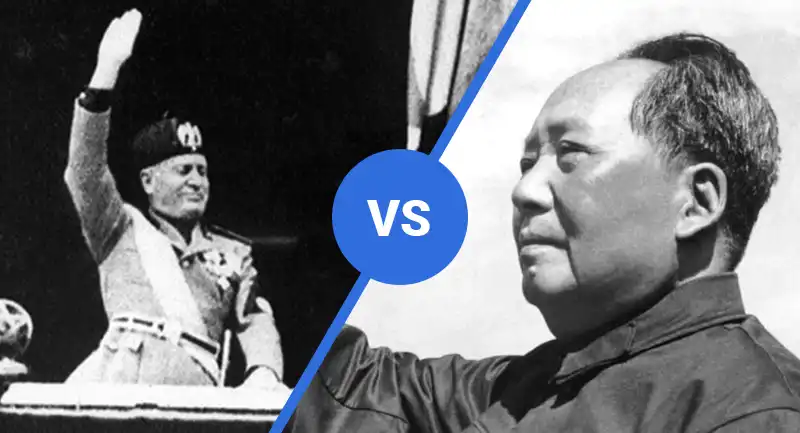
In the arena of historical analysis, the figure of the dictator evokes a complex tapestry of emotions and interpretations. Dictators often embody the extreme facets of leadership, wielding power with an iron fist while simultaneously captivating the psyches of their followers. Consequently, the inquiry “Which dictator are you?” serves not only as an engaging personality test but also as a reflective vessel prompting introspection on one’s individual traits, values, and ambitions. This exploration traverses the intersection of human psychology and political archetypes, inviting a nuanced investigation into the characteristics that inform our understanding of authoritarian leadership.
Anatomy of the Dictator Archetype
To embark on this analytical voyage, we must first elucidate the archetypes of dictators. Historical figures such as Joseph Stalin, Adolf Hitler, and Mao Zedong emerge as archetypal embodiments of various traits associated with dictators, each wielding power in unique contexts. The nuances of their leadership styles underpin the spectrum of possibilities encapsulated in the concept of tyranny.
A dictator can be classified broadly based on specific attributes, including charismatic authority, authoritarian control, and strategic manipulation of societal norms. Charismatic dictators, such as Fidel Castro, often possess an innate ability to galvanize the masses, leveraging their magnetic personas to cultivate fervent loyalty. In contrast, authoritarian figures, like Kim Jong-un, utilize coercion and repression to maintain their grip on power, instilling a pervasive climate of fear. Meanwhile, others may embody a duality, skillfully oscillating between manipulation and benevolence, as seen in leaders who implement populist policies to placate the electorate while consolidating control.
Self-Reflection Through Dictatorial Traits
The assessment of one’s own dictatorial inclinations may appear frivolous at first glance, yet it provides a provocative framework for self-examination. Engaging with this concept necessitates a dive into the psychographical components that define various dictator personas.
Consider the traits linked with the totalitarian leader: an unyielding ambition, unflinching resolve, and a predilection for control. These qualities may resonate with individuals who navigate the complexities of leadership in their own professional or personal lives. Conversely, one might identify more closely with the benevolent dictator—a figure who, despite wielding power, remains intrinsically committed to the welfare of their constituents. This identification evokes moral dilemmas that challenge one’s ethical compass and promote critical reflection on leadership’s pragmatic versus idealistic dimensions.
The Role of Historical Context
While analyzing individual traits provides a robust foundation, it is imperative to contextualize these characteristics within broader historical frameworks. The landscape in which a dictator operates significantly influences their approach to leadership. The tumultuous socio-political climates of the early 20th century, characterized by war, economic upheaval, and social unrest, provided fertile ground for the ascension of authoritarian figures.
As participants engage with the question of which dictator they resemble, they must consider the implications of their situational contexts. Would they act out of sheer pragmatism like Oliver Cromwell during the English Civil War, or would they seek to initiate radical social change as leaders such as Che Guevara envisioned? This interplay between individual traits and historical context fosters a deeper understanding of the multilayered nature of authority.
Analyzing Leadership Styles
Through the lens of leadership styles, one can discern further divisions among dictator archetypes. Leadership can be coercive, charismatic, and pragmatic, each encapsulating unique methodologies for governance. Coercive leaders invoke fear as a mechanism for control; they often prioritize loyalty above all else, demonstrating an unwavering intolerance for dissent. Such traits resonate with individuals who may view authority as a necessary prerequisite for order—a viewpoint steeped in historical justification yet fraught with ethical paradoxes.
Conversely, charismatic leaders exploit the emotional resonance of their public personas. They create cults of personality, positioning themselves as indispensable to national identity. This leads one to ponder: do you seek validation through external accolades, or do you fundamentally believe in a transformative vision for your community? By evaluating shortcomings and virtues within these paradigms, a profound self-realization emerges.
Conclusion: The Reflective Journey
Ultimately, the inquiry “Which dictator are you?” transcends mere novelty; it endeavors to catalyze profound introspection about power, authority, and personal ambition. Dictatorship as a concept remains a poignant reminder of the dichotomies present within human governance—benevolence versus malevolence, charisma versus coercion, vision versus authoritarianism.
As participants navigate through the complexities of this self-assessment, the seismic shifts in perspective realized may resonate beyond the realm of historical dictators. Ultimately, the exercise serves as a clarion call urging individuals to reflect upon their values, aspirations, and the intricate landscape of human leadership. In doing so, one may uncover not just the dictator within, but also the potential for ethical and transformative leadership that prioritizes human dignity above all else.

Leave a comment