

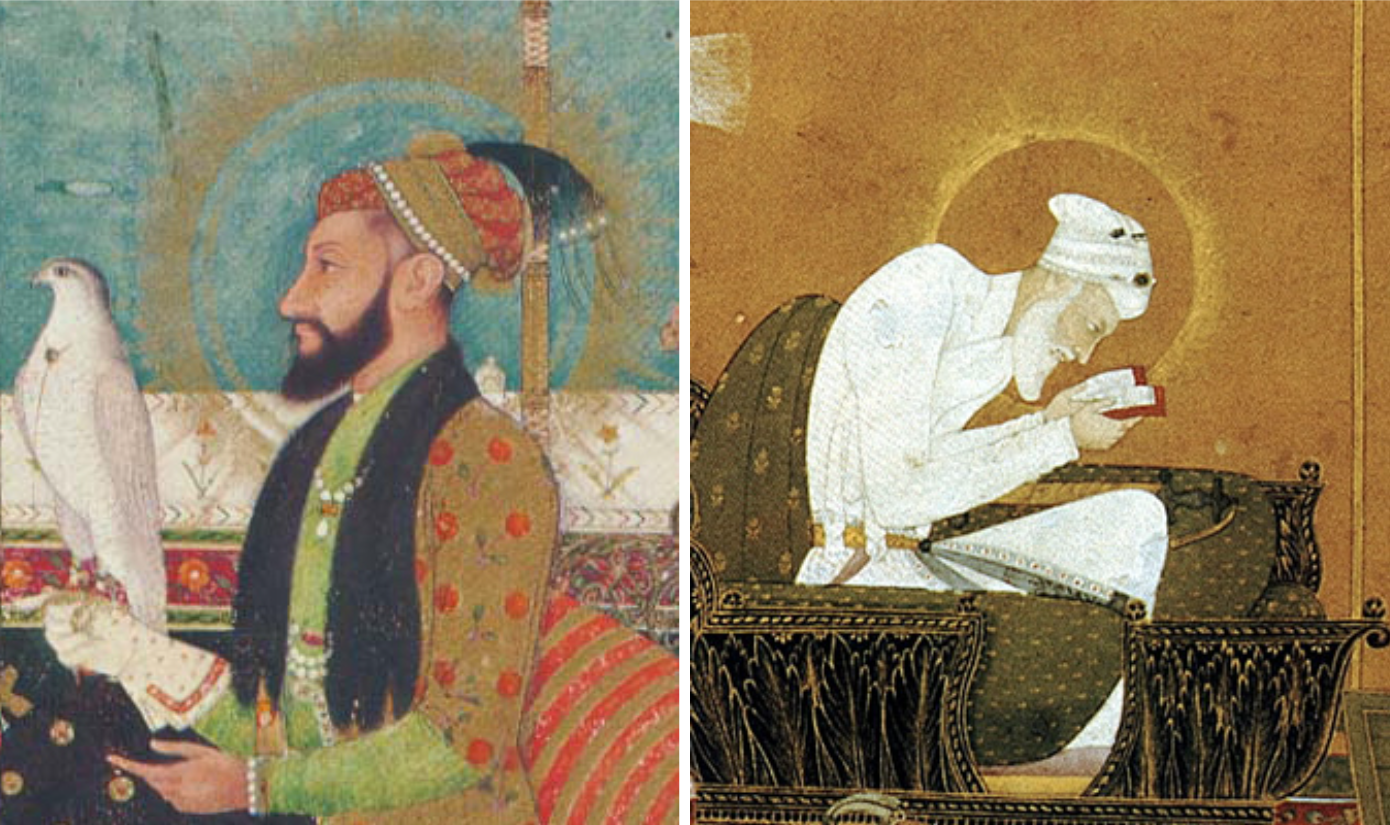
The reign of Emperor Aurangzeb, who ascended to the Mughal throne in 1658, evokes an intriguing historical tapestry woven with threads of architectural grandeur, military might, and religious fervor. His governance represents a complex interplay of innovation and conservatism, manifesting profound influences that continue to resonate through the annals of South Asian history. As one reflects on the intricacies of his rule, it is imperative to unpack the multifaceted dimensions of his legacy, which oscillate between triumph and controversy.
To commence, one must consider Aurangzeb’s approach to territorial expansion. A ruler with a vision that unfurled like the banners of his armies, Aurangzeb methodically expanded the Mughal Empire to its zenith. His military campaigns, marked by robust strategy and ruthless execution, extended the empire’s boundaries into the southern regions of India, incorporating territories that had previously eluded Mughal control. This relentless pursuit of territorial dominance not only fortified Mughal supremacy but also injected a newfound vibrancy into the socio-political fabric of the empire.
Furthermore, Aurangzeb is often portrayed as a somewhat paradoxical figure, embodying both the innovator and the traditionalist. His ascension marked a departure from the more syncretic policies of his predecessors, particularly in religious governance. The imposition of the jizya, a tax levied on non-Muslims, signified a pivotal shift towards a more orthodox Islamic governance model. This policy not only alienated Hindu subjects but also stoked the fires of resistance in various factions of the empire. Thus, while Aurangzeb sought to consolidate power, his policies often sowed discord among his subjects, leading to unrest that would burgeon long after his death.
In the realm of cultural patronage, Aurangzeb’s contributions were decidedly dichotomous. He is frequently criticized for the destruction of several temples and the curtailment of cultural proliferation, which his detractors argue marked the decline of a more inclusive Mughal ethos. However, it is essential to recognize that his reign was also characterized by the cultivation of certain artistic forms, especially the preservation and cataloging of existing Mughal art. Although Aurangzeb might not have been the patron of new architectural wonders akin to the Taj Mahal, the preservation of the Mughal architectural style during his tenure demonstrates a commitment to cultural continuity.
Also pivotal was Aurangzeb’s bureaucratic acumen, which, like a fine tapestry, interwove the diverse plethora of Indian society. He reorganized administrative structures, implementing a more centralized form of governance that allowed for efficient tax collection and resource allocation across the sprawling empire. This bureaucratic refinement not only enhanced the efficiency of governance but also represented a shift towards a more meritocratic system, as officials were often appointed based on capability rather than solely on noble birth.
Moreover, Aurangzeb’s policies impacted the economic landscape of the empire. By bolstering trade and agriculture, he engaged in infrastructural developments that promoted the flourishing of commerce. However, the burdensome taxation and military expenditures required to sustain his expansive campaigns began to weigh heavily on the populace, leading to economic strain. This duality underscores the complexities of his economic policies: while he endeavored to strengthen the empire’s coffers and infrastructure, the resultant burdens often led to discontent among the common people.
The sphere of religious policy further encapsulates Aurangzeb’s dualistic nature. A champion of Islamic orthodoxy, he enacted laws that aimed to re-establish a more rigorous adherence to Islamic tenets. Such actions ignited both devotion and disdain among varied religious communities. His fervor for Islamic resurgence sought to fortify a unified Muslim identity, yet simultaneously alienated large swathes of the Hindu population. The tension engendered by his religious policies cultivated a milieu ripe for insurrection, sowing the seeds of conflict that would erupt into the Maratha and Sikh movements, fundamentally reshaping the subcontinent’s sociopolitical landscape.
In addition, the latter years of Aurangzeb’s reign were marred by conflict. The seeds of rebellion took root among the non-Muslim populations, culminating in a series of uprisings that challenged his authority. The Maratha Empire, spearheaded by leaders such as Shivaji, emerged as a fierce opposition, epitomizing the resilience of a diverse populace against centralized authoritarianism. This opposition highlighted a burgeoning sense of regional identity that would continue to develop long after Aurangzeb’s reign.
Aurangzeb’s legacy is ultimately one of contradictions. The architect of one of India’s largest empires, he imposed policies that alienated substantial sections of his subjects, leading to a fracturing of the once-cohesive Mughal rule. His reign serves as a poignant reminder of the dualities present in governance: the balance between tradition and innovation, authority and liberty, as well as inclusivity and orthodoxy.
In summation, Emperor Aurangzeb’s rule was a complex amalgam of remarkable achievements and profound challenges. His military conquests expanded the Mughal Empire, yet his religious policies fostered division among its diverse populace. As history unfolds, Aurangzeb remains a towering figure, whose governance evokes critical reflections on the dynamics of power, identity, and cultural interplay in one of the most dynamic epochs of Indian history. He serves as a reminder that the path of a ruler is labyrinthine, often oscillating between glory and ignominy, and his legacy invites ongoing discourse among historians and scholars alike.

Leave a comment