

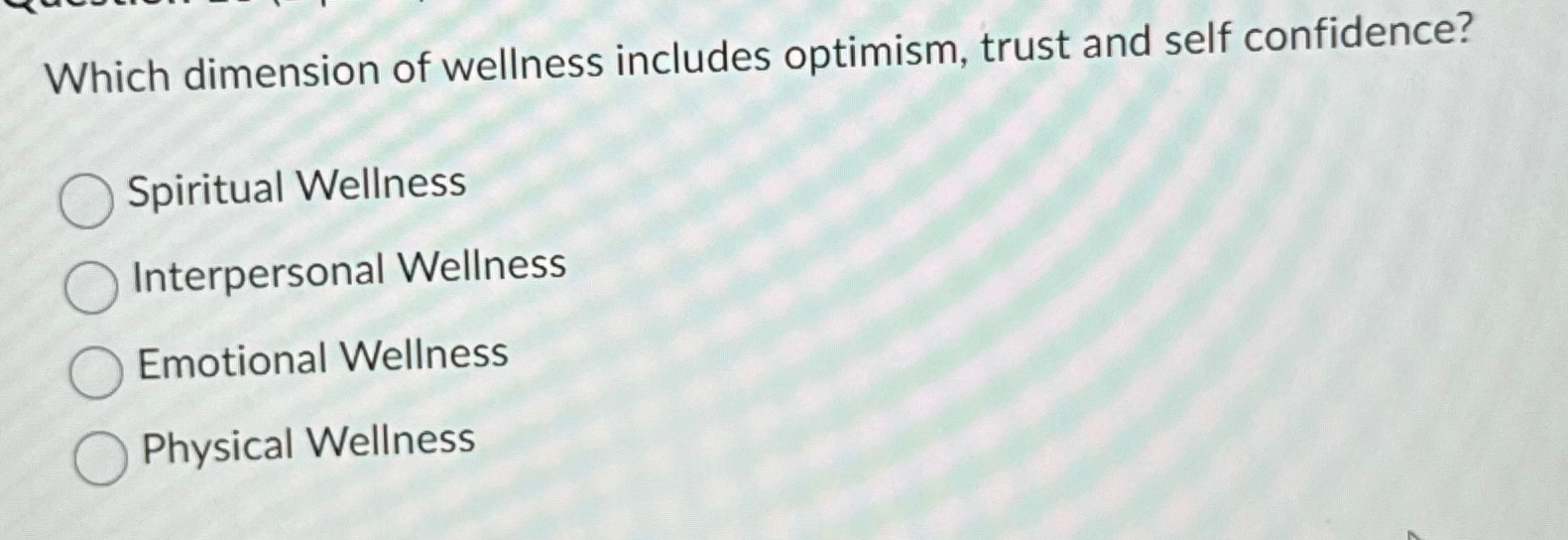
In an age replete with uncertainties, let us ponder an enticing question: What if the key to navigating life’s labyrinthine complexities hinges not solely on knowledge or material wealth, but rather on intangible virtues such as optimism, trust, and self-confidence? These attributes beckon us into the realm of emotional wellness—a fundamental dimension that plays a pivotal role in our overall health. As we delve into the intricate tapestry of emotional wellness, we uncover a profound connection to our everyday experiences and decision-making processes.
Emotional wellness embodies the ability to understand, manage, and express our emotions sensitively and productively. It concerns not only our perception of the world but also how we interact with it. This dimension of wellness serves as a bedrock for personal growth and development, as it enables us to navigate challenges with resilience. When one embraces optimism, trust, and self-confidence, they construct a formidable foundation upon which a fulfilling and balanced life can be built.
The Role of Optimism in Emotional Wellness
Optimism is the lens through which we view our circumstances, shaping our beliefs about the future. It is more than mere wishful thinking; it is a deeply embedded attitude that fosters hope and inspires action. When individuals cultivate an optimistic outlook, they are more likely to tackle challenges head-on, envisioning positive outcomes rather than succumbing to despair.
The psychological implications of optimism are vast. Studies suggest that optimistic individuals experience lower levels of stress and anxiety. They exhibit greater resilience in the face of setbacks, viewing obstacles as temporary rather than insurmountable. Furthermore, optimism enhances our willingness to take calculated risks—a necessity in both personal and professional realms. As we embrace this buoyant outlook, we inherently enhance our emotional wellness and resilience.
The Significance of Trust
Trust, both in oneself and in others, is another critical element of emotional wellness. Self-trust enables individuals to make decisions with confidence, fostering a sense of agency that is vital for emotional stability. It allows us to navigate our internal compass, championing beliefs and values that resonate with our true selves.
Moreover, trust in others cultivates connections that are essential for emotional well-being. Interpersonal relationships enrich our lives, providing emotional support and validation. However, developing trust is not always a straightforward endeavor. It requires vulnerability and the willingness to be open, which can feel daunting. Nevertheless, forging these connections fosters a supportive network that contributes significantly to our emotional wellness.
The Impact of Self-Confidence
Self-confidence encompasses the belief in one’s abilities and judgments. It is a corollary of both optimism and trust, forming a triad that epitomizes emotional wellness. When individuals possess self-confidence, they engage in challenges with a proactive mindset, unafraid of failure. This intrinsic assurance allows for exploration and growth, propelling individuals towards their goals.
The ramifications of self-confidence extend beyond individual circumstances. When self-assured individuals pursue goals vigorously, they often inspire those around them. The efficacy of collaboration flourishes when individuals buoyed by confidence come together, fostering an environment rich in innovation and creativity. This ripple effect underscores the interconnected nature of emotional wellness and community engagement.
Challenges to Emotional Wellness
Despite the immense benefits associated with these qualities, it is crucial to acknowledge the obstacles that can impede our progress towards emotional wellness. Societal pressures, self-doubt, and fear of vulnerability can stifle optimism and breed cynicism. The contemporary world, often characterized by rapid change and unpredictability, may exacerbate these feelings, leading individuals to retreat into their shells.
Recognizing these challenges is the first step towards overcoming them. To foster a sense of optimism, individuals can engage in practices such as gratitude journaling, mindfulness, or seeking professional support—all of which are conducive to transforming a skeptical worldview into one colored by hope. Trust-building exercises, whether with oneself or with others, can enhance interpersonal connections and reinforce an optimistic outlook.
Cultivating Emotional Wellness
Given the integral role that optimism, trust, and self-confidence play in underpinning emotional wellness, it is imperative to cultivate these virtues actively. One effective approach is to engage in self-reflection, examining personal beliefs and challenging negative thought patterns. This process not only enhances self-awareness but also paves the way for personal growth.
Further, surrounding oneself with positive influences can bolster emotional wellness. Whether through friends, mentors, or supportive communities, the social fabric we weave significantly impacts our outlook on life. Engaging in supportive dialogues and nurturing compassionate relationships can reinforce trust and self-confidence, providing a fertile ground for optimism to flourish.
Conclusion
In conclusion, the dimensions of wellness are deeply intertwined, each one influencing the other in subtle yet profound ways. Optimism, trust, and self-confidence emerge as crucial pillars of emotional wellness, fostering resilience and enhancing personal growth. By actively cultivating these attributes, individuals can not only improve their emotional health but also inspire those around them. As we strive to embrace these qualities, the challenge lies in persevering through adversity and continuously nurturing our emotional landscape. Indeed, the journey toward emotional wellness is not merely a pursuit; it is an ongoing commitment to living life with authenticity, courage, and hope.

Leave a comment