

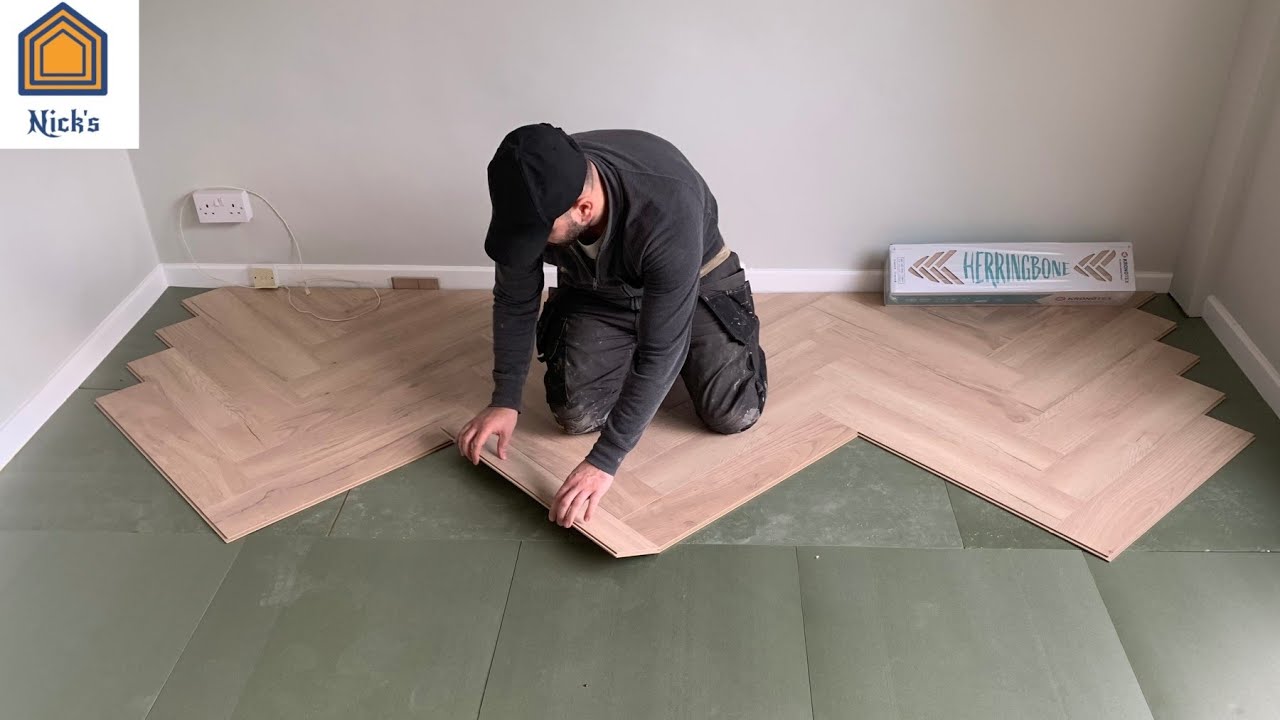
When contemplating the installation of herringbone flooring, a perplexing question arises: which direction should one lay the planks? The herringbone pattern, characterized by its distinctive zigzag design, imbues a space with sophistication and dynamism. Nevertheless, the orientation of the pattern plays a pivotal role in determining the aesthetic and spatial perception of a room. This article aims to elucidate the various considerations to bear in mind when deciding on the direction of herringbone flooring.
Firstly, it is essential to acknowledge the fundamental principles of design and spatial dynamics. The direction of the herringbone pattern can significantly influence the perceived size and shape of a room. For instance, laying the planks parallel to the longest wall can create an illusion of length, thereby elongating a narrow space. Conversely, orienting the planks perpendicular to the longest wall offers a more grounded, stable appearance. Such considerations highlight the importance of assessing the room’s dimensions comprehensively before committing to a specific direction.
Moreover, the prevailing source of natural light in a room is another paramount consideration. Natural light enhances the visual attributes of flooring, and strategic orientation can accentuate this effect. Employing a direction that aligns with the light source can amplify reflections and shadows, thereby enriching the visual texture. For instance, when sunlight streams in from a particular side, laying the herringbone planks to follow that trajectory may create a captivating interplay between light and the flooring surface, invoking a sense of depth and vibrancy.
In addition, the architectural features and layout of the room should inform the decision-making process. The presence of structural elements such as columns, beams, or odd niches can dictate the optimal direction for the herringbone pattern. Laying the flooring to complement these features can foster a sense of harmony within the space. For example, running the planks towards an architectural focal point, like a fireplace or a grand window, can draw attention and create a cohesive narrative throughout the room.
Another significant factor to consider is the overall decor and style of the space. Herringbone flooring can seamlessly integrate with various design aesthetics, from modern minimalism to classic elegance. The direction of the pattern can either reinforce or contrast with existing elements in the room. In contemporary settings, a diagonal layout may inject an element of dynamism, while a traditional orientation could evoke a timeless elegance. It is imperative to envision how the chosen direction interacts with furniture arrangements, wall art, and other stylistic nuances to forge a harmonious aesthetic.
Additionally, the choice of wood type and grain should influence the layout decision. Different types of wood exhibit distinct grain patterns and colors, which can interplay diversely when arranged in a herringbone formation. For instance, a darker wood may assume a more pronounced character when laid in a certain direction, while lighter woods may tend to expand visual space. It is wise to conduct samples and trials in uncontrolled light settings to ascertain how the chosen direction interacts with light and shadow over time.
Furthermore, the historical significance of herringbone flooring cannot be overlooked. This pattern has been employed throughout centuries, offering a narrative that transcends time and style. Origination from ancient Roman mosaics, herringbone has evolved into a hallmark of luxurious interiors. Understanding this lineage can inspire one to consider the direction not merely as a functional choice but as a statement that resonates with tradition and craftsmanship.
Beyond aesthetics, the practicalities of installation also bear weight. The direction in which the flooring is laid can influence labor intensity and material waste. Parallel orientations often yield a more straightforward installation, requiring less cutting and adjusting, while diagonal patterns may necessitate meticulous calculations to minimize wastage. Therefore, practical considerations should be weighed alongside artistic desires to arrive at a decision that is both beautiful and efficient.
An often-overlooked element is the ambient feel of the space. The way a room is experienced can be altered dramatically based on the direction of the flooring. For instance, a herringbone layout that leads inwards towards an entryway may evoke an inviting charm, while a layout that directs towards a window can amplify feelings of openness and lightness. Understanding the emotional undertones that flooring direction can instill adds depth to the decision-making process.
To summarize, the direction in which to lay herringbone flooring encompasses a multitude of considerations that transcend mere preference. From the spatial implications to the interplay of light and structural elements, each decision weighs heavily on the overall aesthetic and ambiance of the space. By synthesizing these varying aspects, one can achieve a well-rounded understanding of how best to approach herringbone flooring installation. Ultimately, whether seeking to elongate, stabilize, or invigorate a room, the right direction will reflect the innate character and style of the surroundings while celebrating the enduring elegance of the herringbone pattern.

Leave a comment