

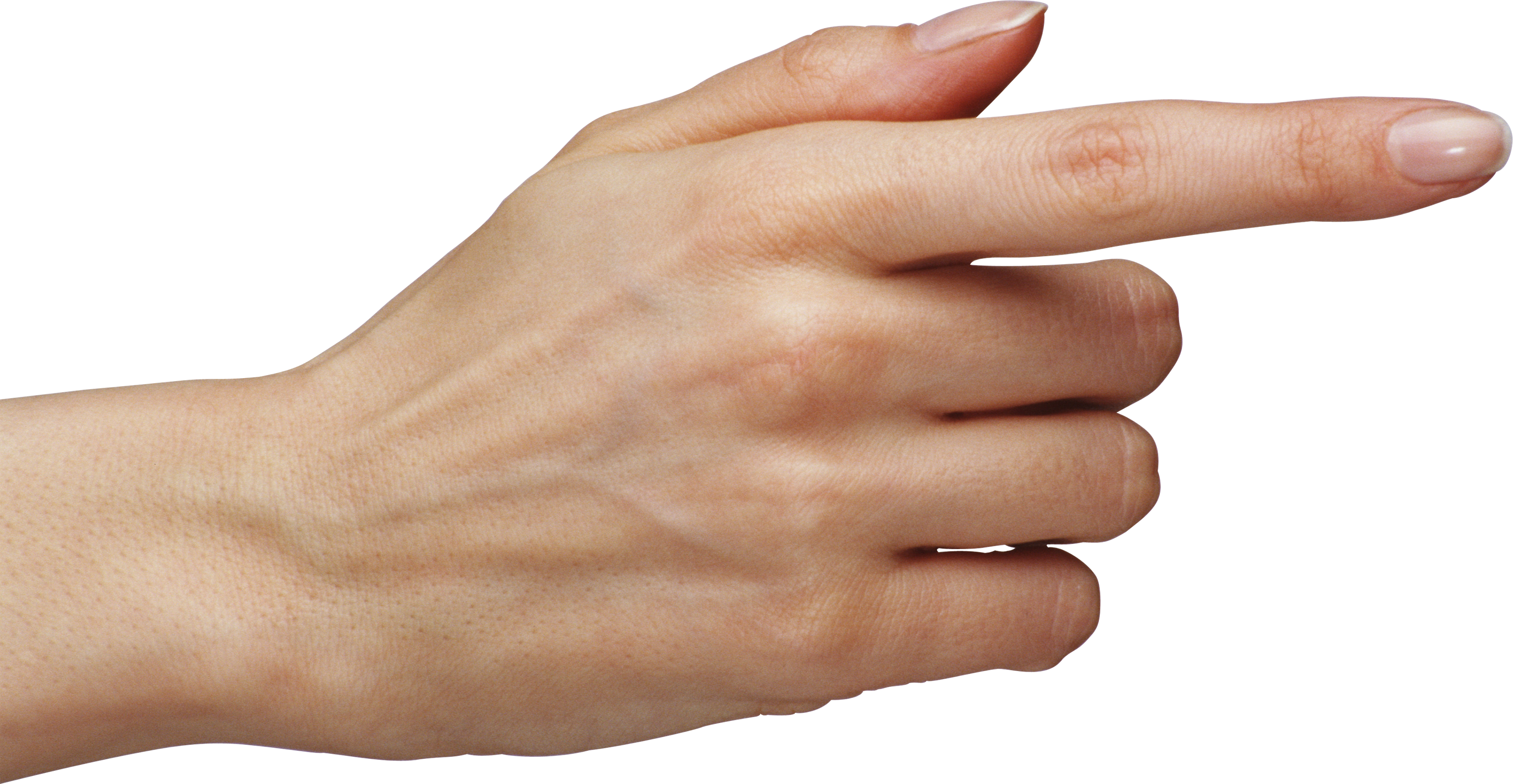
Constipation is a common gastrointestinal complaint that can lead to discomfort and distress. The physical, as well as mental implications of this condition, can make even the simplest tasks feel like Herculean challenges. One might even jestingly ponder, “Which finger do you press for constipation?” As playful as this inquiry may seem, the answer delves into the realm of both alternative therapy and traditional practices, unravelling a narrative rich with physiological nuances.
The human body is a remarkable entity with intricacies that often baffle us. One such domain is reflexology, which postulates that different areas of the body correspond to particular internal organs. Reflexologists advocate that by stimulating these areas—often depicted on the foot or hand corresponding to specific bodily functions—one can alleviate various ailments, including constipation. The question arises: could a mere finger’s touch become a beacon of relief?
To embark on this exploration, we must comprehend the anatomy involved in the mechanism of constipation. Primarily, constipation manifests when the bowel movements become infrequent or difficult, typically defined as fewer than three movements per week. Factors such as diet, hydration, and stress contribute significantly to this condition. Understanding these aspects serves as a bedrock before delving into remedies, including potential reflexology techniques.
Engaging with reflexology, the thumb emerges as a pivotal player. Known colloquially as the ‘master digit,’ the thumb is often the nexus for stimulation across various therapeutic practices. Reflexologists suggest that applying pressure, particularly to the fleshy area at the base of the thumb, may generate a cascading effect throughout the digestive tract. This technique posits that pressure points correlate directly with the colon’s function, thereby enhancing bowel movement. The delicate art of pressing the thumb in a circular motion or applying steady, gentle pressure could be an enlightening remedy worth investigating.
Nevertheless, the thumb isn’t the solitary champion. The index finger, too, has engendered considerable interest within reflexological circles. The fleshy pad of the index finger harbors pressure points that supposedly correspond to the intestines. Advocates of this method esteem that by stimulating this area, one might coax the peristalsis of the intestines to act more harmoniously. It becomes a balancing act; when the index finger is employed in unison with the thumb, a synergy might unfold, facilitating greater gastrointestinal ease.
Do you feel curious about the position of your hand? One must consider the angle and placements of the fingers while exerting pressure. Each increment of approach assists in tilting the balance toward relief. Resting comfortably, you might find solace in gently curling the fingers around your thumb, simultaneously pressing the pads against one another. This elegant posture might allow for profound exploration of pressure points, where each digit plays a role akin to instruments in an orchestral arrangement aimed at digestive harmony.
Among practitioners of traditional Chinese medicine, the concept of Chi, or life force energy, adds another layer to this discussion. The flow of Chi through meridians can be obstructed during bouts of constipation. By engaging in reflexology that utilizes specific fingers, one could unlock these energetic pathways. The middle finger, often overlooked, may serve as a conduit for alleviating stagnancy within the digestive system. Appropriately channeling energy through this finger can regenerate function and restore equilibrium.
As we traverse this landscape, it is imperative to remember that bioindividuality plays a crucial role in how remedies affect each individual. While some may find immediate relief through reflexology, others may require a multifaceted approach that combines dietary changes, hydration, and physical activity. It is also essential to note that severe cases may necessitate medical intervention. Therefore, it is prudent to remain wary and consult a healthcare professional when embarking on a treatment journey.
Reflecting on techniques, the act of pressure is only a fraction of the remedy. Engaging with your body through yoga poses specifically designed to alleviate constipation could amplify the effects of finger pressure. Poses such as the Seated Forward Bend or the Wind-Relieving Pose invigorate the body’s digestive process and facilitate movement in the intestines. These asanas can serve as complementary practices alongside reflexology, forming a holistic approach to digestive health.
Furthermore, one might embrace the significance of mindful breathing while applying pressure to certain fingers. The interplay of breath and touch enables a heightened sense of awareness, augmenting the efficacy of the practices. Inhale the promise of relief, and exhale the tension that shrouds your digestive system. This simple yet profound practice can enhance the overall experience when attempting to navigate through constipation’s challenges.
In conclusion, while there is no definitive answer to the whimsical query, “Which finger do you press for constipation?” it invites a deeper dialogue about the body’s interconnectedness and the numerous approaches available for relief. The thumb and index finger indeed emerge as contenders in this debate, yet it’s essential to champion a comprehensive strategy that resonates with your unique physiology. The path toward gastrointestinal health is intricate and personal, blended with patience, experimentation, and, dare we say, a touch of humor.

Leave a comment