

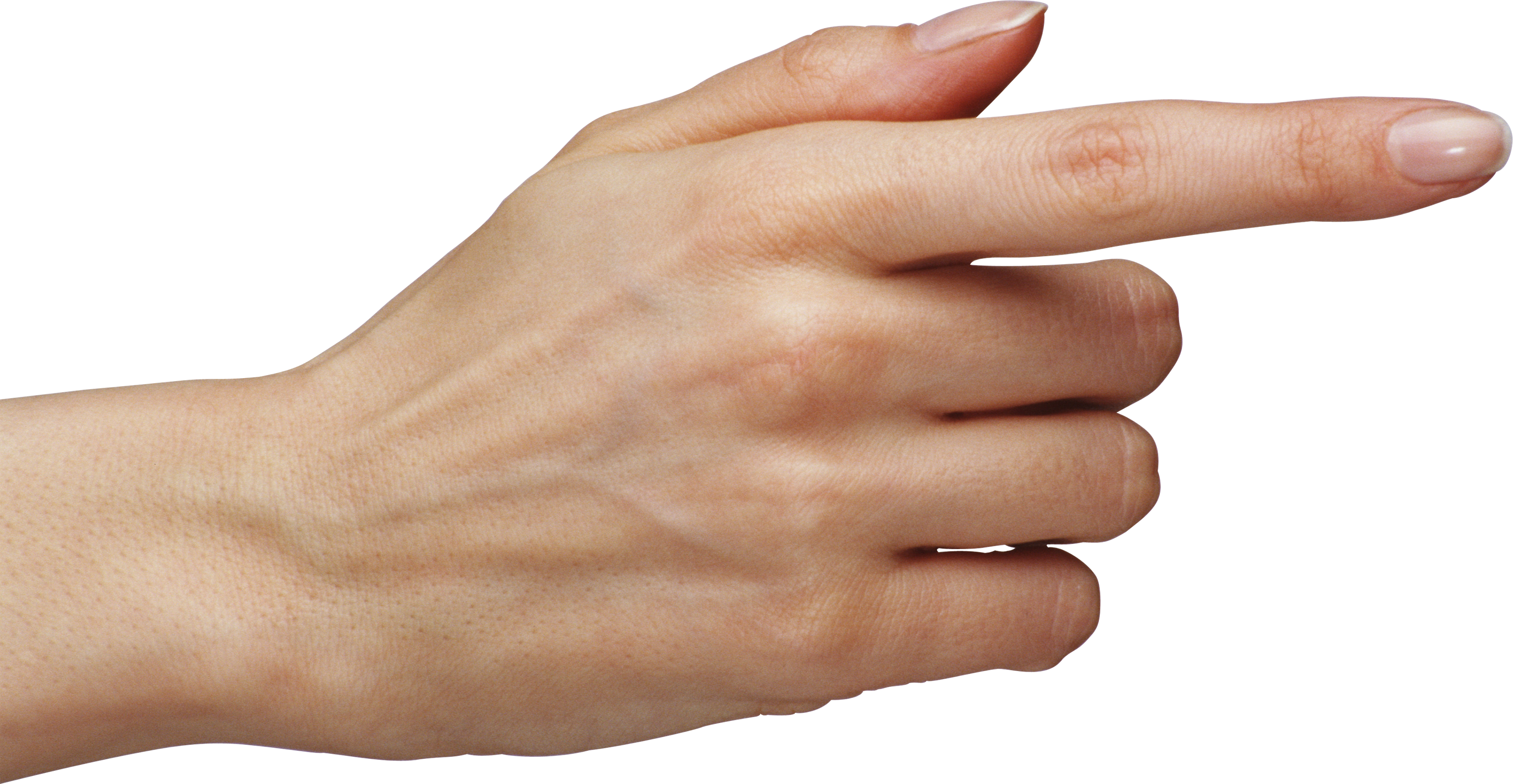
The concept of a promise ring, an emblem of commitment and fidelity, carries with it deep-seated emotional resonance and cultural significance. Yet, when considering the intricacies of wearing such a ring, one pivotal question arises: “Which finger is appropriate for a promise ring?” Understanding the answer to this inquiry necessitates a multifaceted exploration of tradition, symbolism, and personal preferences.
Historically, the symbolism surrounding rings has varied across cultures and epochs. Rings have long been associated with love, loyalty, and devotion. In contemporary society, promise rings serve as a precursor to more profound commitments, often exchanged between couples as a testament to their vows, whether they pertain to monogamy, mutual support, or the intention to marry in the future.
The significance of the finger on which a promise ring is worn cannot be understated. Typically, promise rings are most commonly worn on the fourth finger of the left hand—the same finger traditionally designated for engagement and wedding rings. This custom is rooted in the belief that the fourth finger hosts the vena amoris, or the “vein of love,” which is said to directly connect to the heart. Wearing a promise ring on this finger therefore not only visually associates the ring with romantic love but also imbues it with a deeper emotional connection.
That said, the promise ring transcends mere tradition; it is also infused with personal significance. Couples may opt to disregard conventional practices, choosing instead to wear the ring on another finger that better reflects their individual style, comfort, or the unique nature of their relationship. It is essential to consider that the finger you choose to adorn with a promise ring can reflect your personal journey and the values of the relationship.
For those who prefer to deviate from the norm, wearing a promise ring on the right hand is also an admirable choice. This option sends a clear message that, while the promise ring symbolizes devotion, it stands as a commitment that is not bounded by the societal expectations of engagement or marriage. The right hand often signifies personal autonomy and independence, making it a compelling choice for couples who value their individuality while simultaneously affirming their bond.
Additionally, certain individuals may opt to wear their promise rings on the middle finger, which can represent balance and responsibility. Choosing this finger can symbolize the harmonious interplay between one’s commitments to their partner and their personal aspirations. This notion emphasizes the importance of nurturing both the relationship and the self, acknowledging that devotion to another does not necessitate the relinquishment of one’s own identity.
Furthermore, cultural variations play an influential role in determining which finger is most appropriate for a promise ring. In some cultures, promise rings may be worn on different fingers altogether or may be exchanged as necklaces rather than rings. Such practices illuminate the rich tapestry of rituals surrounding love and commitment, showcasing how individuals might creatively honor their pledges while remaining in tune with their heritage.
As one contemplates the physicality of a promise ring, the selection of the type of ring can significantly enhance its emotional weight. A promise ring should encapsulate shared experiences, be distinctively personal, and remain thoughtfully chosen. The style—be it simple and understated or ornate and eye-catching—can further communicate intentions. Some couples might select matching rings, a tangible representation of their unity, whereas others may prefer distinct designs that meld together their personalities while still resonating with the significance of their promise.
The act of wearing a promise ring is, in essence, a declaration that calls for thoughtful introspection. It invites individuals to reflect on what they covenant to one another and what the future promises hold. Whether the ring adorns the left hand, right hand, or adorns another part of the body altogether, it should evoke a sense of belonging, consciousness, and a shared journey.
Finally, the choice of finger can serve as a conversation starter. In a world where commitments are often transient, the presence of a promise ring can elicit curiosity and engage others in dialogue about love, relationships, and personal values. Each finger carries its own narrative, and by wearing a promise ring, individuals can craft their story, inviting others to participate in an exploration of what it means to pledge oneself faithfully.
In conclusion, the question of which finger is appropriate for a promise ring does not have a single definitive answer. Whether worn on the left hand as a traditional symbol of love, on the right hand as a statement of independence, or any other finger that speaks to one’s identity, the act of wearing a promise ring encapsulates an array of emotions and beliefs. Each ring, regardless of its physical placement, forms part of a multidimensional tapestry woven from love, hope, and unwavering commitment. Ultimately, it is a personal decision that merits reflection and conversation, echoing a promise that transcends mere materiality to embody the authenticity of human connection.

Leave a comment