

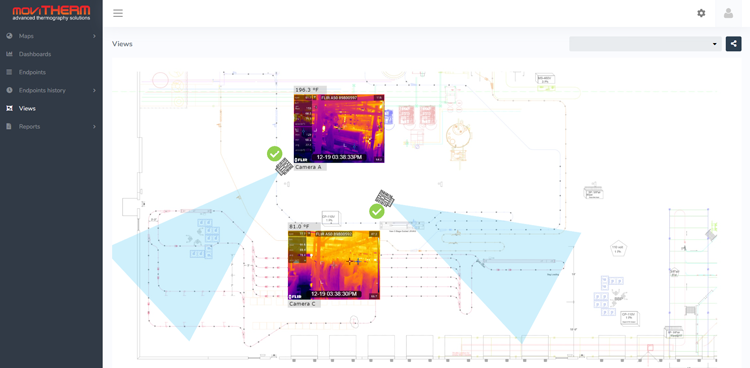
When considering the purchase of a fire detection system for your property, myriad factors must be evaluated to ensure optimal protection. Fire detection systems serve as an essential line of defense, alerting occupants to the dangers of fire and enabling prompt emergency responses. This guide is designed to illuminate the various types of fire detection systems available, elucidating their distinct features, advantages, and potential considerations.
One of the primary distinctions among fire detection systems lies in their methodology for identifying smoke, heat, or flames. These systems are broadly classified into three categories: ionization smoke detectors, photoelectric smoke detectors, and heat detectors. Each type possesses unique attributes that cater to different environments and requirements.
Ionization Smoke Detectors
Ionization smoke detectors are adept at sensing fast-flaming fires that rapidly produce small combustion particles. Utilizing a small amount of radioactive material, these devices detect changes in ionization levels caused by smoke. This type of detection is particularly efficient in environments where flammable materials are stored, such as laboratories or workshops. However, ionization detectors may be prone to false alarms due to sensitivity to common household activities, such as cooking.
Photoelectric Smoke Detectors
In contrast, photoelectric smoke detectors excel in identifying smoldering fires that generate larger smoke particles. These devices employ a light source and a photodetector; when smoke enters the sensing chamber, it scatters the light beam, triggering an alarm. Their proficiency in discerning slow-burning fires makes them particularly suitable for residential areas, especially in rooms that often contain soft furnishings, such as living rooms or bedrooms. While reliable, they may be less responsive to fast-flaming fires than their ionization counterparts.
Heat Detectors
Heat detectors, as the name implies, focus on temperature changes rather than smoke. They are categorized as either fixed-temperature or rate-of-rise detectors. Fixed-temperature detectors activate when the ambient temperature exceeds a predetermined threshold. On the other hand, rate-of-rise detectors trigger an alarm when they detect a rapid temperature increase, typically indicative of fire. These detectors prove invaluable in environments where smoke detectors may yield false alarms, such as kitchens or dusty industrial settings.
Beyond these foundational styles of fire detection, the terminology expands to encompass several other options, including combination detectors, aspirating systems, and smart alarms.
Combination Detectors
As an amalgamation of technologies, combination smoke detectors integrate ionization and photoelectric sensing capabilities. This dual functionality allows for a broader spectrum of fire detection, responding effectively to both fast-flaming and smoldering fires. Utilizing a combination detector may provide peace of mind to homeowners due to its comprehensive protective measure; however, potential users should consider the device’s placement and sensitivity settings to mitigate false alarms.
Aspirating Systems
Aspirating smoke detection systems, commonly found in high-value asset protection locales, employ a network of pipes to draw air samples back to a detection chamber. This configuration allows for extremely early detection and is particularly useful in environments with unique challenges, such as data centers or archives. Although sophisticated and effective, aspirating systems typically necessitate professional installation and may entail higher maintenance costs.
Smart Alarms
The advent of technology has ushered in the era of smart fire alarms. These devices feature connectivity to home automation systems, enabling remote notifications via smartphones, as well as integration with other safety devices like sprinkler systems. This modern innovation caters to tech-savvy homeowners, offering enhanced functionality. However, it is crucial to evaluate the reliability of the connectivity and the potential need for ongoing tech support.
In considering options, it is equally vital to assess the operational environment of the fire detection system. Factors such as room usage, presence of pets, and typical environmental conditions can impact alarm performance. For instance, placing detectors near kitchens or bathrooms may lead to inadvertent activations due to humidity or cooking smoke. Thus, strategic placement cannot be overstated when configuring a fire detection system.
Another critical aspect involves the certification and standards adherence of the fire detection system. Choosing devices that comply with national standards, such as those set forth by the Underwriters Laboratories (UL) or the National Fire Protection Association (NFPA), ensures a baseline quality and reliability in performance. Always verify that the product documentation specifies compliance with these standards.
Maintenance is a further consideration in the longevity and functionality of fire detection systems. Regular inspections, testing of detectors, and battery replacements are essential practices that enhance reliability. Schedule periodic maintenance checks and adhere to any manufacturer recommendations to ensure the system remains in optimal condition over time.
In summation, selecting a fire detection system for your property is a multifaceted decision shaped by various factors, including detector type, environmental considerations, technological integration, relevant certifications, and maintenance protocols. Thorough research and deliberation will pave the way for safeguarding your living or working space against the alarming consequences of fire. An informed choice today promises a secure tomorrow, underscoring the imperative of investing in robust fire detection capabilities.

Leave a comment