

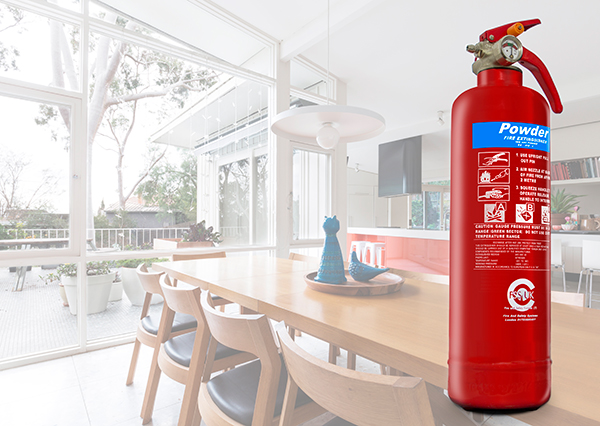
When it comes to equipping a kitchen for safety, selecting the appropriate fire extinguisher is more than just a precaution; it is a necessity deeply rooted in understanding both the common sources of kitchen fires and the classifications of fire extinguishers. As culinary artistry occupies an esteemed place in many households, the underlying threat posed by kitchen fires serves as a stark reminder of the importance of safety measures amid the passion for cooking.
The kitchen is often deemed the heart of the home. From the sizzle of a skillet to the aromatic symphony of spices, it embodies creativity and nourishment. However, this fervor can quickly turn into chaos when culinary experiments veer awry. Grease, electrical equipment, and flammable materials permeate this space, rendering it uniquely susceptible to fire hazards. Therefore, comprehending the types of fire extinguishers suited for kitchen environments is paramount.
Understanding Kitchen Fires
To establish a foundation for the discussion surrounding suitable fire extinguishers, one must first comprehend the common types of kitchen fires. The National Fire Protection Association (NFPA) reports that cooking equipment is the leading cause of home fires. A multitude of factors can contribute to these incidents:
- Grease Fires: Often instigated by cooking oils and fats, these fires can explode if water is applied. The volatility of these materials renders them particularly dangerous.
- Electrical Fires: With the myriad of appliances utilized in modern kitchens, malfunctioning electrical devices can spark fires unexpectedly.
- Combustibles: Towels, paper goods, and wooden utensils left near heat sources pose an outright risk of ignition, particularly in frenetic cooking environments.
Each type of fire not only presents unique challenges but also necessitates distinct methods of suppression. Hence, selecting the correct fire extinguisher becomes an integral aspect of kitchen safety strategy.
Fire Extinguisher Classes and Their Relevance
Fire extinguishers are categorized into different classes based on the nature of the material involved in the fire. Understanding these classifications is integral for informed decision-making regarding kitchen safety equipment.
- Class A: Designed for ordinary combustibles such as wood, paper, and fabric.
- Class B: Targeting flammable liquids like oils and greases, this class is particularly relevant for kitchens where grease fires are a primary concern.
- Class C: Suitable for fires involving electrical equipment, particularly those stemming from malfunctioning appliances.
- Class K: A niche category intended for kitchen use, Class K extinguishers are specifically formulated for combating fires fueled by cooking oils and greases.
Given the diversity of potential fire hazards in kitchens, it is invariably wise to incorporate elements from multiple classes into your fire safety arsenal.
Recommended Fire Extinguishers for Kitchen Use
In light of the classifications detailed, several fire extinguisher models emerge as exemplary choices for kitchen environments:
- ABC Dry Chemical Extinguisher: This versatile extinguisher encompasses Class A, B, and C fires, making it a multifaceted option for the average kitchen. It discharges a dry chemical that suppresses flames and is effective against a wide array of fire types.
- K Class Wet Chemical Extinguisher: Specifically engineered for combating grease fires, this extinguisher employs a unique agent that cools and emulsifies burning oils while forming a barrier to prevent re-ignition. This makes it the frontrunner for kitchens that frequently utilize frying methods.
- CO2 Extinguisher: While more often associated with commercial settings, a CO2 extinguisher can adeptly handle Class B and C fires without leaving residue. Its efficacy against electrical fires makes it a wise consideration, particularly in kitchens laden with electronic devices.
Installation and Maintenance Guidelines
Once the suitable fire extinguisher has been selected, proper installation and maintenance become pivotal. Positioning the extinguisher within easy reach, ideally mounted near the exit of the kitchen and away from potential fire sources, facilitates a swift response in emergencies. Regular inspections are essential; extinguishers should be checked for accessibility, pressure, and physical condition. Moreover, periodic professional servicing ensures readiness should an emergency arise.
Education and Training
While possessing a fire extinguisher is crucial, knowledge of how to use it effectively is equally important. Education and training on the PASS technique—Pull, Aim, Squeeze, Sweep—empower individuals to act decisively during a fire incident. Familiarity with fire safety protocols, combined with hands-on practice, fosters confidence and ensures that potential threats can be mitigated swiftly.
Conclusion
In conclusion, the kitchen, a bastion of culinary creativity, comes with an inherent risk of fire that necessitates vigilant safety measures. By understanding the various types of kitchen fires, the classifications of fire extinguishers, and the specific models best suited to mitigate these hazards, individuals can cultivate a safer cooking environment. Ensuring the installation, maintenance, and knowledge of effective use draws a formidable line of defense against the unpredictable nature of fire. A well-equipped and educated kitchen truly embodies the spirit of safety—allowing the culinary explorer to focus on creativity rather than concern.

Leave a comment