

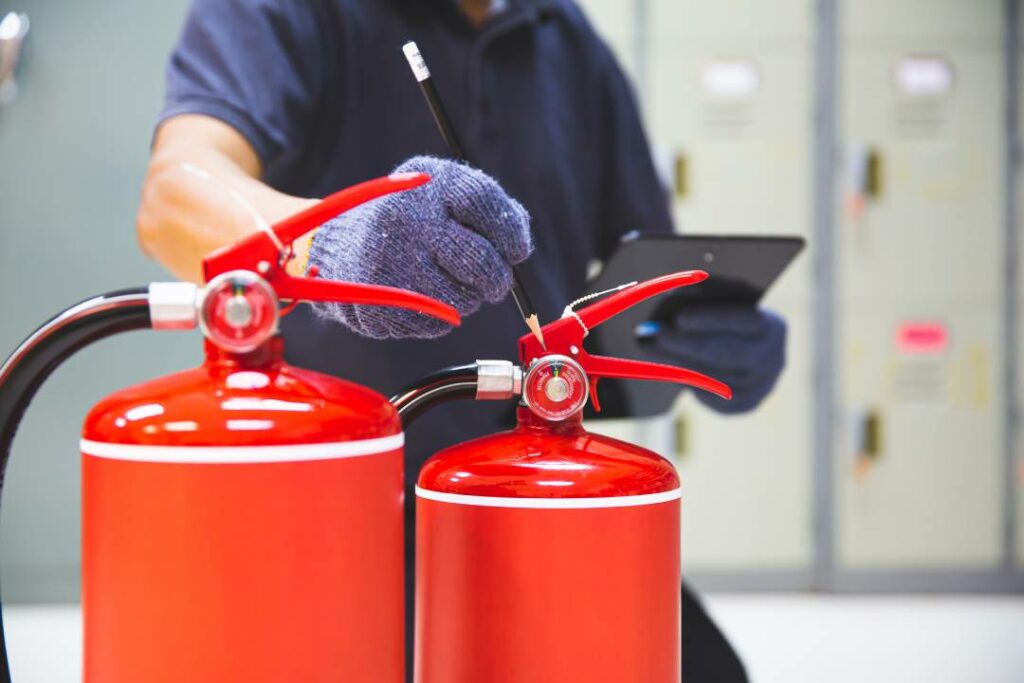
When it comes to combating fires, knowledge of the various types of fire extinguishers is indispensable. This is especially pertinent in environments that involve electrical equipment, where the risk of electrical fires is prevalent. Understanding which fire extinguisher to use for electrical fires can mean the difference between saving lives and property versus facing catastrophic consequences. Among the myriad options available in the market, certain extinguishers stand out for their efficacy against electrical fires. The two primary types of extinguishers that serve this purpose are Class C extinguishers and certain multipurpose extinguishers that include Class C functionality.
To begin with, it is crucial to understand the nature of electrical fires. Such fires typically arise from short circuits, overloaded circuits, or malfunctioning electrical devices. When water or substances that conduct electricity are employed to extinguish these fires, the risk of electrocution and exacerbation of the fire increases exponentially. Therefore, it becomes imperative to select a fire extinguisher that is specifically designed for use on electrical fires.
Class C fire extinguishers are engineered precisely for this task. They are filled with non-conductive materials, specifically designed to safely extinguish fires that are fueled by electrical equipment. The active agents in these extinguishers often include carbon dioxide (CO2) and dry chemical agents, including sodium bicarbonate or monoammonium phosphate. Carbon dioxide not only extinguishes the fire by displacing oxygen in the vicinity but does so without leaving behind any residue that could potentially damage sensitive electrical equipment.
Additionally, some fire extinguishers may be classified as multipurpose, specifically those labeled as Class A, B, and C. These versatile extinguishers can effectively combat fires involving ordinary combustibles, flammable liquids, and electrical equipment. They are particularly advantageous in environments where multiple fire hazards are present, such as workshops or laboratories. It is essential to ensure that any extinguisher selected for electrical fires prominently displays its Class C designation, thus assuring the user of its suitability for extinguishing electrical fires.
In a more academic sense, the occurrence of electrical fires necessitates a thorough understanding of the fire triangle: heat, fuel, and oxygen. By eliminating one of these components, a fire can be extinguished. In the context of electrical fires, employing the right extinguishing agent can effectively eliminate the heat and fuel components, thereby disrupting the fire triangle. Moreover, the psychological implications surrounding a fire can exacerbate the danger; individuals may panic when faced with an electrical fire, leading to rash decisions. Therefore, accessibility to the correct fire extinguishers combined with appropriate training is paramount.
Furthermore, manufacturers of fire extinguishers are keenly aware of the need for clear labeling and user-friendly designs. Emergency preparedness is a vital aspect of fire safety protocols. Yet, despite the best intentions, many individuals remain tragically unaware of how to properly operate a fire extinguisher or which types are suited for various fire categories. Education campaigns and hands-on training sessions can provide the societal shift necessary to enhance preparedness and minimize damage in case of a fire.
Moreover, one must consider the periodic maintenance of fire extinguishers. It is not enough to simply purchase the correct type; regular checks to ensure that the extinguisher is functional, charged, and accessible are crucial. This involves checking the pressure gauge, inspecting for physical damage, and ensuring that the extinguisher is unencumbered by obstructions. Failure to perform these checks can render an extinguisher useless when it is most needed.
In commercial settings, compliance with National Fire Protection Association (NFPA) standards can guide organizations in selecting appropriate fire extinguishers. Understanding the strategic placement of these units can also enhance safety protocols—situating them within easy reach of electrical equipment while maintaining visibility can make a significant difference in emergency situations. Regular fire drills and training programs can prepare personnel to respond efficiently and effectively, thus cementing a culture of safety.
In conclusion, the selection of an appropriate fire extinguisher for electrical fires is a paramount consideration in fire safety. Class C extinguishers, particularly those employing non-conductive agents like carbon dioxide or specialized dry chemicals, are well-suited for this purpose. Incorporating these extinguishers into broader fire safety protocols, along with regular training and maintenance, creates a resilient framework for tackling potential electrical fires. The interplay between knowledge, preparedness, and appropriate response mechanisms lays the groundwork for a safer environment. As technology evolves and electrical systems become increasingly complex, the necessity for understanding and utilizing effective fire extinguishing methods remains a vital discourse in fire safety management.

Leave a comment