

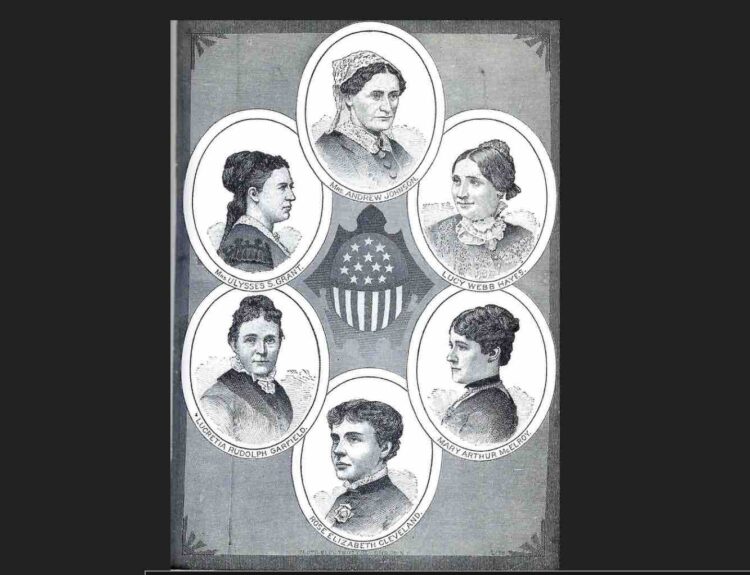
Throughout history, numerous first ladies have graced the White House, each possessing a multitude of significant achievements. One particular first lady stands out for her remarkable contribution to education—both for her husband and for the nation. The inquiry, “Which First Lady taught her husband how to read?” naturally leads us to an exploration of Dolley Madison, an emblematic figure who played a pivotal role in the early 19th century.
Dolley Madison, born in 1768, is often remembered for her contributions as the wife of James Madison, the fourth President of the United States. Her influence extended far beyond her role in the domestic sphere; it permeated the political landscape of a nascent nation. Amidst her many accomplishments, Dolley’s most profound achievement may lie in her role as an educator, particularly in instilling the ability to read in her husband, who was initially challenged in this domain.
Delving into the essence of Dolley Madison’s life, one must first appreciate her educational background and its influence on her later endeavors. Raised in a prominent Quaker family in Pennsylvania, education was a critical component of her upbringing. Following the societal conventions of the time, Dolley acquired literacy skills early on, enabling her to navigate her way through life with finesse. However, it was not merely her own education that would define her legacy.
Dolley’s marriage to James Madison in 1794 marked the commencement of a partnership that would significantly shape American history. However, the relationship was fraught with its challenges. Early in their marriage, Dolley recognized that James, despite his intellectual prowess and political acumen, struggled with reading. As a woman of considerable patience and understanding, she took it upon herself to nurture his literacy skills.
This endeavor was emblematic of Dolley’s broader philosophy on education and empowerment. Dolley employed a nurturing method that engaged James in a variety of literary conversations. She would read aloud to him, discussing texts that ranged from politics to literature, thereby fostering not just his ability to read, but also encouraging critical thinking and discourse. The depth of their discussions reflected a partnership built on mutual respect and a shared desire for growth.
The dynamic between Dolley and James was not merely that of a traditional marriage; it can be characterized as a collaborative venture. While James was formidably well-versed in governance and political theory, Dolley’s educational influence was indispensable in expanding his intellectual horizons. As she guided him through the written word, she simultaneously laid the groundwork for the educational revolution that would follow in her legacy.
One can only imagine the impact this revelation had on not just their marriage, but also the broader context of societal expectations of the time. In an era when societal norms confined women largely to domestic roles, Dolley’s proactive approach to education and literacy challenged these conventions. She was a pioneer, subtly shifting perceptions about women’s capabilities and the importance of education, both in public and private spheres.
Dolley Madison’s influence on her husband’s literacy is a poignant reminder of the role of education in forging not only personal relationships but also national governance. As James Madison took on the presidency, the lessons learned from his wife undoubtedly informed his policy decisions and leadership style. The literacy skills she helped instill were vital during his presidency, particularly during times of crisis such as the War of 1812. A literate leader is better equipped to navigate complex political landscapes, allowing Madison to effectively articulate his vision and policy directives.
In the context of American history, Dolley Madison represents more than just a first lady; she symbolizes the transformative power of education. The legacy of her influence extends to her commitment to literacy and civic duty. She demonstrated that education serves as the cornerstone of democracy, empowerment, and progress. Through her deliberate actions, she set a precedent for future first ladies, encouraging them to embrace roles that extend beyond societal expectations.
Dolley’s enduring legacy is reflected in the annals of American history, where her contributions to her husband’s education are oftentimes overshadowed by her more widely recognized endeavors, such as her role in socializing the political elite of her time. However, it is crucial to recognize that her personal efforts in teaching literacy to James Madison had a profound and lasting impact that reverberated through the generations.
In conclusion, Dolley Madison not only taught her husband how to read but also exemplified the indelible connection between education and leadership. Her life and legacy evoke a reconsideration of the frameworks within which we view historical figures, particularly women. As society continues to navigate the complexities of education and empowerment, Dolley’s story serves as a beacon, encouraging future generations to prioritize literacy as a vital component of personal and societal development.

Leave a comment