

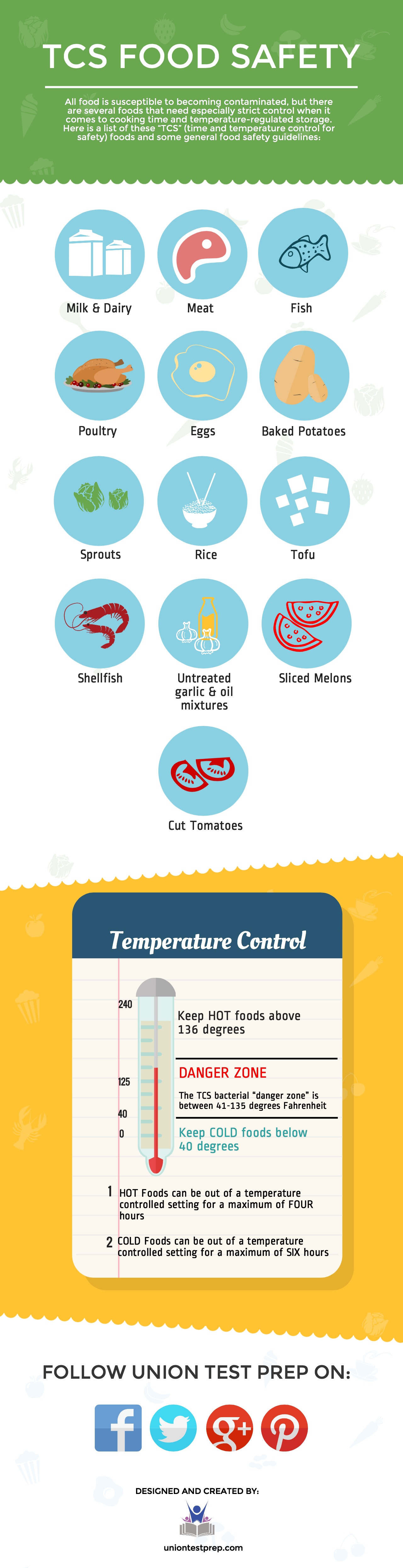
In the realm of food safety, understanding the classification of foods is paramount. The term TCS food, which stands for Time/Temperature Control for Safety food, refers to those items that require stringent temperature control to inhibit microbial growth and ensure consumer safety. This classification is an essential component of ServSafe guidelines, particularly for food industry professionals. Herein, we will explore in detail the variety of items classified as TCS foods, elucidating their significance, characteristics, and examples.
To begin with, TCS foods are defined by their intrinsic properties that allow pathogens to thrive when not properly managed. These foods typically possess moisture content, pH levels above 4.6, and are rich in nutrients, which make them conducive to bacterial growth. The crux of the challenge with TCS foods rests in their susceptibility to temperature variations that can lead to foodborne illnesses.
One major category of TCS foods is protein-based items. This broad classification encompasses:
- Meat: All forms of meat, including beef, pork, lamb, and poultry, are classified as TCS foods. These products must be cooked to specific internal temperatures and maintained within safe temperature ranges during storage and service to effectively neutralize harmful bacteria such as Salmonella and E. coli.
- Fish and Shellfish: Fish, both finfish and shellfish, fall under the TCS category due to their high protein and moisture content, necessitating careful handling. For instance, raw oysters can be particularly perilous if not cultivated, transported, and stored in regulated conditions.
- Eggs and Egg Products: Eggs, whether in their shell or processed into liquid forms, require significant caution as well. With the risk of Salmonella enteritidis associated with the consumption of raw or undercooked eggs, maintaining appropriate temperature control is critical.
An equally significant category of TCS foods is dairy products. Dairy products are well-known for their nutritional value, but they are likewise prime candidates for microbial contamination. Key dairy products that are considered TCS include:
- Milk: Both whole and skim milk must be pasteurized to eliminate pathogenic microorganisms, and they should be stored at temperatures below 40°F (4°C) to prevent spoilage and the growth of harmful bacteria.
- Cream and Soft Cheeses: Unaged soft cheeses, like cream cheese and ricotta, possess moisture levels conducive to bacterial proliferation. Strict adherence to temperature guidelines is required to ensure their safety for consumption.
- Yogurt: Although generally considered safe due to live cultures, yogurt must still be kept out of the temperature danger zone to prevent the growth of unwanted bacteria.
Fruits and vegetables also enter the TCS food conversation, especially when they are not processed or prepared correctly. These items can harbor pathogens, particularly when they are stored improperly:
- Cooked Vegetables: While raw vegetables typically have a lower risk, cooked vegetables, especially those that are creamy or contain protein-rich sauces, fall under the TCS category and necessitate careful temperature control.
- Cut Melons and Tomatoes: Fresh cut produce such as cantaloupe, watermelon, and diced tomatoes, as well as salads containing these ingredients, are susceptible to pathogens post-cutting, potentially leading to foodborne illnesses.
In addition to the aforementioned categories, certain prepared foods also demand vigilant temperature control:
- Cooked Grains: Products like rice and pasta, when cooked and left at improper temperatures, can facilitate the growth of Bacillus cereus. To mitigate risks, these should be cooled promptly and stored at appropriate temperatures.
- Stuffing and Sauces: Foods containing meat or dairy products like stuffing, gravies, and cream sauces must be kept within safe temperature thresholds to avoid bacterial growth.
Moreover, one cannot overlook the role of TCS foods in the preparation of combinations, where mixing ingredients may elevate food safety concerns. Items combining TCS components must be monitored diligently when it comes to time and temperature management. Examples include:
- Lasagna and Casseroles: These multi-layered dishes, containing protein, dairy, and vegetables, can pose significant risks if left out at room temperature for prolonged periods.
- Sandwiches and Wraps: Combinations of deli meats, cheese, and condiments require careful handling to prevent the growth of listeria and other pathogens.
Ultimately, recognizing the types of TCS foods and their management is essential for anyone involved in food preparation and service. The overarching principle is that TCS foods must constantly be maintained at safe temperatures, adhering to guidelines established by food safety authorities. Proper training and education in the ServSafe program can equip food handlers with the necessary knowledge to understand the potential hazards and implement effective food safety practices.
In conclusion, TCS foods encompass a diverse array of items, from meats and dairy to fruits, vegetables, and prepared dishes. Each category presents its own unique challenges regarding food safety. By understanding these classifications and their associated risks, food service professionals can greatly reduce the likelihood of foodborne illnesses, fostering a safer dining experience for consumers.

Leave a comment