

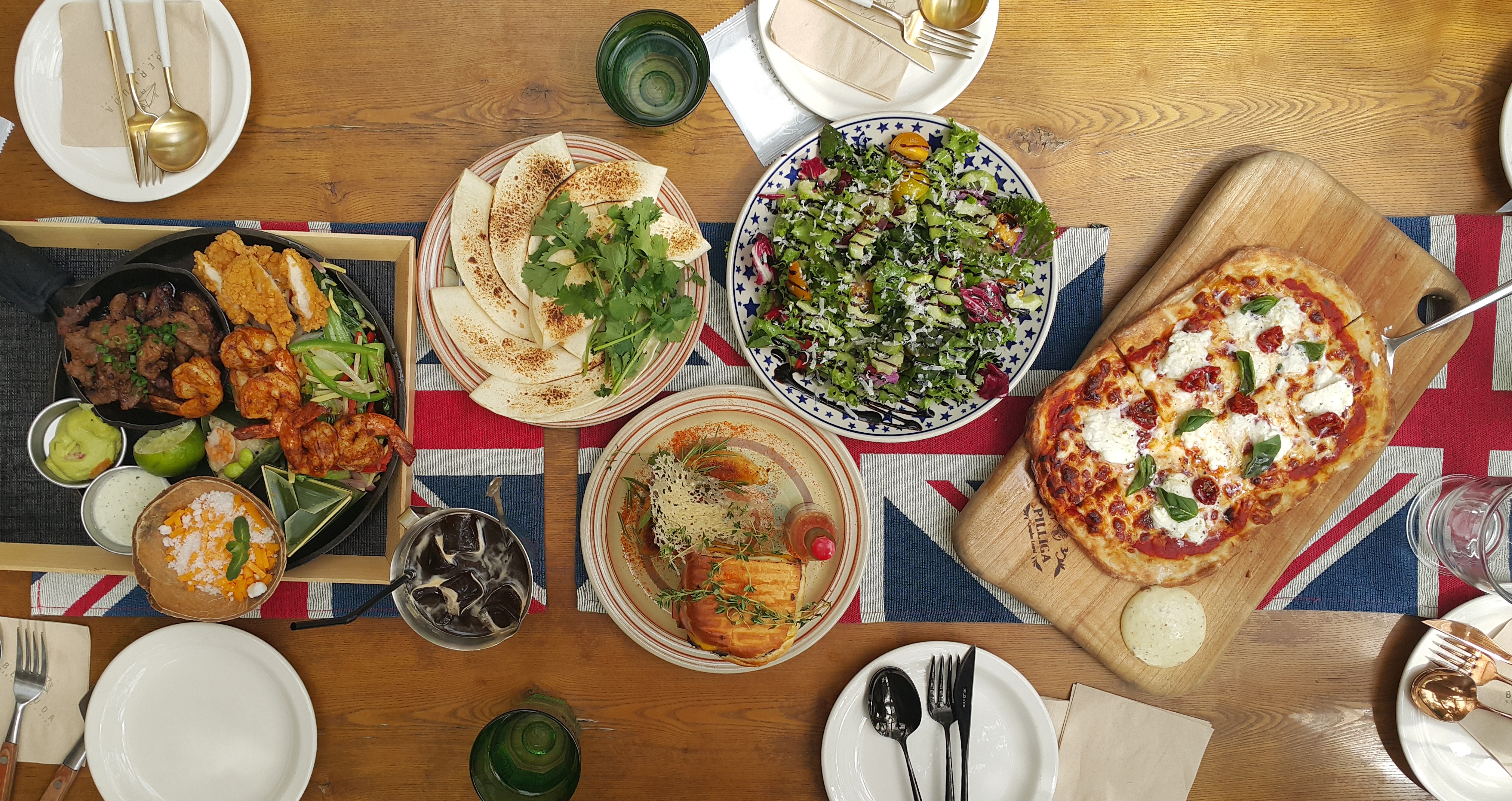
Understanding the category of foods recognized as TCS (Time/Temperature Control for Safety) foods is pivotal for anyone involved in food service, safety, or culinary arts. TCS foods are those that require particular consideration to prevent the proliferation of foodborne pathogens, ensuring that what we consume is not only palatable but also safe. This article delves into the complexities of TCS foods, exploring their characteristics, examples, and significance in both home kitchens and professional establishments.
To grasp the essence of TCS foods, one must first comprehend the underlying principles that govern food safety. Microorganisms such as bacteria, mold, and yeast thrive in certain environments. Warmth, moisture, and nutrients stimulate their growth. Hence, TCS foods typically fall within the danger zone of temperatures between 41°F and 135°F (5°C to 57°C). In this range, foods become fertile breeding grounds for harmful pathogens that can cause foodborne illnesses.
TCS foods commonly include those that are rich in moisture and protein, making them especially susceptible to spoilage and microbial activity. Often, these foods are established staples of culinary practices, entwining themselves in our daily diets. Let’s examine what constitutes TCS foods by dissecting their classifications.
1. Dairy Products: One of the more prominent categories of TCS foods, dairy products such as milk, cheese, yogurt, and cream fall under this umbrella due to their moisture content and nutrient density. Pasteurization does extend their shelf life, but once opened, they must be refrigerated and consumed within a specified period to mitigate spoilage.
2. Meat and Poultry: The realm of meat is expansive, encompassing red meats, poultry, and some processed varieties. Raw and cooked meats—such as beef, pork, lamb, and chicken—must be monitored carefully. These items are notorious for harboring pathogens like Salmonella and E. coli, which necessitate precise cooking and reheating to safe internal temperatures.
3. Seafood: Fish and shellfish are not only delectable but also fall under the TCS food category. Their high moisture content and delicate proteins require strict temperature control to avoid deterioration and assist in evading bacterial threats, such as Vibrio and Listeria.
4. Eggs: Both raw and cooked eggs are inherently TCS foods. The delicate nature of eggs provides a conducive environment for bacteria if not handled or stored appropriately. They require refrigeration and should reach a minimum internal temperature of 160°F (71°C) when cooked to ensure safety.
5. Cooked Grains and Vegetables: While uncooked grains and dry vegetables may not fall under the TCS classification, once they are cooked, they harbor sufficient moisture and nutrients, categorizing them as TCS items. This group includes rice, pasta, and various vegetables that have been treated thermally, necessitating proper cooling and reheating protocols when served.
6. Cut Fruits and Vegetables: Fresh produce is often neglected in discussions of TCS foods; however, once fruits and vegetables are cut, they acquire moisture and surface space for microorganisms. For instance, cut melons or salads containing mixed ingredients must be refrigerated to avoid rapid spoilage.
The precarious balance of time and temperature accentuates the importance of understanding TCS foods. Failure to adhere to safety protocols can have severe ramifications. One must recognize that the longer any TCS food resides within the danger zone, the higher the risk of pathogen proliferation. Subsequently, maintaining the cold chain—from the point of distribution all the way to consumer kitchens—is paramount.
With this knowledge in hand, it is essential to explore proper storage and handling techniques for TCS foods. Following these guidelines can significantly reduce the risk of foodborne illnesses:
1. Temperature Monitoring: Regularly utilize thermometers to ensure that TCS foods are stored at safe temperatures. Refrigerators should maintain a temperature of 36°F (2°C) or lower, while freezers should register below 0°F (-18°C).
2. Time Management: Do not allow TCS foods to remain at ambient temperatures for longer than two hours. Develop a system for labeling foods with dates to track freshness, and implement a first-in, first-out strategy to prioritize older items.
3. Proper Thawing: When defrosting TCS foods, employ methods such as refrigeration, cold water immersion, or microwave thawing. Never thaw foods at room temperature, as this promotes bacterial growth.
4. Safe Cooking Practices: Cook TCS foods to their recommended internal temperatures, employing a food thermometer to ensure safety. For instance, ground meats should reach at least 160°F (71°C), while poultry should achieve 165°F (74°C).
5. Hygiene and Sanitation: Remain diligent about personal hygiene when handling food. Regularly wash hands, utensils, and surfaces to minimize cross-contamination, ensuring that TCS foods are not contaminated before consumption.
In essence, understanding which foods are classified as TCS is vital for everyone involved in the food supply chain. Recognizing the attributes that render these foods particularly susceptible to spoilage forms the groundwork for establishing safe food handling practices. Amidst the complexities of culinary arts and food safety, being vigilant in managing TCS foods not only safeguards public health but also enhances the culinary experience. As consumers become more educated about food safety, a shift in perspective emerges—one that champions precaution over complacency, ultimately enriching our interactions with the food that nourishes us.

Leave a comment