

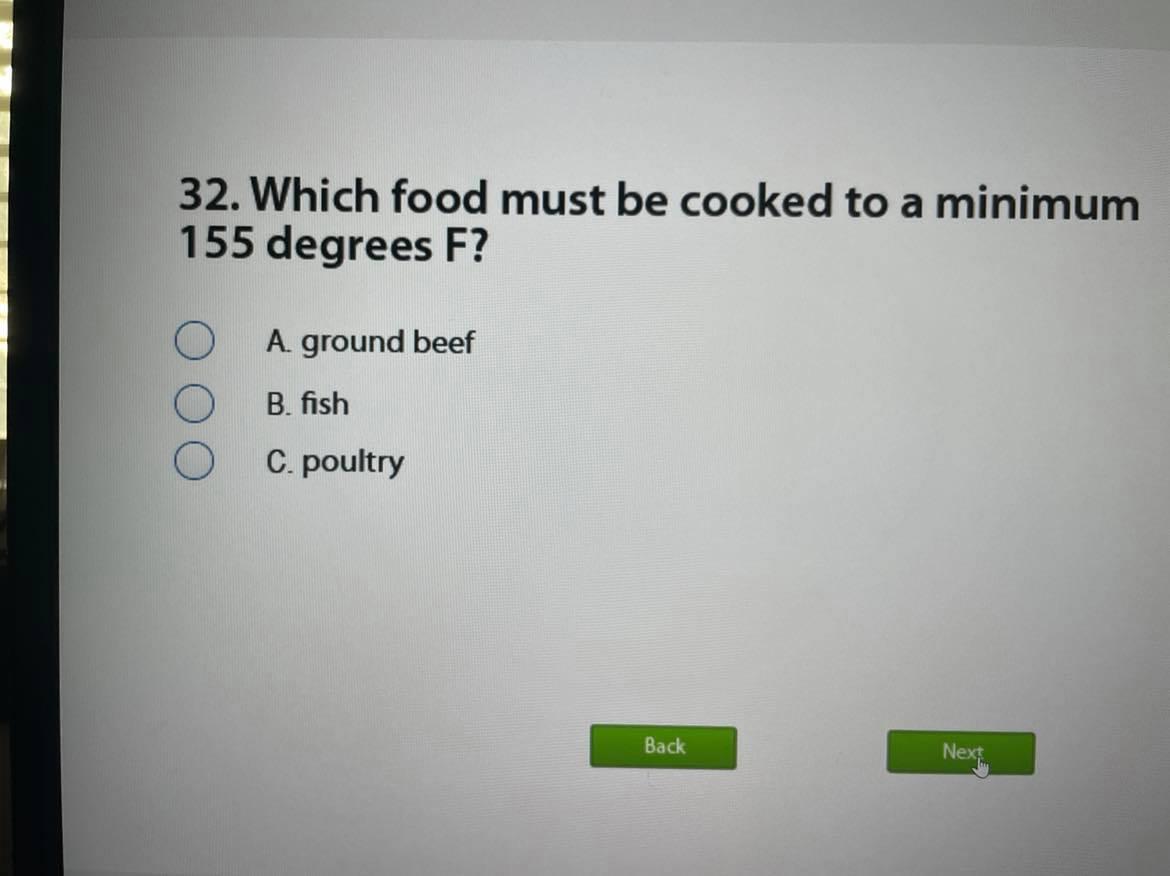
Food safety is a paramount concern in culinary practices, particularly regarding the proper cooking temperature of various foods. Among the myriad of guidelines that govern food preparation, the stipulation that certain food items must reach an internal temperature of at least 155 degrees Fahrenheit is crucial for ensuring public health. This article will delve into which specific foods warrant such meticulous attention, the scientific rationale behind these temperature requirements, and the implications of failing to adhere to them.
One of the primary categories of food that mandates cooking to a minimum internal temperature of 155 degrees Fahrenheit is ground meats. This includes, but is not limited to, beef, pork, lamb, and veal. The grinding process significantly increases the surface area of the meat, allowing bacteria present on the exterior to be mixed throughout the product. As pathogens can survive on the outer layers, achieving the correct internal temperature is essential to eradicate any harmful microorganisms. Ground meats harbor bacteria such as Escherichia coli and Salmonella, both of which can cause severe foodborne illnesses.
Poultry, particularly when ground, also falls within this critical temperature range. Ground chicken or turkey carries the risk of contamination, particularly with Salmonella and Campylobacter, pathogens frequently associated with avian products. The Centers for Disease Control and Prevention (CDC) consistently report instances of illness traced back to improperly cooked poultry, underscoring the necessity of bringing these items to at least 155 degrees Fahrenheit.
Additionally, any dish that combines multiple food elements—such as casseroles, meatloaf, or stuffed poultry—should also be cooked to this temperature. The complexity of such dishes often means that certain components may not reach the desired internal temperature if not monitored cautiously. Hence, a holistic approach to cuisine necessitates vigilance to ensure that all ingredients achieve safe temperatures.
Prepared eggs, particularly in formulations like scrambles or omelets, must meet the 155-degree threshold as well. The United States Department of Agriculture (USDA) emphasizes that eggs can harbor Salmonella, which is especially risky when eggs are consumed in a runny state or undercooked. To mitigate these risks, culinary professionals and home cooks alike are advised to employ a food thermometer to confirm that egg dishes reach safe internal temperatures.
Moreover, ready-to-eat foods that are reheated but not subjected to a previous cooking phase also necessitate reaching 155 degrees Fahrenheit. This includes precooked items, like certain frozen meals, which may harbor pathogens accrued during the initial preparation process. Heating these items adequately eliminates any residual bacteria, promoting food safety.
The implications of not adhering to these temperature guidelines can be far-reaching and severe. Foodborne illnesses not only have detrimental effects on individual health, leading to symptoms ranging from mild gastrointestinal discomfort to life-threatening conditions, but they also place an immense burden on healthcare systems and economies. The consequences of overlooking proper cooking temperatures can result in legal repercussions for restaurants and food service establishments, should they be found negligent in their preparation processes.
Beyond the realm of personal health and safety, cooking foods to the requisite temperatures is a practice steeped in a broader cultural and ethical context. The art of cooking is intertwined with responsibility; there exists a moral imperative to ensure that food is prepared correctly to protect consumers. Observing basic food safety guidelines is an integral part of the culinary profession and reflects a commitment to public health.
Understanding the science behind these temperature requirements, as well as the rationale for different food categories, can instill a deeper appreciation for the culinary process. It transforms cooking from a mere vocation into a conscientious act that honors the ingredients, the producer, and the consumer. By adhering to the standard of cooking certain foods to a minimum of 155 degrees Fahrenheit, cooks can not only enhance the gastronomic experience but also preserve the sanctity of food safety.
In conclusion, the necessity of cooking food to at least 155 degrees Fahrenheit transcends a mere aspect of food preparation; it encapsulates a broader paradigm of health, ethics, and culinary precision. Recognizing which food items demand such treatment, from ground meats to prepared eggs, imbues the artistry of cooking with a newfound clarity and purpose. Armed with this knowledge, both amateur cooks and seasoned chefs can navigate their culinary adventures with confidence and integrity, ensuring that each dish is not merely a reflection of taste but also a testament to security and care.

Leave a comment