

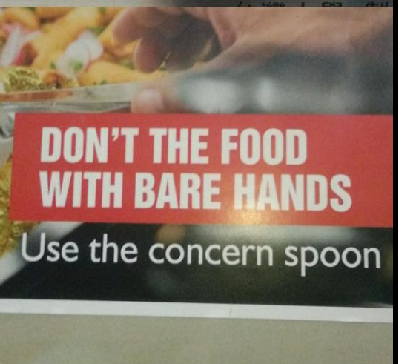
When it comes to culinary practices, the way food is handled speaks volumes about hygiene, safety, and, ultimately, the enjoyment of the dining experience. Some foods, due to their particular characteristics or preparation methods, warrant careful consideration regarding their handling. The question of which foods should not be manipulated with bare hands invokes a wider discourse about microbiology, food safety protocols, and even cultural norms. Below, we delve into an exhaustive examination of this significant topic.
1. The Importance of Hygiene in Food Handling
Understanding the basis of food safety begins with acknowledging the critical principle of hygiene. Our hands come into contact with numerous surfaces, each potentially laden with pathogens. The transference of bacteria from hands to food can precipitate foodborne illnesses, which often arise from a seemingly innocuous act—handling food without the appropriate barriers. This is particularly pertinent in today’s world, where health consciousness has reached unprecedented levels, making the scrutiny of food preparation practices paramount.
2. High-Risk Foods That Require Caution
Some food categories are notoriously susceptible to microbial contamination, necessitating cautious handling practices. Prime examples include:
2.1 Raw Proteins: Meat, Poultry, and Seafood
Raw animal products such as meat, poultry, and seafood are far from innocuous. They can harbor a variety of pathogens, including Salmonella, Escherichia coli, and Listeria monocytogenes. The potential for cross-contamination is particularly high when these items are handled with bare hands, as pathogenic bacteria can easily spread to surfaces and ultimately other food items. Thus, utilizing utensils or gloves is not merely a question of preference but a fundamental safety measure.
2.2 Prepared Salads and Ready-to-Eat Foods
Food products that are meant to be consumed without any further cooking—like salads, deli meats, or cheeses—also present a risk when mishandled. Bacteria such as Listeria can expand in prepared foods that are improperly handled or stored. Additionally, the tactile nature of salads often tempts individuals to use their bare hands, but it is crucial to utilize utensils to prevent contamination. Even when the ingredients are deemed clean, environmental contaminants can easily find their way onto the surface of the food.
3. Cultural Implications of Hand Food Handling
The topic of food handling surfaces not only health considerations but also cultural practices. In many cultures, eating with bare hands is a time-honored tradition, believed to enhance the sensory experience of a meal. However, even in these contexts, specific precautions are frequently observed. Ritual washes and protocols are customary in many traditions before breaking bread, underscoring a communal awareness of hygiene while maintaining cultural authenticity.
4. Hygiene Measures and Best Practices
To mitigate the risks associated with handling food, several best practices should be adopted:
4.1 Wash Hands Thoroughly
Prior to any food preparation, washing hands with soap and warm water for at least 20 seconds is imperative. This simple yet effective practice eradicates a significant percentage of harmful bacteria.
4.2 Use Utensils or Gloves
Employing the use of utensils or food-grade gloves when handling high-risk foods is a recommended practice. This not only minimizes direct contact but also reduces the chance of cross-contamination during food preparation.
5. The Science Behind Contamination
The intrigue behind why certain foods necessitate strict handling protocols is deeply rooted in food science. Microbial contaminants can thrive under various conditions, including warm temperatures and moisture-rich environments. Raw meats, for instance, often contain a high water content which is conducive to bacterial growth. Moreover, the surfaces of fruits and vegetables can be deceptively captivating, as visible dirt may mask the presence of harmful microorganisms. Understanding the behavioral patterns of bacteria reinforces the rationale behind avoiding bare-hand handling.
6. Conclusion
As we navigate the complex landscape of food handling, the underlying message is clear: a mindful approach to how we interact with our food can drastically influence not only our health but also our dining experiences. The prohibition of handling certain foods with bare hands transcends mere hygiene; it reflects an intricate interplay of tradition, microbiology, and culinary art. To elevate our engagement with food, integrating safety practices alongside sensory enjoyment is not just advisable—it is essential.

Leave a comment