

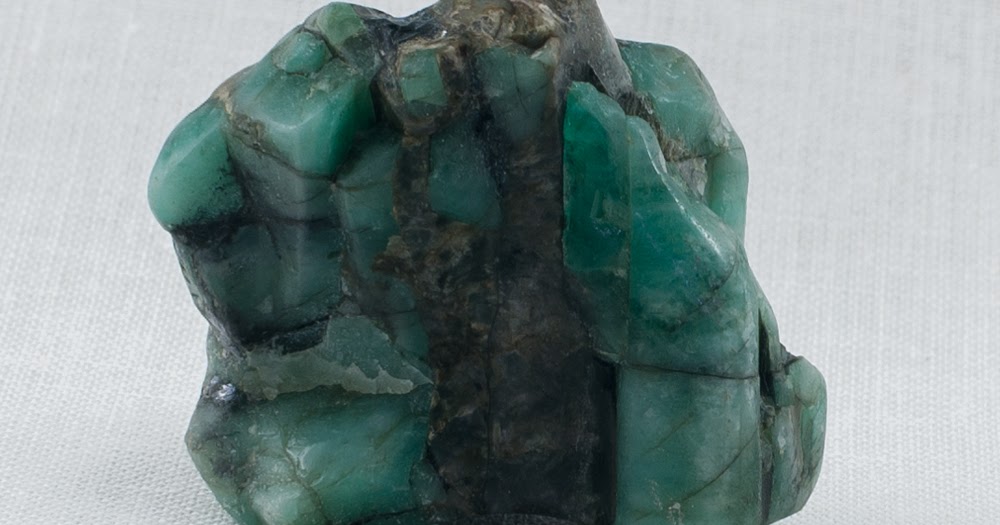
Emeralds, captivating gemstones revered for their verdant hues and radiance, have long mesmerized both gem enthusiasts and collectors alike. However, in the intersection of paleontology and mineralogy, a query emerges that invites curiosity: “Which fossil should I take in Emerald?” The very fabric of this question unearths the underlying ecosystems where these stunning gems could be found alongside a myriad of ancient life forms. This exploration transcends mere choice; it envelops a voyage of appreciation of natural history and the intricate tapestry of life on Earth.
To embark upon this insightful expedition, one must first delineate the symbiosis between fossils and minerals like emeralds. Fossils, remnants of bygone life, encapsulate a time long past, serving as portals to understand evolutionary trajectories and ecological dynamics. When considering which fossils to pair with emeralds, one is effectively curating a collection that reflects not just aesthetic value but also profound stories of resilience and transformation.
Firstly, the geological context in which emeralds are discovered can lead one to consider fossils from similar strata. In the case of Colombian emeralds, they often coexist with marine fossils, such as ammonites or cephalopods. These fossils manifest a rich narrative of Earth’s ancient oceans, teeming with vibrant life forms, and can enhance an emerald collection by adding a historical dimension. Such fossils embody the juxtaposition of life and beauty, where the dynamic movements of ancient creatures contrast with the static allure of emerald.
Moreover, one may contemplate fossils from terrestrial environments where emerald deposits were formed. Fossils like those of dinosaur bones, though potentially too grandiose for individual collectors, represent the sheer magnitude of life that roamed the Earth millions of years ago. Imagine juxtaposing a striking raw emerald with a small dinosaur fossil, such as a theropod claw. This pairing effectively narrates a story, knitting together the mineral wealth of our planet’s crust with the biological richness of its surface.
Furthermore, the alluring world of amber also invites exploration. While not a fossil in the traditional sense, amber often encapsulates ancient organisms, offering a glimpse into the ecosystems of the past. When considering a vibrant emerald, one might be intrigued by the prospect of pairing it with an amber specimen containing trapped insects or plant material. This relationship accentuates the contrast between the organic and inorganic, highlighting the intertwined destinies of life and mineral formation.
Additionally, other gemstones with associated fossils could tantalize the aesthetic palate. For instance, pairing an emerald with fossils of orthoceras—a prehistoric cephalopod—invites the beholder to reconcile the aquatic origins of both entities. The swirling patterns of orthoceras fossils speak to the chaos of life’s evolution, while the green depth of emeralds represents a stability and clarity amid the tumult. Together, they create a dialogue that enriches one’s understanding of the natural world.
Next, the provenance of the fossils plays an essential role in determining their relevance to an emerald collection. Authenticity and traceability cultivate a sense of esteem, as collectors often seek not just beauty but also a narrative interwoven with factual history. Suppose one finds an enclave of fossils from the same locality where their emerald was mined. In that case, the historical integrity of the collection is enhanced, providing an educative edge and cementing a connection to specific geological events.
As one sifts through potential fossil candidates, the aesthetic compatibility cannot be underestimated. The color contrast between an emerald’s vivid green and the earthy tones of fossilized wood or petrified plants can create an entrancing display—each piece enhancing the other’s allure. The visual narrative they conjure becomes a sensory experience, captivating collectors and casual observers alike.
A consideration of scale is also paramount. When showcasing an emerald, pairing it with smaller fossils can amplify its brilliance without overshadowing it. A diminutive trilobite fossil next to a larger raw emerald forms a harmonious composition, where the emerald’s luster is accentuated by the intricate details of the fossil, emphasizing the stories each piece tells.
Engaging with the notion of storytelling deepens this exploration further. Each fossil chosen embodies a narrative—a dinosaur traversing ancient landscapes, ammonites swirling in primordial seas, or the delicate intricacies of ancient flora. Through the thoughtful selection of fossils to accompany emeralds, a collector embarks on a narrative journey unveiling life’s myriad adaptations and the timeless beauty of its forms.
Finally, embracing the multifaceted relationships between elements of paleontology and mineralogy promises a shift in perspective. As one stands before a display—emeralds glistening under subtle light, surrounded by the whispers of ancient life—curiosity burgeons. It compels the observer not merely to view gemstones but to ponder the very essence of existence. In this light, the query “Which fossil should I take in Emerald?” transforms into a profound meditation on our planet’s intricate legacy, urging deeper appreciation of the bonds between the mineral realm and the tapestry of life itself.
In conclusion, the amalgamation of fossils and emeralds unveils a rich tableau of history, beauty, and curiosity. The selection of fossils goes beyond mere aesthetic choices; it encapsulates tales of survival, adaptation, and the perpetual march of time. Thus, as you ponder which fossils to accompany your emeralds, remember: each choice is a reflection of life’s grandeur, an invitation to explore the interconnected worlds of geology and paleontology, and a reminder of the astonishing diversity that has shaped our planet.

Leave a comment