

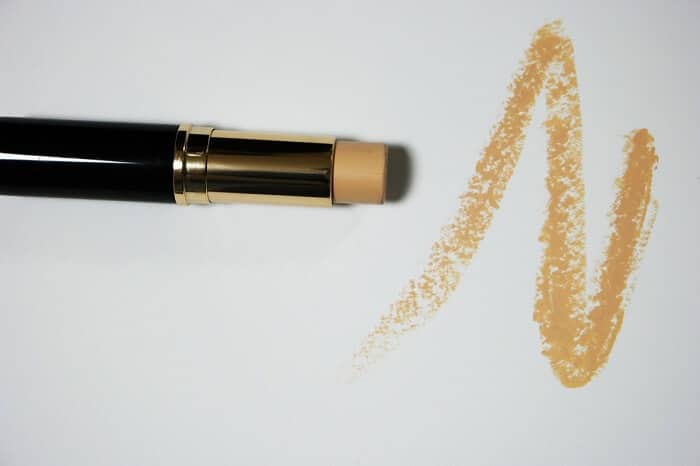
Exploring the delicate balance that is combination skin often feels like navigating a labyrinthine path, where dry patches collide with zones of humidity and excess oil. As individuals blessed—or perhaps cursed—with this unique skin type, the quest for the ideal foundation becomes paramount, transforming mere makeup application into a meticulous ritual of self-expression. The crux of the matter lies in identifying formulations that cater to the diverse needs of this multifaceted complexion.
To understand the dynamics of combination skin, one must first appreciate its fluidity. Characterized by several different textures across the face, this skin type typically exhibits oiliness in the T-zone—forehead, nose, and chin—while remaining parched or normal in other areas. Consequently, the quest for the optimal foundation necessitates a product that can impart hydration without exacerbating oil production. Hence, the primary objective becomes a pursuit of balance.
When embarking upon this search, it is essential to recognize the ingredients that harmonize with combination skin. Foundations should ideally feature a mélange of hydrating agents like hyaluronic acid and glycerin, which draw moisture into the skin without overwhelming oil-prone areas. Conversely, the inclusion of matting powders or oil-absorbing components, such as silica or kaolin clay, can help mitigate shine in the T-zone. This duality is what sets foundations effective for combination skin apart from their less adept counterparts.
One critical facet that merits examination is the texture of the foundation itself. A foundation should feel lightweight; excessive heaviness can exacerbate both dryness and oiliness. Liquid foundations with a satin finish often achieve this elusive equilibrium. Cream foundations may provide commendable coverage but can quickly lead to an unflattering sheen in oilier regions. As a general rule, the more fluid the formula, the more adaptable it is to the capricious nature of combination skin.
Furthermore, the choice between buildable coverage and sheer formulations can dramatically impact the wearer’s experience. Sheer foundations that allow for layering offer flexibility, enabling individuals to tailor their make-up to suit varying occasions—from a subtle day look to resplendent evening glamour. Buildable foundations, on the other hand, provide a robust canvas that hydrates while controlling oil production, facilitating a seamless, natural appearance.
It is also imperative to consider the finish a foundation offers—a factor that significantly influences the overall aesthetic. A matte finish may help to curtail shine but risks rendering dryer areas even more pronounced, thus inadvertently intensifying the dichotomy inherent in combination skin. Satin or natural finishes, however, reflect light in a way that imparts luminosity to the skin, generally appearing more cohesive and harmonious across the different zones of the face.
Equipped with an understanding of ingredients, textures, and finishes, one can now delve into specific foundation recommendations that epitomize excellence for combination skin. The first contender is a renowned liquid foundation featuring a gel-like texture enriched with hyaluronic acid. This formulation not only hydrates but does so in a manner that feels supremely lightweight on the skin. Its ability to provide a semi-matte finish, coupled with exceptional versatility in coverage, makes it a favored choice among beauty enthusiasts.
In contrast, a mineral foundation can be another excellent alternative. This powder formula presents an airy consistency that allows for breathability, effectively absorbing excess oil in the T-zone while bestowing a gentle luminosity to drier areas. Moreover, mineral foundations often embrace the advantages of natural ingredients, making them less likely to provoke irritation—a boon for skin that fluctuates between extremes.
Another formidable player in the foundation sphere is a hybrid product that marries the attributes of a serum and a foundation. This innovation speaks directly to the needs of combination skin by delivering impeccable hydration without the oppressive weight typically associated with traditional foundations. Such formulations often boast a dual-action function: they act as both a beautifying agent and a nurturing serum, thus promising a radiant complexion whilst improving skin health with continued use.
Pivoting away from mere product selection, one must also pay heed to the technique of application. Employing the right tools can dramatically influence the finish of a foundation. A damp makeup sponge tends to produce a flawless, airbrushed quality, effectively melding the product with the skin. Conversely, a brush may impart greater coverage but requires a judicious hand to avoid disrupting dry patches. Finger application, while unconventional, allows for a more personalized touch, bringing warmth that can aid in blending.
Finally, it is crucial to embrace the principle of experimentation. Each skin type is a unique tapestry, and the perfect foundation may require testing various products to establish what resonates best with individual needs. Seasonal changes, hormonal fluctuations, and even daily stressors can all alter skin behavior, compelling one to adapt and reevaluate their foundation choices. Understanding this fluidity fosters a sense of empowerment—the ability to enjoy makeup as a form of artistic expression, rather than a daunting obligation.
Ultimately, the right foundation for combination skin should not merely cover imperfections but celebrate the beauty of diversity found within one’s complexion. By striking a balance between hydration and oil control, esteemed formulators offer the opportunity to encapsulate the splendour of varied skin textures in a single, harmonious application. With the right foundation, individuals with combination skin can navigate their unique beauty journey with confidence, showcasing their multifaceted nature in a dazzling light.

Leave a comment