

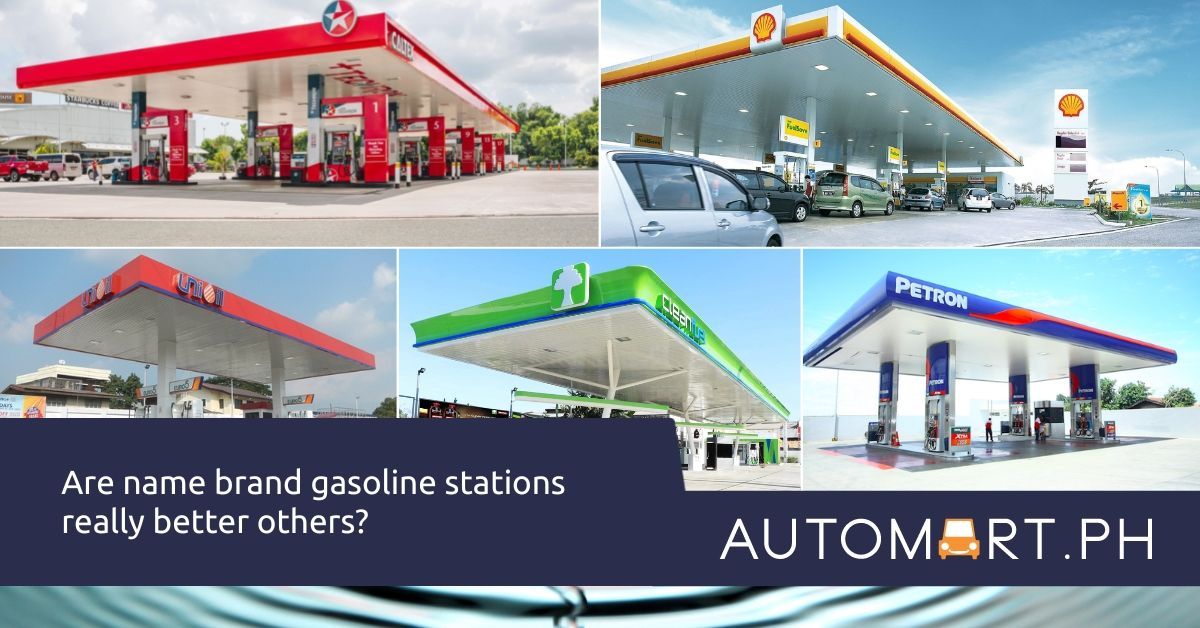
As motorists navigate the intricate tapestry of modern transportation, the question arises: which gasoline brand is superior? In a world where every push of the pedal counts, does it truly matter whether you fill up at a name-brand station or a less recognized outlet? This inquiry might initially seem trivial, yet it unfolds layers of complexity. The dilemma beckons: to trust the familiar promise of a prestigious name or to unveil the hidden qualities of lesser-known alternatives? Let us embark on an exhaustive exploration of this contentious topic.
To begin our discussion, it is essential to dissect the components that constitute fuel quality. Primarily, gasoline’s efficacy is determined by its octane rating, which serves as a measure of an engine’s ability to resist knocking. Higher octane ratings generally imply better performance for high-compression engines, often found in sports cars and luxury vehicles. Many name-brand gasoline stations tout elevated octane levels and specialized additives, which they claim enhance engine performance and longevity. But are these claims substantiated by empirical evidence?
Leading brands such as Shell, Chevron, and ExxonMobil advocate for their proprietary fuel mixtures, which allegedly include detergents and enhancers that minimize deposits in fuel injectors and combustion chambers. Numerous automotive studies corroborate that these additives can lead to improved fuel efficiency and decreased emissions. A brand such as Shell promotes its V-Power NiTRO+ fuel, boasting a blend designed to clean and protect internal engine components. Consequently, one might argue that investing in a name-brand fuel could equate to superior engine health over time.
Alternatively, consider the realm of off-brand gasoline. Local and regional suppliers often procure their fuel from the same refineries as major brands. As a result, the base gasoline may ostensibly possess similar properties. However, the crucial distinctions lie in the absence of proprietary additives. This absence accentuates a pivotal question: if the fuel composition is largely comparable, does the higher price tag of name-brand gasoline reflect actual benefits, or is it merely a case of perceived value?
Furthermore, economic considerations cannot be overlooked when evaluating gasoline options. Consumers frequently base their choices on price per gallon, seeking cost-effective solutions amidst fluctuating fuel markets. This trend raises an intriguing paradox: while brand loyalty may dictate purchasing decisions, the allure of a lower price can entice many to abandon such allegiance. The central challenge remains—does the economic incentive of opting for lower-cost alternatives outweigh the potential advantages offered by name brands?
Consumer experiences also play a pivotal role in shaping preferences. Anecdotal evidence points to diverging opinions on performance between name-brand and off-brand fuels. Some drivers tout superior mileage and enhanced performance with reputed brands, while others report negligible differences in their day-to-day driving. The subjective nature of these experiences complicates the decision-making process, leaving many to question the tangible benefits of one brand over another.
To contextualize this debate, it is prudent to examine the environmental implications of gasoline consumption. Increasingly, environmentally conscious drivers are motivated by the desire to reduce their carbon footprint. Brands that promote sustainability initiatives may attract consumers who wish to align their fuel choices with their values. Companies like BP have invested significantly in alternative energies and biofuels, thereby contributing to a broader conversation about the future of fuel. In this light, the evaluation of gasoline brands extends beyond the consumer experience to encompass ethical considerations, thereby reshaping the discourse.
Additionally, understanding the regional variations in fuel availability and quality is essential. Not all areas are equipped with the same array of options. In urban settings, name-brand stations may flourish, each presenting a façade of premium services. Conversely, rural settings might reveal a scarcity of choice, compelling drivers to fill their tanks wherever feasible. Such dynamics complicate the quest for the “best” gasoline brand and underscore the necessity for individualized evaluations based on geographic circumstances.
Technological advancements further complicate the landscape of gasoline branding. With the rise of electric vehicles (EVs), the focus on traditional fuels may soon shift. While gasoline brands currently vie for consumer loyalty, the impending transition towards electrification poses a challenge that will irrevocably alter market dynamics. Will name-brands retain their prominence, or will new players emerge on the scene, offering alternatives that captivate a more environmentally conscious consumer base?
In conclusion, determining the ideal gasoline brand encompasses an intricate interplay of factors—octane ratings, additives, price, consumer experiences, environmental impact, and regional availability. Although name-brand gasoline stations offer certain advantages allegedly linked to fuel quality and engine performance, the practicality of opting for off-brand alternatives warrants thoughtful consideration. The challenge lies in weighing these variables critically, alongside one’s personal preferences and driving habits.
Ultimately, the search for the “better” gasoline brand may not yield a definitive answer. Instead, it invites a personal journey of exploration, where empirical data entwines with subjective experience. By navigating this multifaceted landscape, consumers can arrive at a more informed decision, ensuring that each journey taken is both efficient and satisfactory.

Leave a comment