

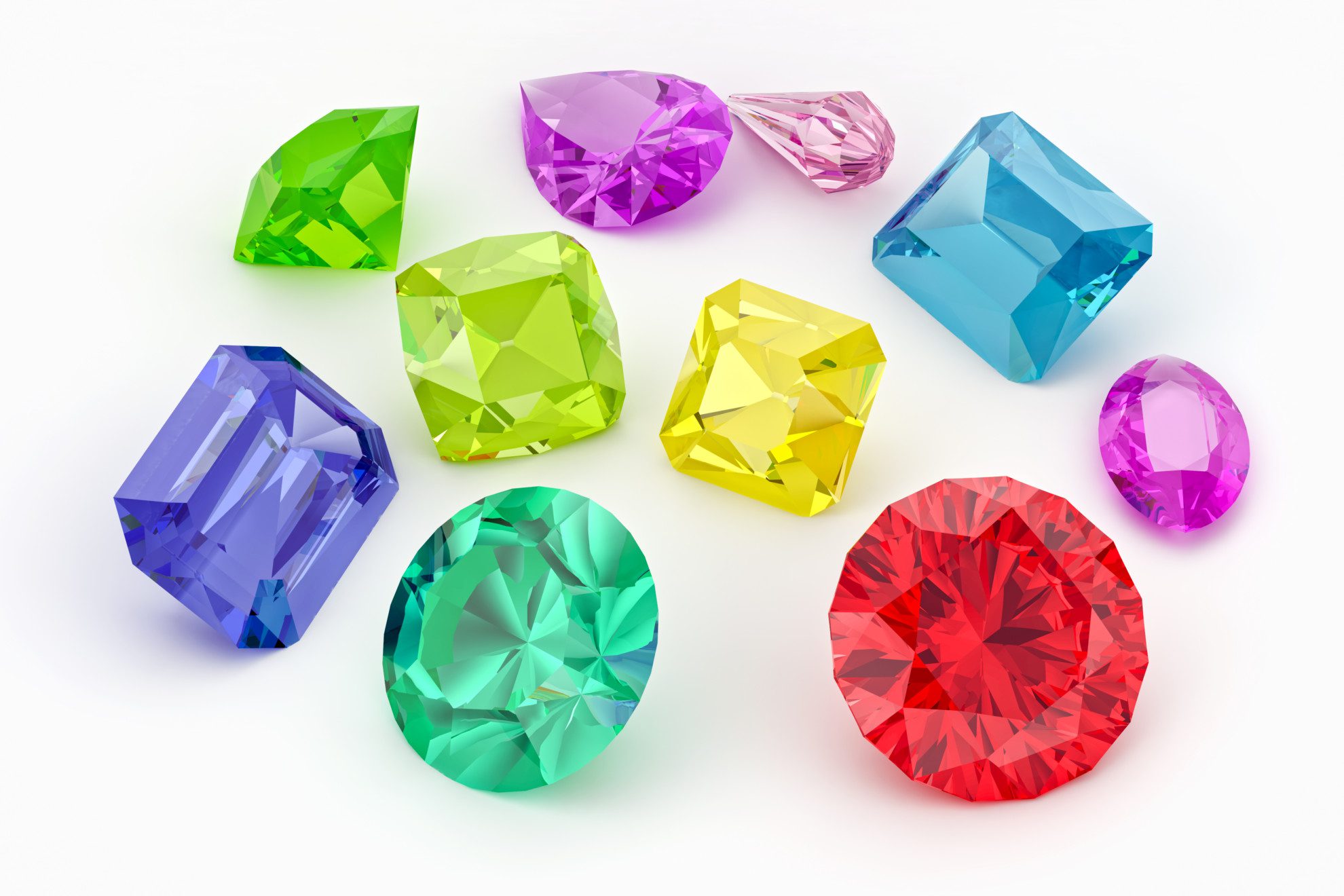
In the realm of gemstones, the question “Which gemstone is more expensive?” stands as a beacon of intrigue, drawing the attention of collectors, jewelers, and enthusiasts alike. The fascination with gemstones transcends mere aesthetics; it encompasses aspects of rarity, geological formation, cultural significance, and market demand. To navigate this complex query, one must delve into both the quantified values of gemstones and the qualitative factors that contribute to their allure.
To embark on this exploration, one must first acknowledge that the pricing of gemstones operates under the principles of supply and demand. Rarity plays a pivotal role, but it is essential to differentiate between natural rarity and market rarity. For instance, diamonds, although technically abundant in geological terms, are often perceived as rare due to successful marketing and strategic control of supply chains by leading diamond corporations. In stark contrast, certain colored gemstones, such as tanzanite and alexandrite, possess true geological rarity, rendering them exceptional in terms of both value and investment potential.
One might begin by examining diamonds, which have long established their dominance in the luxury gemstone market. The Four Cs—carat, cut, clarity, and color—serve as the quintessential grading standards for diamonds. A particular diamond can command astronomical prices when exhibiting an exceptional combination of these attributes. A flawless 5-carat pink diamond can fetch prices nearing $10 million, demonstrating the extreme value placed on unique color variations and sizes. However, despite their commanding presence, colored diamonds, such as the vivid blue Hope Diamond or the rare red diamonds, have begun to carve out a niche that rivals traditional white diamonds in cost and desirability.
Next, one should consider sapphires, particularly the coveted Kashmir sapphires. These gemstones are renowned not only for their striking blue hues but also for their historical and geological significance. Kashmir sapphires are prized for their velvety texture and the intense saturation of color attributed to their unique mineral compositions. The rarity of these stones has pushed prices upwards of $50,000 per carat, making them some of the most sought-after gemstones. Moreover, as mining activities in the original Kashmir region have significantly declined, the economic value is expected to further appreciate over time.
Another fascinating gemstone vying for higher market prices is jadeite, especially the imperial quality varieties. Intrinsically valued in Asian cultures, particularly in China, jadeite represents purity and nobility. The intricacies of its structure, coupled with rich associations to cultural heritage, enhance its prestige. Exceptional jadeite pieces have been known to reach prices surpassing $30,000 per carat, with some notable auction house sales achieving several million dollars for intricately carved sculptures. This underscores not only the inherent value of the material but also the cultural narratives that underpin its desirability.
Moreover, the allure of colored gemstones is not limited to historical and cultural interpretations. Innovative modern trends have seen a rise in demand for gemstones such as emeralds and rubies, each characterized by unique qualities that command premium prices. The origin of emeralds has become a significant determining factor for pricing; Colombian emeralds are often heralded as the most desirable, commanding prices that can exceed $20,000 per carat for stones exhibiting exquisite clarity and color. Similarly, Burmese rubies, often dubbed “the king of precious stones,” can achieve similar exalted valuations, especially those that showcase an intense red hue with minimal inclusions.
It is important to examine not just the individual pricing of these gemstones, but also the broader shifting trends in the market. The rise of alternative investments has led to an increasing fascination with gemstones as assets. As collectors begin to appreciate the potential returns of semi-precious stones, like tourmaline or garnet, it becomes evident that valuation does not solely hinge on rarity and aesthetics. Some semi-precious stones have begun to realize startling valuations based on the ingenuity in marketing and the elevation of aesthetic standards.
As one contemplates the complexity of gemstone prices, the notion of what constitutes value becomes intertwined with societal perceptions and individual preferences. Factors such as ethical sourcing and the environmental impact of mining practices increasingly influence consumer behavior, affecting the desirability and consequently the price of certain gemstones. The emerging segment of sustainably sourced gemstones illustrates a growing awareness, challenging traditional definitions of luxury and rarity.
In conclusion, the inquiry into which gemstone holds greater expense is not merely a question of numerical value. It encompasses a rich tapestry of geological rarity, cultural significance, market dynamics, and individual preferences. As the gemstone market continues to evolve amidst changing consumer values, the understanding of what makes a gemstone truly priceless will undoubtedly adapt. Ultimately, the fascination with such stones reflects not just their physical attributes but also our complex human narratives that enrich their existence, rendering every gemstone a unique chapter in the broader story of nature and human culture.

Leave a comment