

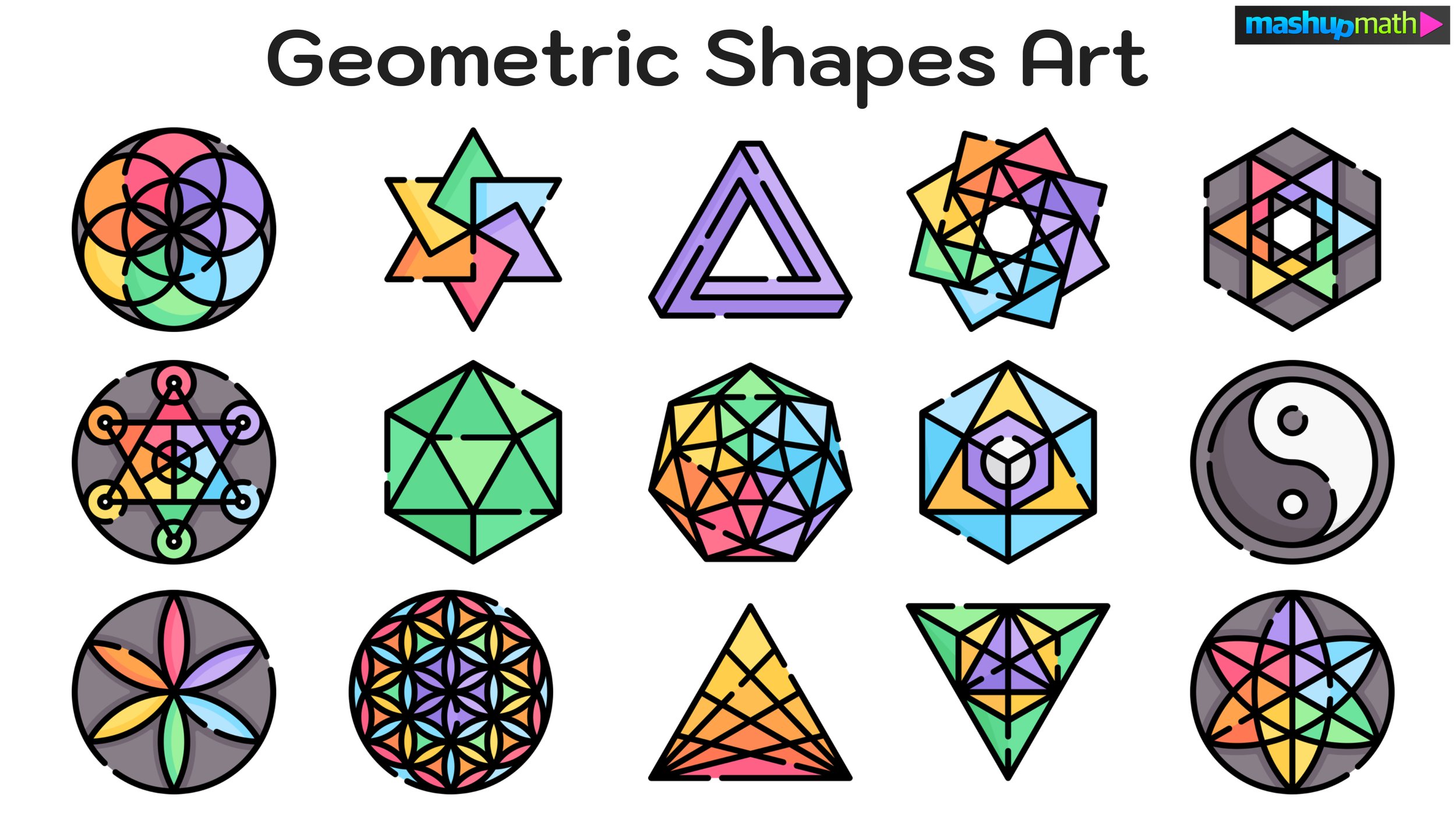
The quest to identify the most fitting geometric shape to model a building is not merely an academic pursuit; it invites a fascinating exploration into the realms of architecture, mathematics, and aesthetics. This inquiry transcends the basic geometric forms that constitute the skeleton of structures we inhabit; it delves into the interplay between functionality, stability, and artistry. As we embark on this journey, we discover a gallery of geometric shapes, each holding its own potential to shape the built environment.
At the heart of contemporary architecture lies the ubiquitous rectangle. Its angularity and straightforward symmetry serve as the foundation for countless buildings. From the simple design of residential homes to the intricate composition of high-rise towers, the rectangle dominates. Yet, while its practicality and ease of fabrication are undeniable, one may wonder—does such simplicity foster innovation or stagnate it?
Conversely, consider the allure of the circle. This geometric form is not only aesthetically pleasing but also imbued with symbolic significance. The circle represents unity and continuity, and its absence of angles eradicates the notion of hierarchy among its points. Buildings designed utilizing circular structures often facilitate fluid movement, enhancing the human experience within a space. For instance, iconic structures like the Colosseum in Rome exemplify how circular designs can yield expansive and inviting environments. The potential for a shift in architectural perception is fascinating; could there be a resurgence of circles in modern architectural design?
Another compelling shape worthy of consideration is the triangle. Triangles are not only fundamental in arts and sciences, but they also offer unparalleled structural integrity. Their shape allows them to distribute weight evenly, making them a popular choice for roofs and trusses. The stability inherent in triangular formations suggests a dual function: aesthetics and practicality. Yet, one might ponder, could they be utilized even further, perhaps in unconventional buildings that challenge our traditional understanding of structural design?
The pentagon, often overshadowed by simpler forms, showcases another intriguing avenue for building design. Structures utilizing pentagonal elements can lead to captivating layouts that evoke curiosity. For instance, the design of the Pentagon itself incorporates the stability of the five-sided figure, yet it also prompts discussions about militaristic connotations. Reflecting on this complexity, could pentagonal designs usher in a new era of eco-friendly architecture, blending form with environmental consciousness?
Transitioning to more complex polyhedral forms, we encounter the cube and its tempting variations. The cube epitomizes modernist simplicity, and its symmetry lends itself well to urban settings. However, the challenge arises when contemplating how to instill uniqueness within such an elementary form. Architects experimenting with cubism often overlay textures or incorporate vibrant colors, thereby weaving narratives into their builds. As urban spaces continue to evolve, how might adaptations of cube-like structures disrupt conventional architectural paradigms?
Then, we enter the realm of curvature, where shapes such as the hyperbola and parabola find their relevance. These curves, often seen in the designs of avant-garde architects, pose intriguing questions about the nature of space itself. The Guggenheim Museum in Bilbao, designed by Frank Gehry, boldly embraces sinuous forms, captivating observers and redefining expectations of space utilization. As we envision the buildings of tomorrow, could these unconventional curves become the canvas for future artistic expressions?
Of equal importance is the role of fractals in modeling buildings. Fractal architecture mimics natural forms, inviting harmony between human-made structures and the environment. The design of the Eden Project in Cornwall, England, incorporates patterns found in nature, which could revolutionize how we approach sustainability in architecture. As we increasingly confront ecological crises, this line of inquiry leads us to ponder: how might fractals help forge a path toward a symbiotic relationship between structures and the environments in which they inhabit?
As we integrate these geometric wonders, it is essential to also consider the philosophical implications of such choices. The decisions architects make regarding shapes resonate beyond aesthetics, invoking dialogues about culture, society, and sustainability. Engaging with geometry is, in essence, an exploration of values. For instance, does the choice of a circular shape signify an inclusive approach to the design process? Does opting for complex patterns denote innovation, or does it simply reflect a trend?
Ultimately, the choice of geometric shape to model a building transcends mere architectural intent; it becomes a voyage of discovery. Each geometric form—be it rectangular, circular, triangular, or even fractal—offers distinct advantages and invites unique interpretations. The challenge lies in harnessing these shapes to create spaces that inspire human interaction, elevate aesthetic appreciation, and harmonize with our natural surroundings. As the horizons of architectural possibility continue to expand, the future beckons: which geometric shapes will define the skylines of tomorrow, and how will they transform our experiences within these crafted environments? The answers may lie nestled within the shadows and light of the curves, angles, and edges, waiting for curious minds to uncover them.

Leave a comment