

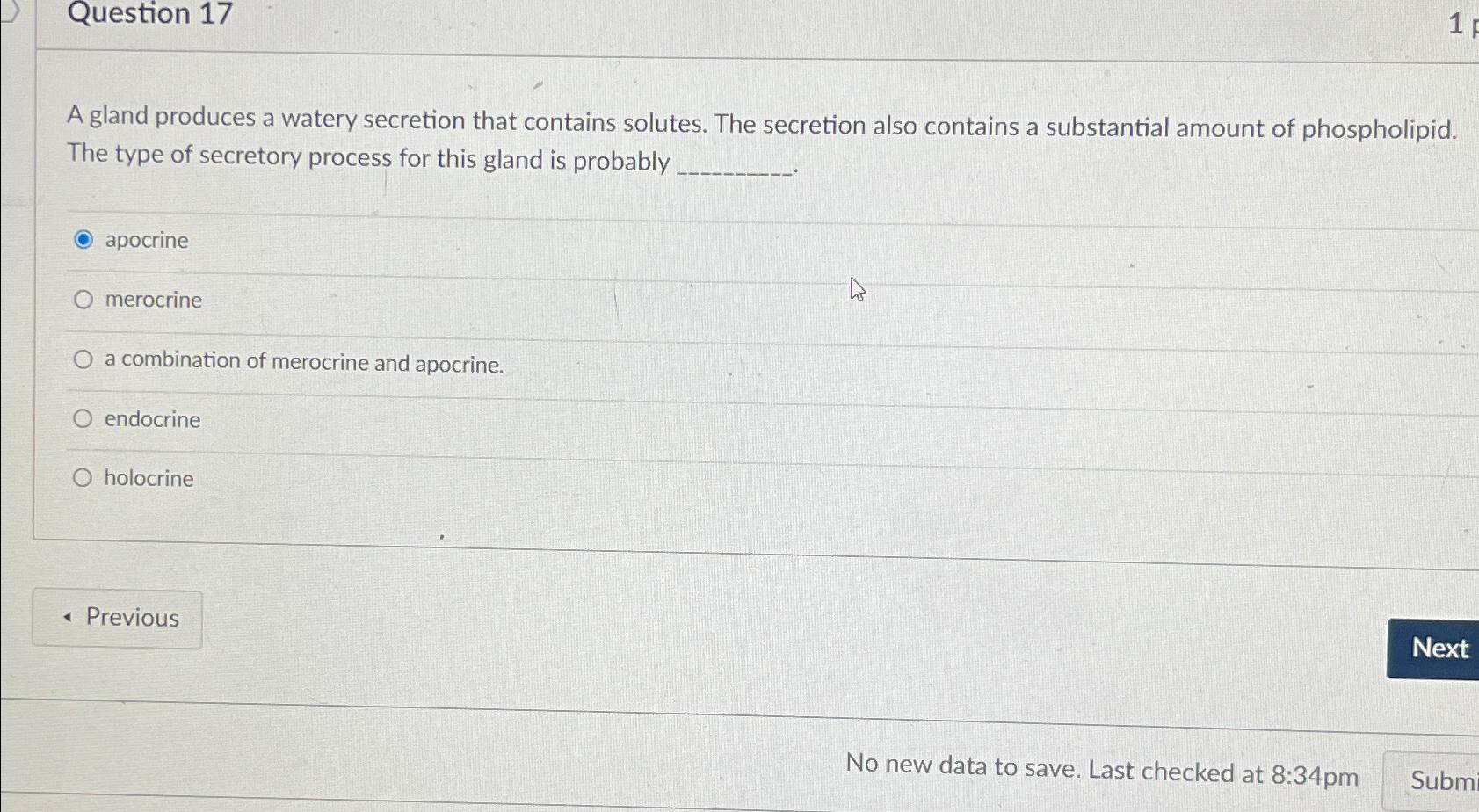
In the realm of human biology, the endocrine system intricately weaves a tapestry of glands, each contributing unique secretions that play pivotal roles in physiological functions. Among these, the apocrine glands stand out, particularly for their association with some of the body’s most intriguing and sometimes socially challenging secretions. Understanding these glands, their function, and the implications of their secretions can provide insights into both individual health and broader biological phenomena.
The apocrine glands are most notably found in specific areas of the body: the axillary (underarm) regions, the groin, and around the nipples. Unlike the more ubiquitous eccrine glands, which primarily produce a watery sweat to aid in thermoregulation, apocrine glands are known for their thicker, cloudy, and sometimes pungent secretions. This intriguing aspect of their function raises essential questions regarding their evolutionary role and social significance.
Structurally, apocrine glands differ from their eccrine counterparts. They are larger, located deeply within the dermis, and feature a specially adapted method of secretion. Whereas eccrine glands secrete their products directly onto the skin’s surface, apocrine glands release their secretions into hair follicles. This mechanism underscores the intimate relationship between human anatomy and the sensory experiences associated with social interactions.
One of the fascinating characteristics of apocrine secretions is their composition. These fluids are rich in proteins, lipids, and other organic compounds, which contribute to their thicker consistency and potential odor. When these compounds interact with skin bacteria, the breakdown of these materials can lead to the development of distinctive odors. Thus, what begins as a natural biological process can sometimes result in socially perceived issues related to body odor, leading to a myriad of personal remedies and societal norms around hygiene.
From an evolutionary standpoint, the production of such secretions appears to serve an important communicative role. The pheromonal properties of apocrine secretions have been the subject of scientific inquiry, suggesting that these substances may play a role in sexual attraction and social hierarchy. In many mammals, scent plays a crucial role in mating behaviors, establishing territory, and communication within packs or groups. In humans, while the extent of these behaviors is debated, unspoken social cues are undoubtedly influenced by scent, further enriching the complex fabric of human interaction.
Another fascinating aspect arises when examining the conditions that can exacerbate the secretion of these glands. Stress, hormonal fluctuations, and dietary choices can all influence apocrine gland activity. Some individuals experience heightened secretion during periods of emotional distress, resulting in an increase in odor. This connection between emotional states and physiological responses highlights the intricate interplay between our psychological and biological selves.
Moreover, the evolutionary vestige of these secretions prompts reflection on modern society’s relationship with natural body odors. While many cultures have developed a range of products—deodorants, antiperspirants, and fragrances—to mask or eliminate these scents, a counter-movement promotes the acceptance of natural body odor as a component of human authenticity. This duality emphasizes societal norms and personal identity, revealing the nuanced ways in which our biology intersects with culture.
In clinical contexts, excessive secretion from apocrine glands, known as hyperhidrosis, can be a concern for some individuals. When the production of these secretions becomes excessive and thus affects daily life, interventions, including botox injections and surgical options, may be considered. These treatments can help mitigate the distress associated with unusual or excessive odors, allowing individuals to feel more comfortable in their environments.
Interestingly, the interest in and understanding of the apocrine glands extend beyond mere physiology. Research into the microbiome—the collection of microorganisms residing in and on our bodies—has opened new avenues for understanding the relationships between our secretions and the bacteria that inhabit our skin. This symbiosis plays a critical role in odor production, suggesting potential strategies for addressing odor-related concerns through microbiome management.
Ultimately, the apocrine glands exemplify a fascinating intersection of biology and social dynamics. The sticky, cloudy, and sometimes smelly secretions produced by these glands evoke a complex tapestry of human experience, connecting bodily functions to cultural practices and social interactions. As we continue to explore the significance of these secretions, we uncover deeper understandings of both the human condition and our evolutionary past, inviting a greater appreciation for the intricate systems that govern our lives.
In conclusion, the inquiry into which gland produces a sticky, cloudy, and sometimes smelly secretion unveils the intricate workings of the apocrine glands. They not only serve essential physiological functions but also play significant roles in the social dynamics of human behavior, drawing attention to the delicate balance between nature and nurture, biology and culture. Understanding these glands fosters a deeper appreciation for the complexities of human physiology and the myriad ways it influences our everyday lives.

Leave a comment