

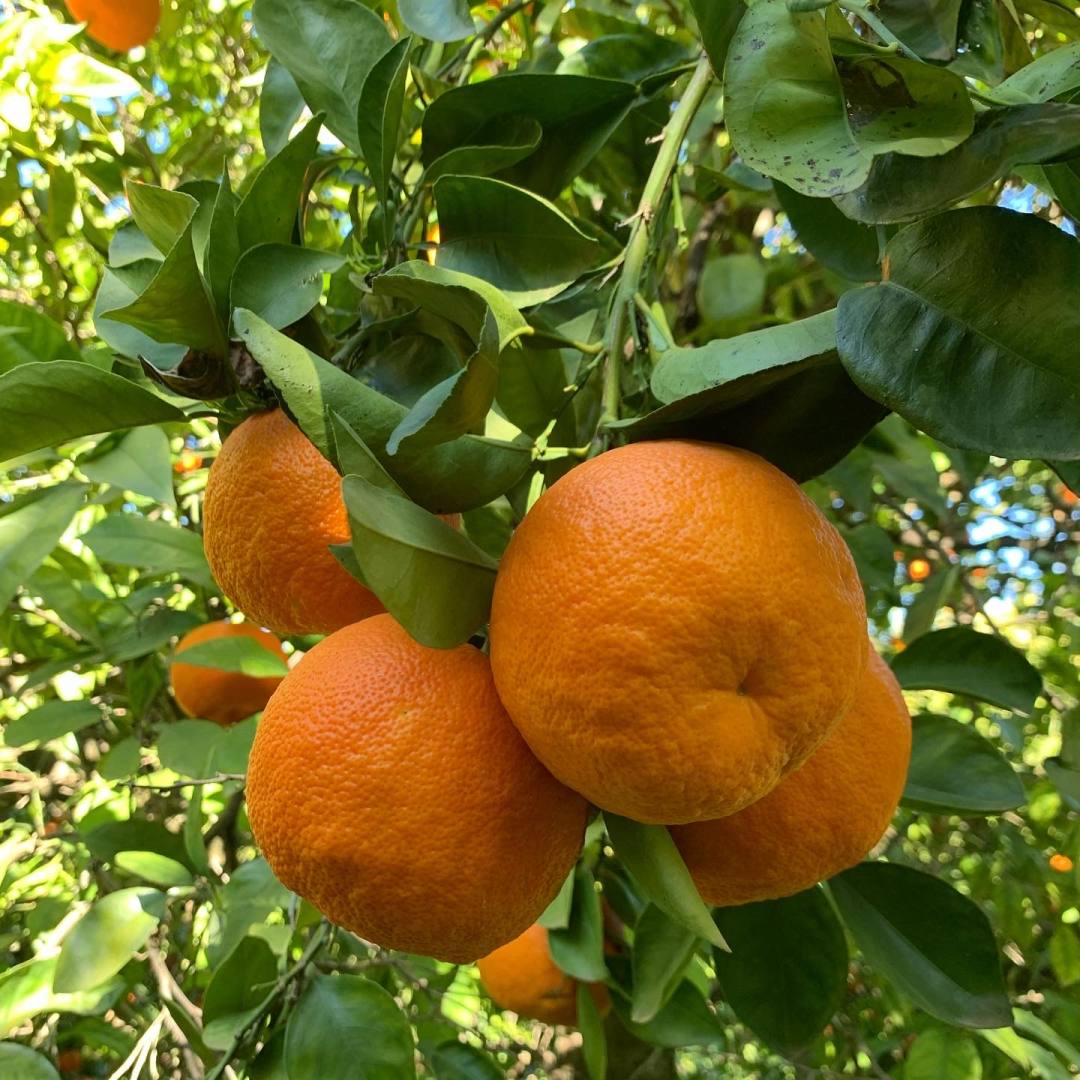
In the sun-drenched streets of Seville, a curious phenomenon unfolds—an act of nature that defies expectations and invites intrigue. The streets are adorned not merely with cobblestones and historic architecture, but also with the vibrant, vivid orange trees that perfectly encapsulate the essence of this magnificent city. As you meander through the atmospheric plazas and narrow lanes, you may wonder, “Which fruit grows on the streets of Seville?” The answer is none other than the evocative Seville orange, a fruit that holds cultural significance, culinary potential, and historical resonance.
The Seville orange (Citrus aurantium) is a citrus variety distinctly characterized by its bittersweet flavor, contrasting significantly with the sweetness of the more commonplace dessert oranges. While its visual appeal—plump, bright orange orbs contrasting against lush green foliage—is undeniable, the allure of the Seville orange extends far beyond mere aesthetics. Renowned for their use in marmalade, flavoring liqueurs such as triple sec, and various culinary applications, these fruits invite a multifaceted exploration of their role in local and global contexts.
To truly appreciate the significance of the Seville orange in Seville, one must delve into its rich history. Originating from Southeast Asia, this fruit made its way to the Iberian Peninsula in the early Middle Ages, facilitated by trade and cultural exchanges between Arabs and Europeans. The remarkable adaptability of the Seville orange to the Mediterranean climate ensured its proliferation, resulting in the establishment of vast orchards throughout southern Spain. The fruit’s utilitarian qualities soon positioned it as an integral component of regional gastronomic traditions, earning its place in local folklore, literature, and art.
However, it is not merely its history that captivates but also its current role within the urban landscape. The presence of Seville oranges in the streets is an emblematic representation of the city’s identity. The trees that line the boulevards were initially cultivated not solely for their fruit but for the fragrant blossoms (known as azahar) that perfume the air in spring. The intoxicating aroma, which is synonymous with the arrival of warmer months, serves as a reminder of nature’s majesty amidst the hustle and bustle of urban life.
As the seasons progress, the Seville oranges transform from bright blossoms into fruit-laden boughs. Yet, it is essential to recognize that the majority of these oranges remain unharvested, serving primarily ornamental and ecological purposes. This peculiarity piques curiosity and invites inquiry into the reasons behind this apparent waste. Unlike their sweeter counterparts, Seville oranges are not typically consumed fresh due to their tartness and bitterness. Instead, they find their calling in the culinary realm, where they are transformed into delectable marmalades, infused into sauces, and used in various confections. Each fruit embodies a connection between the past and present, both as a product of nature’s whimsy and a testament to human innovation.
The virtue of the Seville orange extends beyond mere utility, as it also holds great significance for local ecosystems. The trees provide a habitat for various bird species and pollinators, contributing to biodiversity within the urban environment. Additionally, their presence helps to mitigate urban heat, offering a breath of fresh air in the sun-soaked city. The symbiotic relationship between the Seville orange and the landscape illuminates the broader ecological implications of urban horticulture.
Moreover, a stroll through the streets of Seville unveils an interplay between tradition and modernity, as the fruit has found its way into contemporary culinary enterprises. Local chefs—innovators and preservationists alike—experiment with the tart essence of Seville oranges, crafting culinary delights that challenge perceptions of what this fruit can contribute. From savory dishes garnished with bursts of citrus to artisanal pastries infused with its zesty notes, the Seville orange sharpens the palate’s awareness, encouraging a deeper appreciation for localized cuisine.
The enduring legacy of the Seville orange compels us to consider the broader implications of agricultural practices within urban centers. As urbanization continues to expand, the preservation of fruit-bearing trees like the Seville orange can serve as a vital reminder of our connection to nature and the importance of sustainability. Initiatives aimed at urban greening and local sourcing exemplify a growing movement toward harmonizing city living with ecological mindfulness. Through the lens of the Seville orange, we are invited to challenge preconceived notions about urban landscapes and embrace a vision of interconnectedness.
In conclusion, the fruit that flourishes on the streets of Seville, the Seville orange, transcends its role as just another botanical entity. It is a vibrant symbol of history, culture, and ecological awareness. The Seville orange invites curiosity, sparking dialogues about our relationship with food, urbanization, and sustainability. Its presence in the city serves as a testament to nature’s capacity to coexist alongside human progress, offering a rich narrative that urges us to reconsider both our culinary practices and our environmental endeavors. In a world that often seems disconnected from nature, the modest Seville orange stands as a beacon of possibility, illuminating the path toward a more integrated future.

Leave a comment