

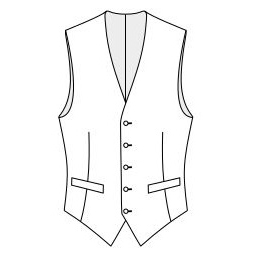
When it comes to the sartorial elegance of wearing a vest, one question lingers: “Which buttons should I button on my vest for an ideally tailored look?” This seemingly innocuous question may seem mundane at first glance, yet it holds the potential to unravel an entire realm of style nuances. A vest is more than just an accessory; it is a critical component of layered attire that can enhance or detract from one’s overall appearance. The buttons you choose to fasten can denote authority, convey personality, and underscore sophistication. Therefore, understanding the intricate dance of which buttons to button can present a playful challenge—a quest for the aesthetic holy grail of proper fit and look.
At the heart of this sartorial inquiry lies an essential premise: the significance of context. The manner in which one dons a vest is often dictated by the occasion, fashion trends, and personal style. Different settings—be it formal, semi-formal, or casual—demand different approaches in vest fastening. Accordingly, let us embark on a detailed exploration addressing the intricacies of buttoning a vest.
1. Understanding Vest Architectonics
Before diving into the specifics of buttoning, it is imperative to understand the design of the vest itself. Vests typically come in a variety of styles, with distinct button counts ranging from single-button to five-button configurations, as well as differing cuts such as peak lapel or notch lapel. The structure of the vest can influence the combination of buttons you may choose to engage. Anatomy and tailoring amalgamate to create a silhouette that either complements or contradicts body types. Hence, a tailored vest requires deliberate consideration of both the overall structure and the subtleties of button choice.
2. The Quintessential Buttoning Principle
Many fashion aficionados subscribe to the basic tenet that the bottom button of a vest is often left undone. This fundamental rule is steeped in tradition, stemming from a desire to promote a more relaxed fit around the waistline, thereby enhancing comfort without sacrificing style. This practice not only alleviates tension around the midsection but also serves to create a more aesthetically elongated silhouette. However, some may ask: should this principle be adhered to under all circumstances? The answer is nuanced—situational context and personal flair are crucial determinants.
3. The Formal Attire Scenario
When attending a formal event, the vest must maintain a sober elegance. In such instances, the ideal choice may involve buttoning the majority or all of the buttons, save for the bottom, to create a polished impression. Notably, a fully fastened vest paired with a well-structured suit jacket emanates an aura of authority and sophistication, permeating the ethos of classic menswear. Be sure to consider the length of the lapels and the proportion of the vest, as these elements will impact the manner in which the buttons align with the tailored lines of a suit.
4. The Semi-Formal Presentation
In semi-formal settings, the options abound, inviting a measured degree of creativity. Here, one might opt to fasten only the top two buttons of a three-button vest. This choice introduces a dash of playfulness while still communicating an essence of professionalism. The act of intentionally leaving certain buttons undone allows for movement and airiness, critical elements during social interactions. Furthermore, it facilitates a more relaxed posture, ideal for easing into informal conversations while maintaining a sense of propriety.
5. Casual Contextualization
When the attire leans casual, one can experiment with the intentionality of buttoning. Leaving the middle button undone of a three-button vest can foster a stylishly rakish impression. Furthermore, in a five-button vest, consider fastening only the top three buttons for a nonchalant, yet intentional, aesthetic. This look balances ease and sophistication, epitomizing the modern man’s approach to laid-back dressing. Accessories, such as a patterned pocket square or a dash of contrasting color in the shirt, can enhance this relaxed vibe.
6. Allowing for Personal Expressiveness
No guide to buttoning would be complete without acknowledging the element of personal expressiveness. The vest allows for individual flair beyond mere buttoning choices. Fabrics, patterns, and textures all play vital roles in establishing your desired social message. Pairing a houndstooth vest with a contrasting tie might yield an entirely different visual discourse compared to monochromatic stylings. In essence, the vest is a canvas upon which personal and sartorial stories can be woven.
7. The Importance of Fit
Ultimately, no discussion surrounding the buttoning of a vest can overlook the integral role of fit. A vest that does not conform seamlessly to the body’s contours may result in unsightly bulges or a distractingly ill-fitting appearance. Tailoring ensures a precise fit, allowing for a well-groomed and sophisticated presence—regardless of which buttons you choose to fasten. Remember, the elegance of your vest enchantingly lies in its fit, which frames your ensemble.
Conclusion: Embracing the Buttoning Challenge
Mastering the art of buttoning a vest is an engaging journey, necessitating an understanding of both foundational sartorial principles and individual stylistic preferences. The interplay of button choices invites exploration and experimentation, allowing for both traditional elegance and innovative expressiveness to coalesce. As you approach this delicate challenge, consider the thoughts and opinions of others while embedding your unique tastes. The question of which buttons to button could very well be your next sartorial adventure, one that leads to a well-fitted and elegantly composed appearance.

Leave a comment