

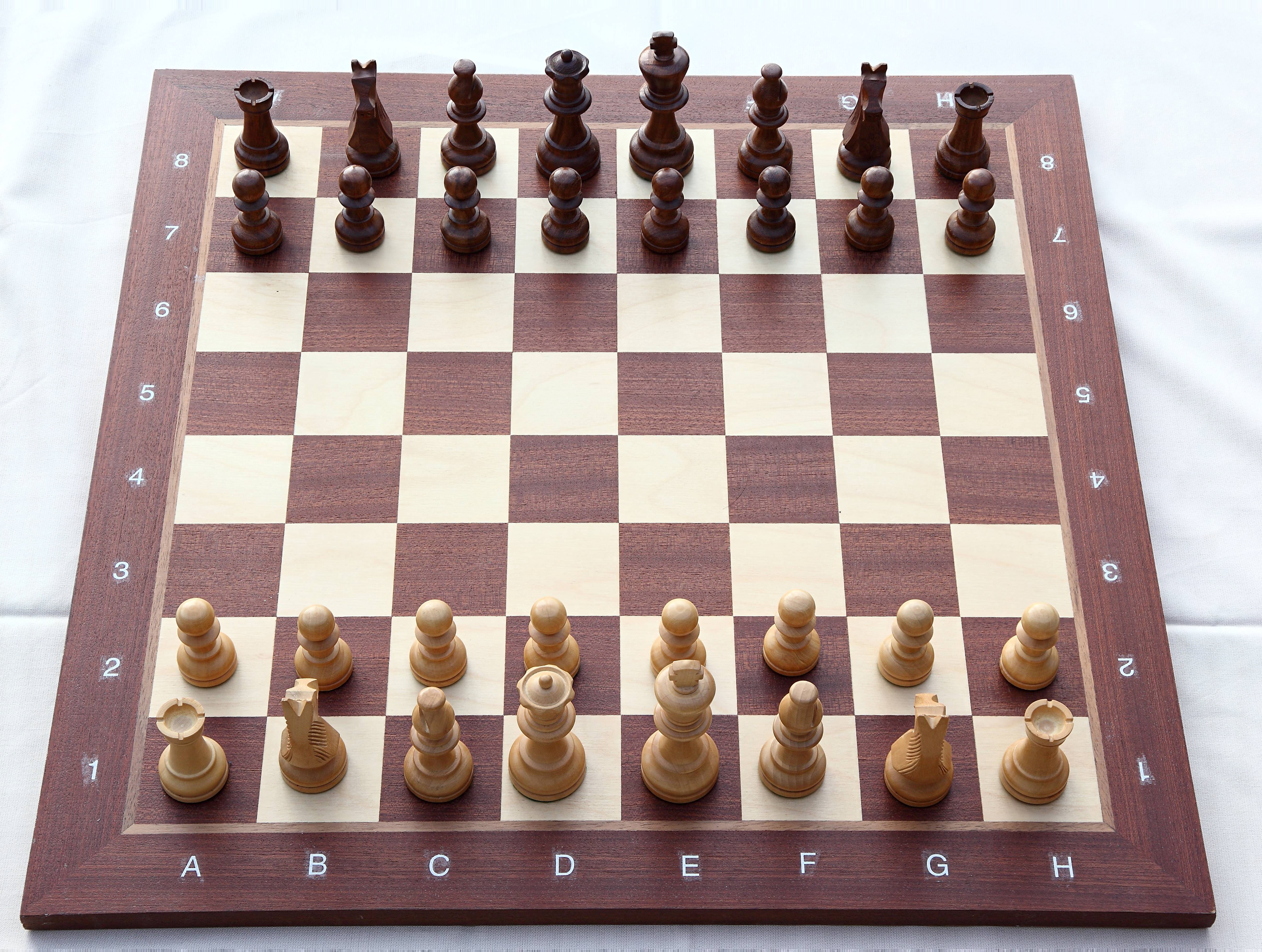
The game of chess has long captivated intellectual minds and strategy enthusiasts alike. Each chess piece transcends mere wood or plastic, embodying nuanced characteristics reminiscent of human personalities. This article invites readers to delve into the symbolic representations of the chess pieces, posing the question: “Which chess piece are you?” Understanding the intrinsic qualities attributed to each chess piece may unveil the complexities of our own personas and strategic inclinations.
The Pawn: The Silent Strategist
Pawns are often perceived as the most unassuming and simplistic pieces on the board. They advance with modest strides, embodying resilience and unyielding perseverance. Beneath their straightforward exterior lies profound symbolism; a pawn’s potential to transform into any piece upon reaching the opponent’s back rank mirrors a deeply rooted human desire for evolution and growth. Those who identify with the pawn may be viewed as steadfast and determined individuals, capable of realizing their aspirations through sheer tenacity.
Furthermore, the pawn represents the collective strength generated through cooperation. Just as multiple pawns can form a formidable front, individuals with pawn-like attributes may thrive in collaborative environments, finding empowerment in teamwork and communal efforts. The essence of the pawn underscores the importance of patience and strategic positioning, serving as a reminder that even the most modest beginnings may culminate in extraordinary outcomes.
The Rook: The Steadfast Guardian
Rooks are the titans of the chessboard, often characterized by their unwavering strength and ability to traverse vast distances. They embody stability and protection, often serving as the pillars upon which strategic plans are built. Those who align with the rook may possess qualities of reliability, demonstrating a natural inclination to assume leadership roles and safeguard their companions.
The rook’s ability to control open files and penetrate the opponent’s defenses represents a strategic mindset that values foresight and calculated risk-taking. Such individuals are often drawn to assertive roles in their personal and professional lives, where they can exert influence and enact positive change. Emblematic of guardianship, the rook remains steadfast in the face of adversity, providing unwavering support to those in need.
The Knight: The Unconventional Thinker
No piece epitomizes eccentricity and creativity quite like the knight. With its unique L-shaped movement, the knight defies conventional strategy, maneuvering around obstacles in ways that other pieces cannot. Individuals who empathize with the knight are often characterized by their imaginative and unorthodox approaches to problem-solving. They embrace complexity, thriving in situations requiring out-of-the-box thinking.
The knight’s enigmatic journey across the board reflects a willingness to embrace chaos while maintaining focus on overarching objectives. Such individuals are often inclined to take calculated risks, employing intuition and instinct to navigate life’s obstacles. In their social interactions, knight-like personalities exude charm and unpredictability, engaging others with their multifaceted perspectives and diverse interests. The knight serves as a testament to the power of innovative thought in a world often dominated by rigid conventions.
The Bishop: The Diplomatic Strategist
With its graceful diagonal movements, the bishop epitomizes adaptability and nuanced understanding. This piece excels in navigating the complexities of different terrains and positions—a metaphor for those who possess a knack for negotiation and collaboration. Bishops embody the ideals of empathy and intuition; they often strive to find common ground between seemingly disparate parties.
Bishop-like individuals are adept at reading situations and sensing underlying tensions, allowing them to tactfully influence outcomes. Their capacity to approach conflict with grace and diplomacy enables them to foster harmony in both personal and professional spheres. This piece exemplifies the importance of emotional intelligence and the ability to see beyond black and white, advocating for compromise and thoughtful resolution.
The Queen: The Dynamic Powerhouse
The queen reigns supreme on the chessboard, characterized by unparalleled mobility and versatility. She represents authority, empowerment, and the ability to adapt to a multitude of scenarios. Individuals who resonate with the queen may exhibit leadership qualities, often commanding respect and influencing others with confidence and finesse.
The queen’s multifaceted capabilities allow her to play an integral role in both offensive and defensive strategies, exemplifying balance and fluidity in her approach. Such personalities may thrive in multifarious environments, demonstrating agility and responsiveness to the demands of their surroundings. However, the queen’s strength also serves as a cautionary reminder of the potential consequences of unchecked power. The delicate interplay between influence and responsibility plays a vital role in the queen’s symbolic representation.
Conclusion: The Chessboard of Personality
Chess, as a microcosm of life, serves as an intricate framework for understanding individual personalities and strategic inclinations. Each piece embodies distinct traits, illuminating the diverse ways in which we navigate challenges and relationships. Whether one feels a kinship to the steadfast rook, the unconventional knight, or the dynamic queen, the game of chess offers profound insights into our identities. By understanding the allure and significance of these characters, we may not only gain greater self-awareness but also enriching perspectives on the interpersonal dynamics that shape our lives.

Leave a comment