

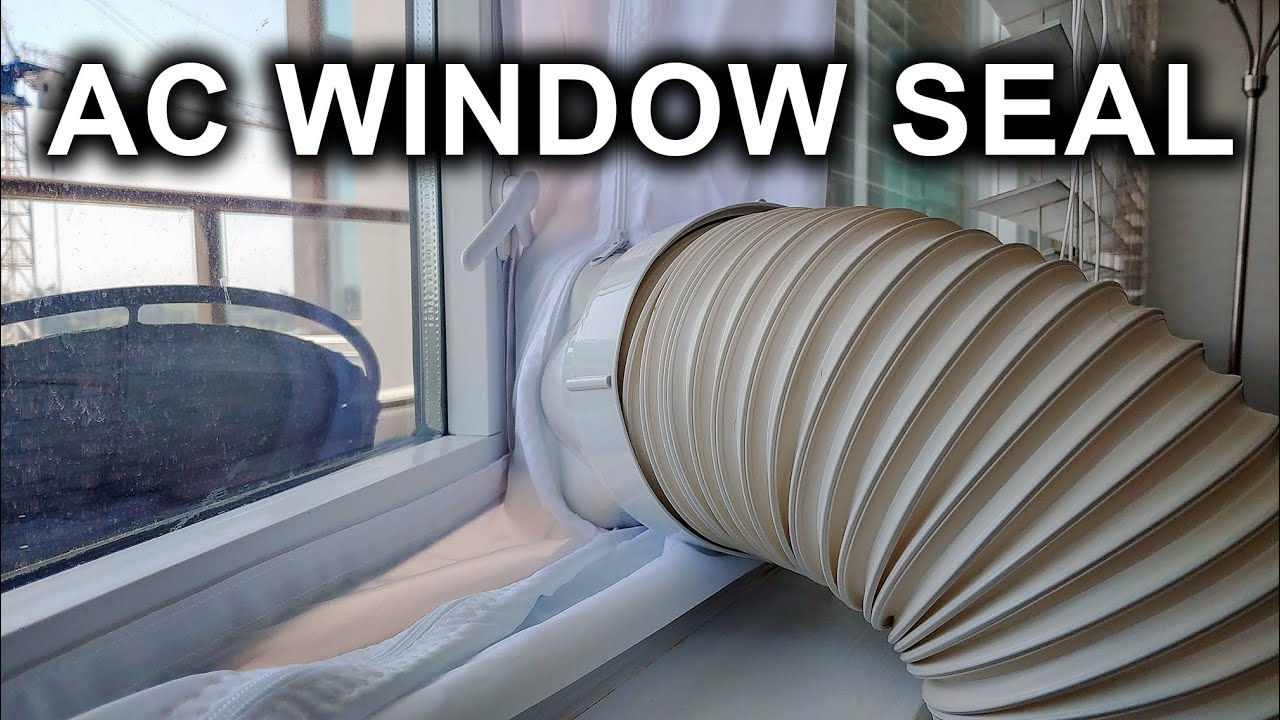
The question of which cooling system reigns supreme—window air conditioners or portable air conditioners—invites a thorough exploration of their respective efficiencies, functionalities, and overall user experiences. In an era marked by escalating climate demands and shifting consumer preferences, understanding the nuances between these two popular refrigeration methods is imperative for optimal home comfort. This comparative analysis delves into various facets, including cooling performance, installation complexity, energy efficiency, mobility, and cost, presenting a holistic view to facilitate an informed decision.
To commence, it is fundamental to consider cooling performance, as it constitutes the main criterion for consumers seeking relief from oppressive heat. Window air conditioners, typically capable of displacing air over a larger area, often boast higher British Thermal Units (BTUs) than portable counterparts. This aspect allows them to cool rooms more efficiently, particularly larger spaces. In contrast, portable air conditioners, while convenient for transient cooling needs, can struggle in vast areas, often necessitating longer operational hours to achieve comparable temperatures. The placement of the unit also plays a crucial role; window air conditioners are strategically designed to take advantage of the external air, leading to superior thermal exchange and heightened efficiency.
Further contemplation must be given to installation complexity. Window air conditioners generally require a more involved setup process. They typically necessitate window modifications and secure positioning to optimize performance. This may involve tools and technical skills, which can dissuade users who prefer quick solutions. Conversely, portable air conditioners offer a plug-and-play convenience. Most models require minimal assembly and can quickly be moved from one location to another, instilling a sense of flexibility that many homeowners cherish. This ease of use is particularly appealing for rental properties or multi-use spaces where permanent installations may be logistically unfeasible.
Energy efficiency represents another pivotal point of distinction. In the realm of energy consumption, window air conditioners often take the lead, particularly when evaluated on a BTU-per-watt basis. The robust design allows for prolonged operation without extensive energy expenditure, making them suitable for eco-conscious consumers aiming to mitigate electricity bills. On the contrary, portable air conditioners frequently consume more power to produce equivalent cooling output, particularly due to their reliance on internal fans for air circulation. This discrepancy may result in unanticipated spikes in energy costs, leading to frustration for the budget-minded homeowner.
Mobility, an essential feature in our increasingly dynamic living environments, significantly differentiates these two options. While window units remain fixed and immutable, portable air conditioners excel in their adaptability. Users can transition these units from room to room with ease, accommodating varying cooling needs throughout the day. This advantage is especially beneficial in scenarios where temporary cooling is required, such as during gatherings or overnight guests. Nevertheless, while the allure of mobility is evident, this convenience must be weighed against cooling efficacy, particularly in larger homes.
Considering operational noise levels, the dichotomy grows increasingly pronounced. Window air conditioners typically engage larger compressors, which can generate substantial sound. However, advancements in technology have produced quieter models, thereby enhancing the overall user experience. Conversely, portable air conditioners, reliant on smaller fans and often emitting higher decibel levels, may disrupt the tranquility of a space. For sensitive environments, such as bedrooms or quiet home offices, the consistent drone from a portable unit can become a significant annoyance. Therefore, potential users should meticulously evaluate their sound tolerance against the intended application of the air conditioning unit.
The economic aspect cannot be overlooked. Initial purchase prices for portable air conditioners can sometimes seem appealing, reflecting a lower entry cost compared to window units. However, prospective buyers should take into account the total cost of ownership, which includes installation fees, energy consumption, and maintenance. Window air conditioners may present a higher upfront investment but can prove to be more economical over time due to enhanced durability and efficiency. Potential buyers should meticulously calculate long-term expenditures to avoid unforeseen financial burdens down the road.
In light of the intricate features discussed, an overarching narrative emerges regarding consumer preferences. The choice between window and portable air conditioners often hinges not solely on performance metrics but on personal lifestyle and situational demands. The allure of portability may captivate those living in transient accommodations or requiring flexibility for cooling, while the steadfast performance of a window unit will appeal to those with fixed residential contexts and specific cooling needs. Hence, it is essential for consumers to introspect upon their priorities and habits before making a definitive choice.
To summarize, both window and portable air conditioners possess distinct advantages and disadvantages, establishing a complex framework for selecting the optimal unit for individual circumstances. While window air conditioners offer superior cooling efficiency and cost-effectiveness in stable settings, portable units provide essential flexibility and convenience. Through this multidimensional examination, the interplay of user diversity, environmental considerations, and innovative technology can shape the decision-making process, ultimately allowing households to attain the cooling efficiency necessary for comfort in an increasingly variable climate.

Leave a comment