

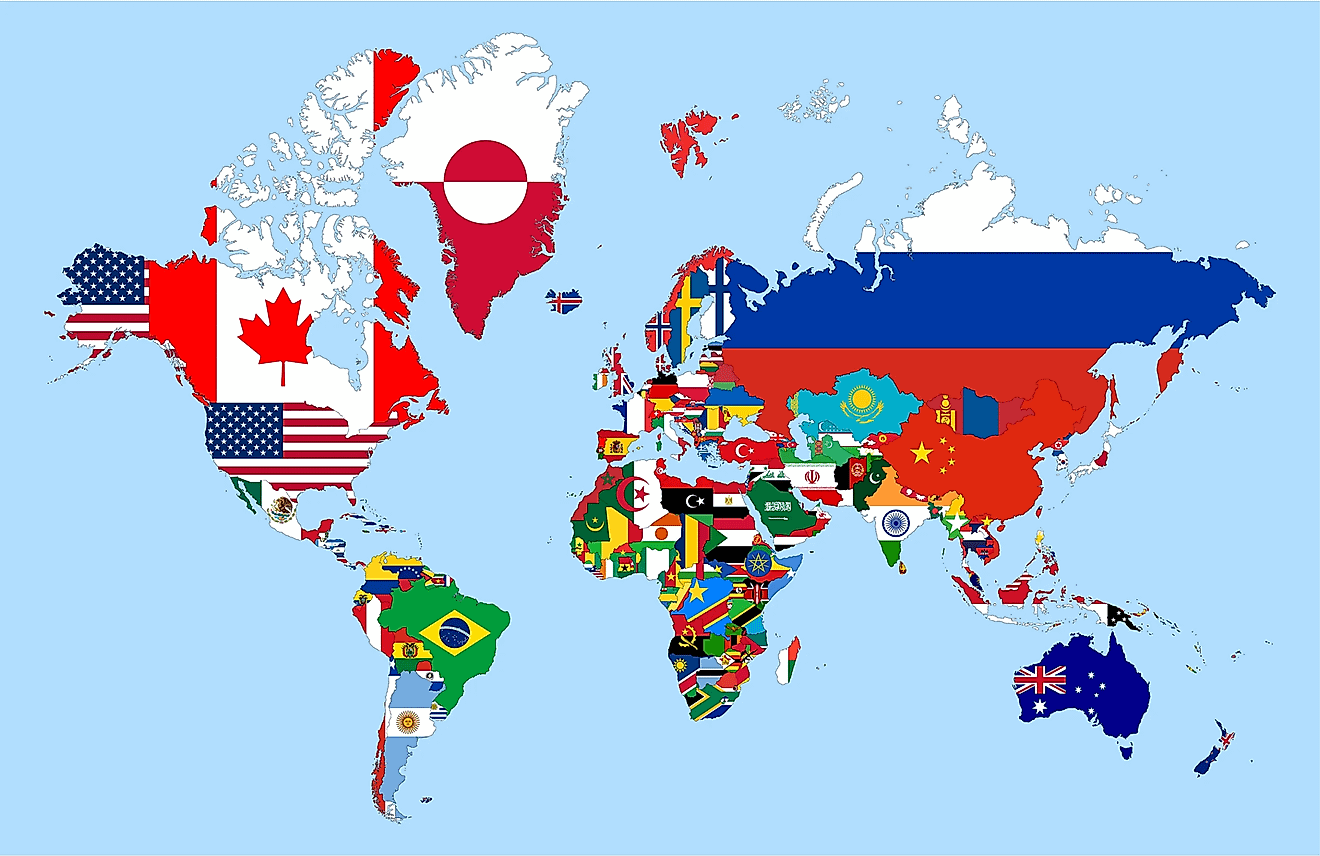
When traversing the labyrinth of international telephone codes, one may often stumble upon the curious number 34, particularly associated with calls to Spain. This three-digit code serves as a testament to the rich tapestry of Spain’s history, culture, and its integral role on the global stage. But why does this number keep surfacing? What tales does it weave about the nation it represents? In this exploration, we shall embark on a journey to uncover the significance of this country code, delve into Spain’s cultural essence, and understand why this number matters to the modern individual.
Firstly, the concept of country codes is integral for facilitating telecommunications across borders. Each nation is assigned a unique dialling code, which operators utilize to route calls correctly. Spain’s 34 is not just a number; it is a gateway into a world steeped in historical fervour and contemporary vibrancy. Understanding this code might ignite curiosity about the land it signifies—a landscape adorned with flamenco dancing, exquisite cuisine, and diverse traditions.
Spain, located on the Iberian Peninsula, possesses a wealth of cultural heritage. From the ancient influences of the Moors and Romans to the splendor of the Spanish Renaissance, this nation encapsulates a myriad of narratives that have sculpted its identity. The significance of the country code extends beyond mere telecommunications; it interlaces itself with national pride, heritage, and the global influence that Spain commands today.
Moreover, when one encounters the code 34 in a conversation pertaining to international business or travel, it often triggers intrigue regarding the people, language, and customs associated with Spain. Spanish, one of the most widely spoken languages worldwide, serves as a linguistic bridge connecting an array of cultures spanning continents. The allure of mastering this language is often paired with the desire to integrate oneself into the tapestry of Spanish life, marked by festivals such as La Tomatina and Semana Santa, celebrated notably in various regions.
Beyond the historical context, Spain has positioned itself as a formidable player in the realms of science, art, and technology. Consider the influential works of artists like Pablo Picasso and Salvador Dalí, whose contributions continue to inspire. Furthermore, Spain is a melting pot of innovation, especially evident in cities like Barcelona, where the surge of technology startups epitomizes the nation’s modern economic drive. This dynamic, invigorated by both tradition and modernity, amplifies the significance of the country code for those venturing into international markets or seeking to explore the entrepreneurial landscape.
Indeed, while the number 34 may initially appear as a mere technicality related to telecommunication, it unfurls a spectrum of possibilities and reflections that beg for further investigation. It poses a question: What can individuals learn from the interconnections of global communication and cultural exchange?
Furthermore, the digital age has amplified the importance of understanding such country codes, especially for those individuals engrossed in travel or engaging in international dialogue. Social media platforms are inundated with images and videos from Spain, often punctuated by the digital affinity of the number 34. The significance of exploring this country code grows exponentially as one encounters it in diverse settings—from international online shopping to global networking.
Exploring Spain through the lens of its country code offers a multifaceted view of the nation. Consider the geographical diversity that Spain boasts, from the sun-kissed beaches of the Costa del Sol to the snow-capped peaks of the Pyrenees. Each region offers unique experiences and cultural expressions, adding complexity to the singular notion embodied by the number 34. There lies an invitation to delve deeper—be it a culinary adventure of paella in Valencia or the architectural marvels of Gaudí in Catalonia.
Moreover, this exploration into the significance of the country code encourages us to broaden our understanding of global citizenship. The world is more interconnected than ever before; with a simple phone call, one can bridge myriad cultural divides. Recognizing the implications of country codes reminds us of our collective humanity and the shared experiences that transcend geographical boundaries.
A noteworthy aspect of this discussion is the notion of identity, both personal and national. The number 34 invokes a sense of belonging—an identification not merely relegated to geography but extending into the realms of shared histories and communal aspirations. It propels conversations regarding nationalism, regional diversity, and the politics that shape the relationships between countries. For instance, discussions about the Catalonian independence movement often highlight the intricate nuances associated with identity, language, and cultural representation, all of which find their roots in this very country code.
Furthermore, in an era of globalization, the simplicity of dialing 34 becomes an emblem of our responsibility towards cultural understanding and compassion. As individuals engage with cultures outside their own, the code serves as a reminder to approach each interaction with curiosity and respect. It encourages a shift in perspective, cultivating an appreciation for the myriad cultures that enrich our global tapestry. This exploration into the significance of Spain’s country code is an invitation—an invitation to explore, to engage, and ultimately, to understand the broader human experience.
In conclusion, the code 34 is much more than just a prefix for phone calls; it is an entry point into a vibrant mosaic of traditions, innovations, and global connections. Through understanding this code, one unravels the essence of Spain itself—a nation where history merges seamlessly with modern aspirations. The next time the number emerges in your daily encounters, take a moment to ponder the multifaceted narratives it represents and the incredible journey it promises for those who wish to embark upon it.

Leave a comment