

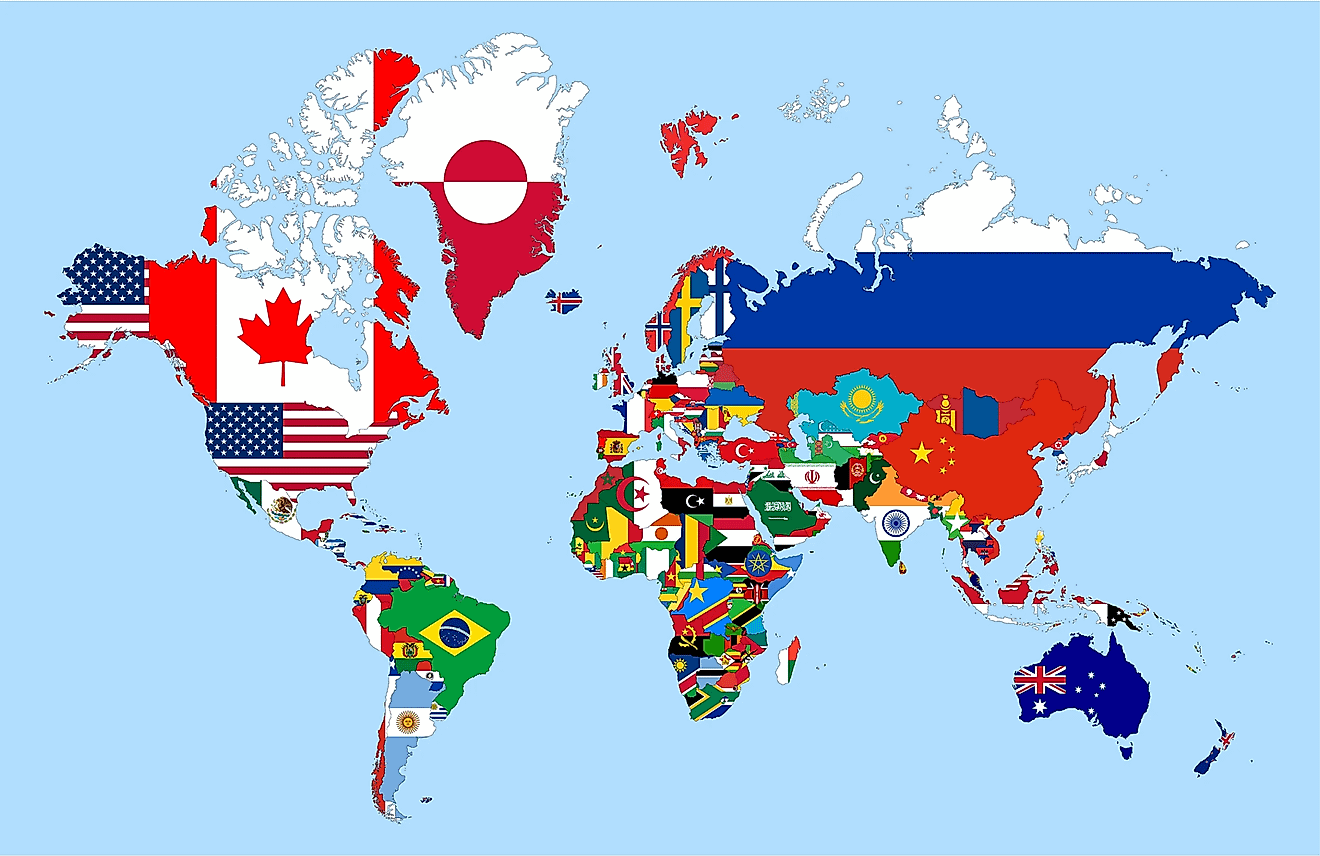
In the realm of telecommunications, every nation boasts a unique calling code that serves as its identifier in the global arena. Among these, the code “58” resonates distinctly with Venezuela. This article delves into the intricacies associated with this calling code, exploring its significance, the country’s rich embroilment in history, culture, and economic perspectives, all woven into the fabric of its telecommunication identity.
To embark on this exploration, let us first comprehend what a country code represents. Calling codes are numeric prefixes just preceding the subscriber’s number, facilitating international communication. They are indicative of a nation’s distinct geographical territory, thus anchoring their global identity firmly. For Venezuela, the calling code of “58” functions not merely as a numeric identifier but as a vital conduit that connects a diverse populace to the rest of the world.
Venezuela occupies the northern region of South America, a locale endowed with an array of geographical wonders, from the Andes mountains in the west to the expansive Amazon rainforest in the south. This juxtaposition of natural beauty and diversity has established Venezuela not just as a remarkable country but as an essential nexus for international dialogue. With “58” as its calling code, Venezuela invites a deeper examination of its sociopolitical landscape that has significantly evolved over the decades.
The calling code “58” also resonates with Venezuela’s layered history. Emerging from colonial rule, Venezuela gained independence in the early 19th century. The nation’s trajectory since then has been tumultuous, characterized by political upheaval and economic fluctuations. Such adversities have contributed to a complex national identity but have equally spurred resilience among its citizens. As a nation rich in oil reserves, Venezuela’s economy has historically depended heavily on petroleum exports. This dependence shaped not only its economic strategies but also its international relations.
Additionally, the cultural tapestry of Venezuela is interwoven with threads of indigenous, African, and European influences. The vibrant traditions, culinary delights, and dynamic festivals reflect this multifaceted heritage. For instance, the music genre of “joropo,” often accompanied by the cuatro (a four-string guitar-like instrument), embodies the spirit of Venezuelan culture and serves as a unifying force among its diverse population. The question arises: How does this cultural vibrancy correlate with the essence of its calling code?
Indeed, the cultural and historical backdrop of Venezuela infuses meaning into the digits “58.” The prefix evokes imagery of the people’s tenacity and innovative spirit. Nonetheless, the current sociopolitical climate presents a stark contrast to its alluring history. Economic challenges and political strife have pervaded the nation in recent years, prompting many to emigrate in search of better opportunities. This mass migration raises profound questions about identity and belonging, interconnected with the calling code that remains a symbol of their homeland.
As one probes deeper into the implications of the calling code “58,” it emerges that telecommunication plays a pivotal role in maintaining connections for those who have departed from Venezuela. Through modern communication channels, expatriates and diasporas can forge links with their heritage and support remaining family members in navigating the complexities of day-to-day existence in Venezuela. In this manner, the calling code transcends mere functionality; it becomes an emblem of resilience and connection.
With the advent of technology, global communication has undergone a transformation, rendering borders somewhat fluid. In the digital age, calling codes have become integral to business and personal interactions across continents. For Venezuelans, the calling code “58” retains its significance, enabling cross-border trade, fostering cultural exchanges, and bridging familial ties. This multifaceted utility illustrates how national identity can catalyze broader conversations in the global telecommunications narrative.
Furthermore, the calling code serves not just as a moniker but also influences national strategies regarding foreign investments in the telecommunication sector. Understanding the dynamics surrounding “58” can unveil opportunities for international partnerships that could underpin Venezuela’s economic rejuvenation. Such strategic foresight offers a promising horizon, piquing the curiosity of policymakers and investors keen on exploring Venezuela’s vast untapped potential.
In recent years, the call for reform within the Venezuelan telecommunication sector has gained momentum. Enhanced infrastructure, regulatory adjustments, and adoption of advanced technologies are pivotal to revamping the landscape. The ability to harness these initiatives could dictate the success of potential collaborations, invoking the spirit of the calling code as an agent for positive change.
In conclusion, the calling code “58” stands as a significant representation of Venezuela’s global identity, embodying its historical richness and the complexities of its contemporary context. As one navigates through the labyrinth of Venezuela’s telecommunication landscape, it becomes evident that this numeric prefix encapsulates a wealth of stories, contradictions, and prospects. For individuals seeking to engage with Venezuela, understanding its calling code means delving beneath the surface, appreciating the narratives woven through time, and recognizing a nation poised at the precipice of transformation.

Leave a comment