

“Demon Slayer: Kimetsu no Yaiba” has captivated audiences globally with its compelling narrative and beautifully crafted characters. A particularly intriguing aspect of the series is the ensemble of Hashira, the elite warriors of the Demon Slayer Corps. Each Hashira embodies distinct qualities, fighting styles, and philosophies, making it an engaging exercise to determine which Hashira resonates most with one’s personality. This article endeavors to explore the various Hashira, their unique attributes, and provide insight into how these characteristics might reflect one’s own persona.
The first Hashira that commands attention is the formidable Kamado Tanjirou, the Water Hashira. Tanjirou epitomizes compassion and resilience. He possesses a moral compass that remains unwavering even in the face of adversity. His Water Breathing techniques signify adaptability and fluidity, which can mirror individuals who navigate life’s adversities with grace. If you find yourself often extending kindness in a harsh world, or if you believe in the importance of empathy and understanding, you may relate closely to Tanjirou’s ideals.
Next in this pantheon is Shinobu Kocho, the Insect Hashira. Unlike her counterparts, Shinobu employs agility and cunning rather than sheer strength. Her methods, infused with scientific knowledge regarding poisons, reflect a meticulous and strategic mindset. Those who approach life analytically, preferring to outsmart rather than overpower challenges, may find themselves aligned with Shinobu. Her character underscores the importance of intellect and finesse, which can resonate deeply with individuals who value knowledge and systematic thinking.
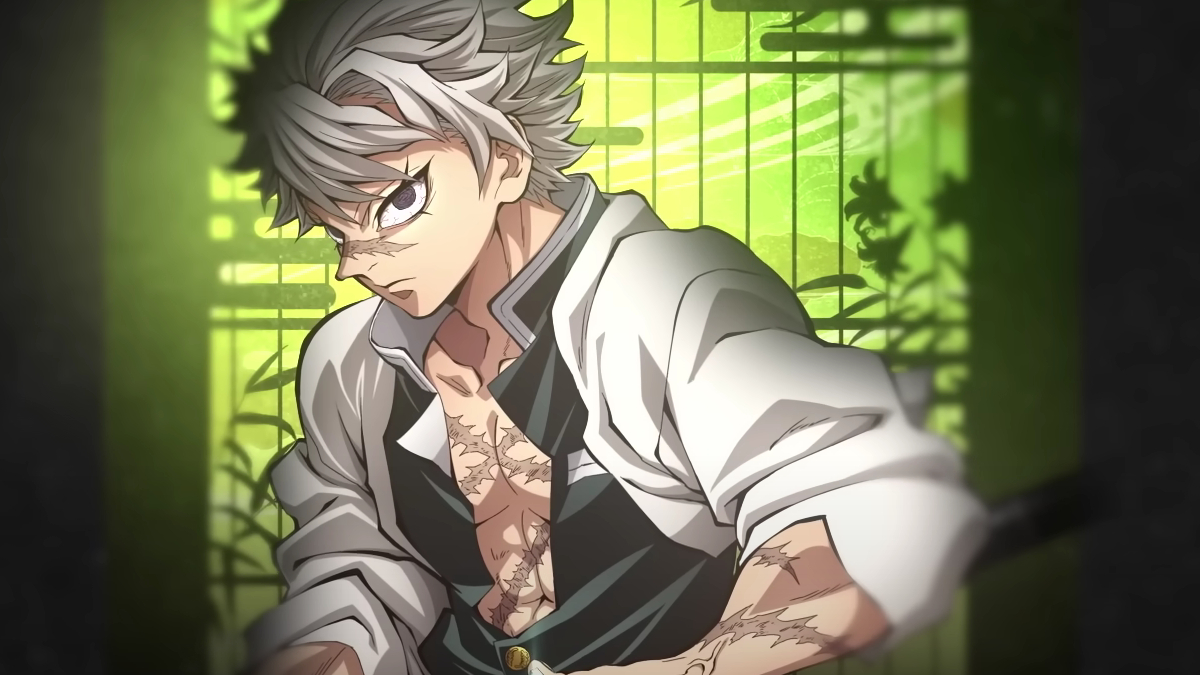
In stark contrast to both Tanjirou and Shinobu is Sanemi Shinazugawa, the Wind Hashira. Sanemi is characterized by his fierce and tempestuous nature. His combat style is aggressive, mirroring his equally volatile personality. However, beneath this exterior lies a profound sense of duty and a tragic backstory that illustrates the complexities of his character. If you identify with intensity, passion, and a somewhat tumultuous life experience, Sanemi’s essence may strongly resonate with you. His character serves as a reminder of how personal strife can fuel resolve.
Now, let us explore Kanao Tsuyuri, the Flower Hashira, whose elegance and poise stand in stark contrast to the aggression of Sanemi. Kanao embodies serenity and harmony, utilizing her Flower Breathing techniques to connect with the natural world. Her decisiveness, despite past trauma, highlights an internal strength that encourages one to find beauty, even amidst chaos. Individuals with an appreciation for aesthetics and a calm disposition may see reflections of themselves in Kanao’s tranquil yet powerful spirit.
Furthermore, consider Giyuu Tomioka, also known as the Water Hashira. Giyuu is reserved, often perceived as distant and taciturn. However, his unwavering commitment to the Demon Slayer cause and his steadfast integrity position him as a paragon of honor. If you consider yourself loyal, introspective, and perhaps shy, you may align with Giyuu’s stoic demeanor. His journey encapsulates the notion that profound strength exists in silence and contemplation.
Uzui Tengen, the Sound Hashira, introduces a flamboyant and larger-than-life personality into the mix. His penchant for showmanship and vibrant lifestyle juxtaposes his skills as a warrior. Tengen embodies vivacity and exuberance, indicating that enjoyment of life is paramount, even in perilous circumstances. If you regard life with a sense of adventure and thrive in social settings, you might resonate with Tengen’s dynamic character. His exuberance reminds us of the joy one can find despite external pressures.
Additionally, another remarkable figure is Shinazugawa Giyuu, the Stone Hashira. Giyuu is often regarded as a symbol of stoicism and steadfastness. His steadfast resolve and unwavering bravery during battles reflect individuals who exhibit extreme perseverance. For those who pride themselves on their resilience and tenacity in overcoming obstacles, Giyuu’s principles and demeanor will undoubtedly strike a chord.
Engaging with the narrative of “Demon Slayer” provides an opportunity for introspection. Understanding which Hashira mirrors aspects of one’s personality can bridge the connection between fiction and self-reflection. By examining the values and traits exhibited by each Hashira, individuals can gain insights into their own character and perhaps uncover latent strengths or preferences.
Moreover, the journey to identify with a Hashira may also serve therapeutic purposes. Engaging with these archetypes can illuminate personal struggles and victories, enabling reflection on how to approach challenges uniquely. Whether you find yourself echoing Tanjirou’s compassion, Sanemi’s intensity, or Kanao’s tranquility, recognizing these traits fosters personal growth and offers pathways for further self-exploration.
In conclusion, the Hashira of “Demon Slayer” resonate with varied attributes: compassion, intellect, resilience, and vivacity. Each character embodies a blend of strength, vulnerability, and ideology, rendering them multifaceted figures where every viewer can find a piece of themselves. Whether you see yourself as a fierce protector like Sanemi, a compassionate healer like Tanjirou, or a calculated strategist like Shinobu, the world of Hashira offers a rich tapestry reflecting the spectrum of human experience. Embracing these characters not only enriches one’s enjoyment of the series but also imparts valuable life lessons that extend far beyond the realm of anime.

Leave a comment