

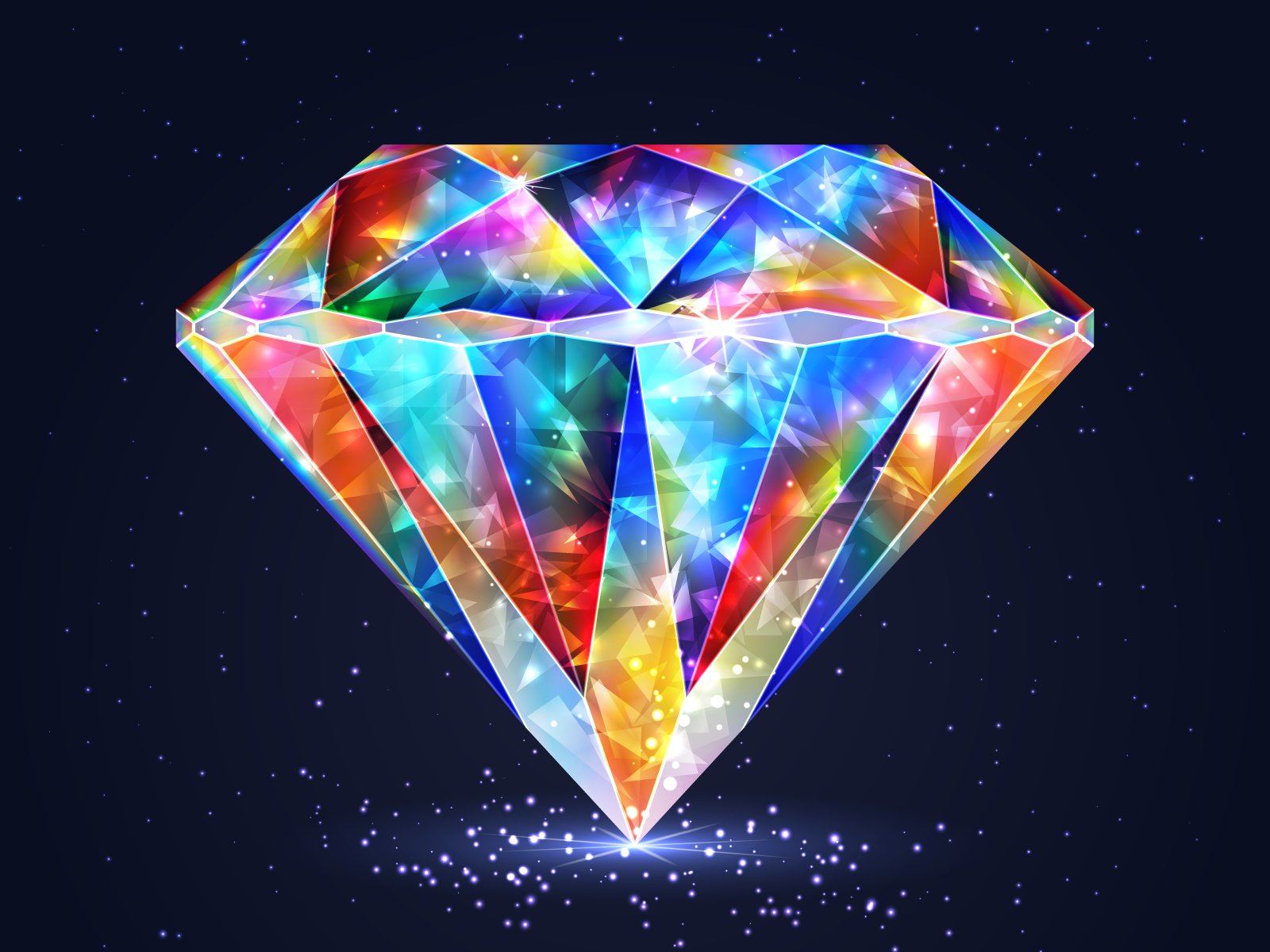
When it comes to diamonds, the allure of these gemstones transcends mere aesthetics; it intertwines with perception, psychology, and visual tricks of light. The question “Which diamond cut looks the biggest?” was once viewed through a simplistic lens, focusing solely on size. However, a nuanced exploration reveals that the cut of the diamond plays a pivotal role in dictating its perceived size. This article delves into various diamond cuts, each possessing unique attributes that can manipulate light and create optical illusions, ultimately affecting how large the stone appears on the finger or neck.
To embark on this journey, we must first understand the significance of the diamond cut itself. The diamond cut determines not just the shape but also the gem’s faceting, which directly impacts its brilliance and emotional appeal. These attributes can create an illusion of larger size, enhancing perceived weight without altering the carat content. From the classic round brilliant to the more mystical emerald cut, each has characteristics that contribute to an illusion of size.
One of the most celebrated cuts is the **Round Brilliant Cut**. This cut is renowned for its ability to refract light, resulting in unparalleled sparkle and brilliance. The round shape, with its numerous facets—typically 58—ensures that light is reflected in such a manner that it enhances the size perception. The optics are compelling; as the light hits the diamond at strategic angles, the round cut can appear larger than its actual carat weight suggests. This ideal for many seeking a visually impressive stone without an exorbitant price tag.
In contrast, the **Princess Cut** has gained immense popularity, especially among modern brides. This contemporary cut combines the brilliance of a round cut with a square outline, offering a larger surface area that can create an illusion of volume and size. The princess cut’s sharp corners and unique faceting pattern can reflect light in diversifying ways, sometimes making it appear larger and more dynamic in various lighting conditions than other cuts. For those who are enamored with the idea of both elegance and punk-edge, the princess cut presents an irresistible option.
As we explore further, the **Marquise Cut** emerges as a fascinating contender. Characterized by its elongated shape and pointed ends, the marquise cut delivers a unique optical illusion of size. By maximizing the carat weight and providing an elongated silhouette, this cut can give the impression of a larger diamond. The elongated shape can also create the effect of lengthening the wearer’s finger, offering a practical aesthetic value. This is particularly appealing for those who appreciate vintage styles or who seek a design that sets them apart.
Moving beyond traditional shapes, the **Oval Cut** presents an interesting blend of form and function. This cut inherits the brilliance of the round cut while boasting an elongated silhouette akin to the marquise. The oval diamond has the uncanny ability to appear larger relative to its carat weight, primarily due to its lengthened outline. The symmetry of the oval cut allows for a stunning play of light, making it a preferred choice for individuals wishing to balance size and aesthetics seamlessly.
The **Emerald Cut**, with its step-like facets and wide table, is a contrasting paradigm. While not traditionally perceived as the largest-cut stone, its striking clarity and clean lines can offer a sophisticated alternative. The emerald cut’s appearance can be deceptive; its elongated rectangular shape can create a visual of length while drawing attention to the diamond’s clarity. It may not dazzle with the same brilliance as round or princess cuts, but its subtlety and elegance can make it a uniquely captivating choice that appeals to those seeking understated sophistication.
Another impactful choice is the **Asscher Cut**, a variant of the emerald cut. It embodies a similar vintage charm, yet its square proportions provide an intriguing balance between width and height. With its layered facets, it plays with light in unexpected ways. Like the emerald cut, the asscher can appear larger due to the way it interacts with light. This cut is ideal for those seeking a geometric option that exploits both modern trends and a sense of nostalgia.
While examining these cuts, we must also consider the mounting and the band of the ring. Illusions of size can be amplified through strategic selection of the band thickness and style of the setting. A delicate band can make the diamond appear larger, while a bulky band may overpower a smaller stone. Furthermore, utilizing a halo setting—where smaller diamonds encircle the center stone—can create a spectacular visual effect, increasing the perceived size of the central diamond substantially.
In the realm of gemstones, size perception transcends the simple measurement of carats. The diamond’s cut plays a critical role in this illusion, aided by the interplay of light, setting, and band. Ultimately, the choice of cut can transform not only the visual impact of the diamond but its emotional resonance as well. Each cut carries a distinct personality, capable of embodying modernity, classicism, or a blend of both, allowing wearers to express their individuality. As you navigate through the choices, the quest for the largest-looking diamond should be guided by not just the aesthetic but also by the stories these cuts can tell, inviting deeper connections with each sparkle.

Leave a comment