

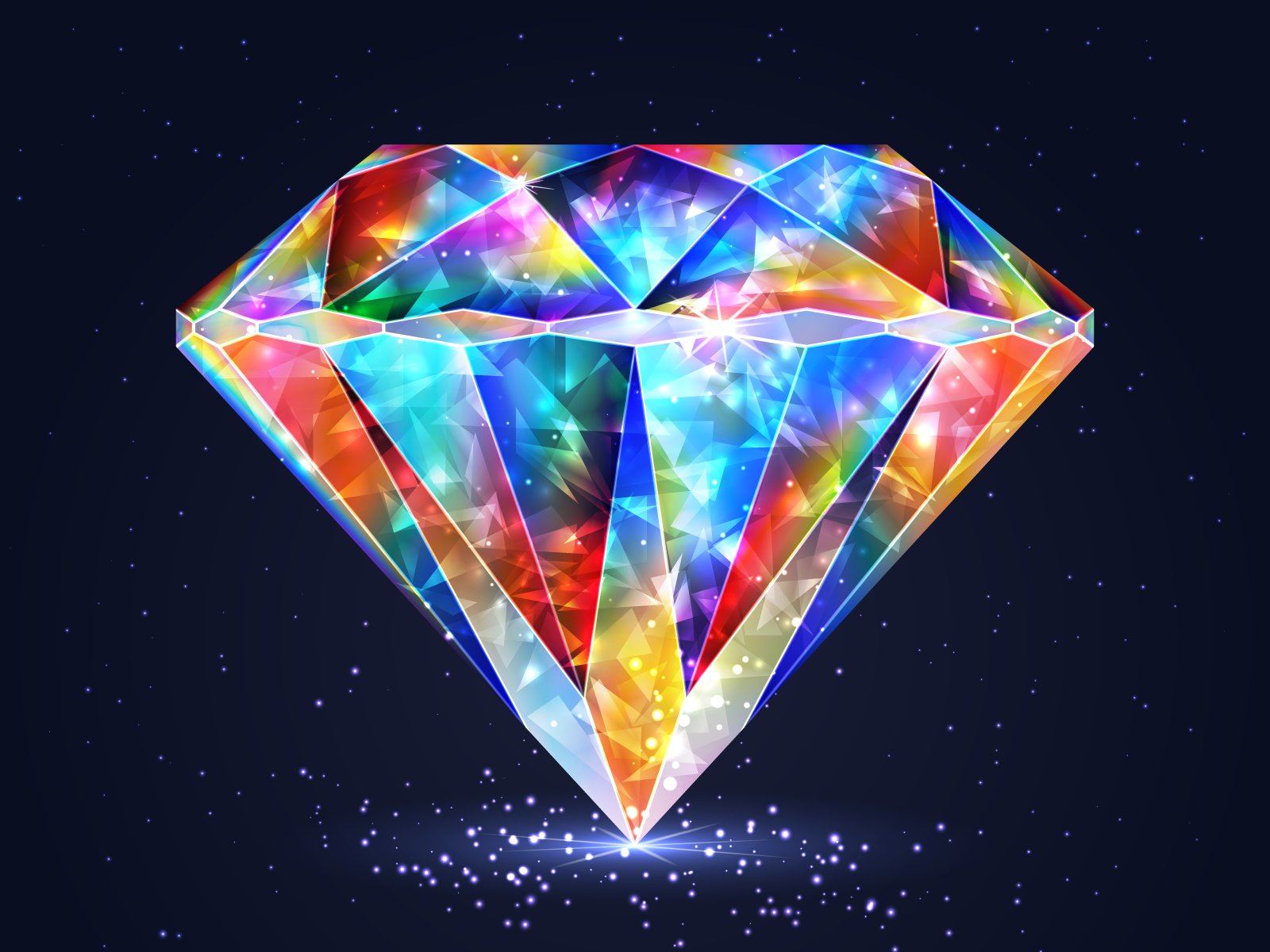
Diamonds, often heralded as the epitome of elegance and luxury, radiate an allure that captivates enthusiasts and casual observers alike. The sparkle—an intrinsic quality that enchants and dazzles—is a key factor in the perception of a diamond’s beauty. Yet, amidst the myriad of diamond shapes available, a question often arises: which diamond shape truly has the most sparkle?
This inquiry prompts a broader examination of the relationship between diamond shapes and their ability to reflect and refract light. To adequately address this question, one must consider several pivotal factors: the cut, the facet arrangement, and the inherent properties of each shape. Ultimately, while personal preference plays an undeniable role in determining the ‘most sparkly’ diamond shape, certain shapes have garnered acclaim for their remarkable light performance.
The Essence of Sparkle: Understanding Light Reflection and Refraction
Before delving into specific diamond shapes, it is essential to comprehend the fundamental principles of light interaction with diamonds. Sparkle—what gem aficionados often call brilliance—emerges from two phenomena: reflection and refraction. Reflection occurs when light bounces off the diamond’s surface, while refraction takes place when light enters the stone, slows down, and bends. The cut of the diamond dramatically influences how effectively these processes occur.
A well-crafted diamond cut enhances both the depth and the angles of the facets, facilitating optimal light performance. Thus, the notion of sparkle cannot be divorced from the quality of the cut; it is a pivotal element that can elevate or diminish a diamond’s visual impact.
The Round Brilliant Cut: The Pinnacle of Sparkle
Among the myriad of diamond shapes, the round brilliant cut stands out as the quintessential representation of sparkle. Renowned for its 58 facets, this shape is meticulously designed to maximize the interaction of light within the gem. As light penetrates the diamond, it bounces off the facets, creating an enchanting dance of color and brilliance. The symmetrical nature of the round brilliant cut ensures that light enters and exits the stone uniformly, contributing to its exceptional sparkle.
Furthermore, the round brilliant cut is scientifically engineered to optimize light performance. Many studies have demonstrated that, due to its facet arrangement and dimensions, this cut manifests unparalleled luminosity. When comparing various shapes, the round brilliant cut frequently emerges as the victor in terms of sheer sparkle, embodying the ideal amalgamation of art and science.
The Princess Cut: A Modern Marvel
Emerging as a favorite in contemporary jewelry design, the princess cut offers an intriguing combination of brilliance and contemporary aesthetic. Characterized by its square or rectangular shape topped with a pyramidal crown, the princess cut possesses numerous facets—often exceeding 70. This complexity and increased facet count enhance the diamond’s ability to capture and reflect light, resulting in impressive scintillation and fire.
While not as traditionally sparkly as the round brilliant cut, the princess cut exhibits a unique charm that appeals to modern sensibilities. Its geometric form and contemporary appeal resonate with consumers seeking a balance between tradition and modernity. The aforementioned sparkle does not equate to that of the round brilliant cut; however, its distinct character sets it apart in the realm of diamond shapes.
The Radiant Cut: A Synthesis of Elegance and Sparkle
Positioned at the intersection of vintage charm and modern sensibilities, the radiant cut is a harmonious blend of arrangement and artistry. With its trimmed corners and scintillating facets, the radiant cut captures light in a most unconventional manner, resulting in a unique visual experience. Encompassing both rectangular and square shapes, the radiant cut suggests a femininity and grace that is often unrivaled.
This cut boasts around 70 facets, allowing for an interplay of light that rivals that of the round brilliant cut in certain lighting conditions. While it may not possess the same dominance in brilliance, the radiant cut’s ability to dazzle in a variety of settings makes it a compelling alternative for those whose preferences lean towards uniqueness.
The Asscher Cut: Art Deco Charm and Sparkle
Resonating with lovers of vintage and Art Deco aesthetics, the asscher cut is a square shape with a deeply stepped pavilion. Much like the emerald cut, the asscher cut emphasizes clarity and color, showcasing the diamond’s inherent qualities with remarkable elegance. Although it is not characterized by the same level of sparkle as the round brilliant cut, its unique step-cut facets create a mesmerizing effect when combined with light—a phenomenon referred to as “windmill” sparkle. This gentle flicker of light adds a romantic quality that captures the essence of timelessness.
Comparative Observations: Contextualizing Sparkle
It is essential, however, to contextualize the discussion of sparkle within individual taste and aesthetic preferences. While a round brilliant cut is often hailed as the champion of brilliance, many consumers gravitate towards alternative shapes for their individuality, character, and emotional significance. Consequently, the “most sparkly” diamond shape is profoundly subjective, hinging on personal preference as much as it does on empirical light performance.
In conclusion, the exploration of which diamond shape has the most sparkle reveals an intricate tapestry of artistry, craftsmanship, and personal expression. The round brilliant cut will likely remain a benchmark for sparkle, while other shapes like the princess, radiant, and asscher present their unique interpretations of brilliance. Furthermore, the fascination with diamonds extends beyond their scintillating exterior, ultimately inviting wearers to reflect on personal narratives and experiences encapsulated within these exquisite gems.

Leave a comment