

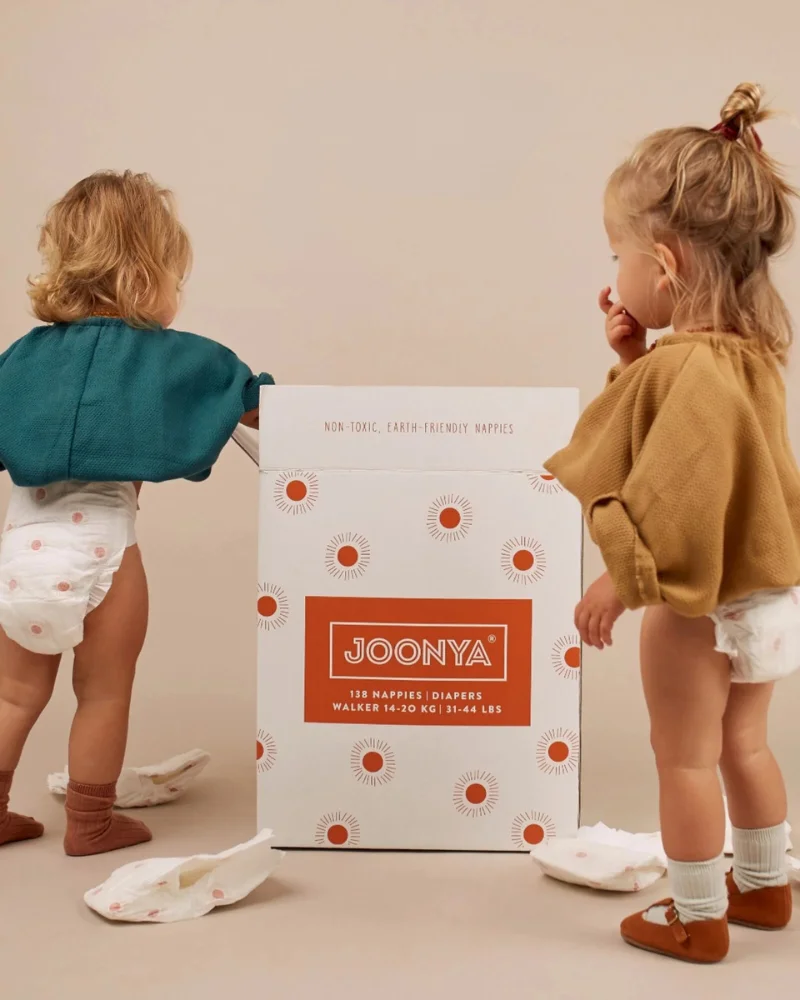
When it comes to selecting diapers for your baby, the term “non-toxic” has become increasingly pivotal. As awareness regarding chemical exposure grows, many parents express concern about the materials their little ones come in contact with, especially for those with sensitive skin. This article delves into the different types of diapers that are considered non-toxic, elucidates their benefits, and equips parents with the knowledge to make informed choices.
First, it is essential to understand what “non-toxic” signifies in the realm of diapering. Non-toxic diapers are free from harmful chemicals and substances, such as chlorine, fragrances, phthalates, and latex. These harmful compounds can adversely affect infants’ delicate skin, contributing to rashes and discomfort. Hence, choosing diapers that are devoid of these ingredients is not only prudent but is also a measure that aligns with a holistic approach to parenting.
Diapers can be broadly classified into various categories: disposable diapers, cloth diapers, ecological diapers, and hybrid options. Each category has its own inherent characteristics, advantages, and disadvantages when it comes to non-toxicity.
Disposable Diapers
Disposable diapers are widely recognized for their convenience. However, not all disposable diapers possess non-toxic attributes. Brands have begun to emerge in the market that expressly focus on offering non-toxic disposable options. These diapers utilize organic materials and are free from harmful chemicals.
For instance, renowned non-toxic disposable diaper brands often incorporate materials like organic cotton, which reduces the likelihood of skin irritation. Some leading brands to consider include:
- Earth’s Best: Made with chlorine-free processing and no added fragrances, these diapers provide a soft, environmentally-friendly option.
- Honest Company: Utilizing plant-based materials, these diapers are not only non-toxic but also aesthetically pleasing, thanks to their colorful designs.
- Seventh Generation: Well-known for their sustainability commitments, these diapers are free from bleach and unnecessary additives.
In addition to their non-toxic attributes, many of these brands also emphasize sustainability, employing biodegradable materials and environmentally-conscious manufacturing processes.
Cloth Diapers
Cloth diapers present an excellent alternative for environmentally-conscious parents looking for non-toxic options. Traditional cloth diapering methods often utilize natural fibers, which are less likely to contain harmful chemicals. The myriad types of cloth diapers include pre-folds, fitteds, contoured, and all-in-ones, each offering unique features to suit different preferences.
When selecting cloth diapers, it is critical to choose those made from organic cotton, bamboo, hemp, or other non-toxic fabrics. Organic options are grown without harmful pesticides or fertilizers, minimizing any potential chemical exposure to your baby. Some notable brands include:
- BumGenius: This brand offers a diverse range of organic cotton options that are designed for maximum comfort and absorbency.
- GroVia: With an emphasis on sustainability, GroVia’s organic cotton and bamboo products are known for their softness and durability.
- Smart Bottoms: Offering organic cotton options in their diaper range, Smart Bottoms is recognized for its sustainable practices.
While cloth diapers require a commitment to washing and maintenance, they generally offer long-term cost savings and reduced waste. Moreover, their reusability aligns with environmentally-friendly approaches.
Ecological Diapers
Ecological or eco-friendly diapers often sit at the intersection of disposable and cloth diapers. These products aim to minimize environmental harm through biodegradable materials and sustainable practices. Thus, many brands focus on being both non-toxic and environmentally responsible.
Brands in this category typically utilize materials like plant-based polymers and recycled fibers. Since ecological diapers prioritize the use of sustainable resources, they are excellent for parents striving to reduce their ecological footprint while still ensuring their child’s health. Brands to consider include:
- Bio Babby: These biodegradable diapers utilize cornstarch as a key material, significantly reducing their environmental impact.
- Naty: Naty’s ecological diapers are made from renewable resources and are free from synthetic additives, making them a standout choice for parents looking for non-toxic options.
- Happy Planet: Focusing on eco-friendly compositions, Happy Planet diapers provide a chemical-free alternative without sacrificing performance.
Hybrid Diapers
Hybrid diapers combine the benefits of both cloth and disposable varieties. With reusable shells and disposable inserts, these diapers afford flexibility while also promoting non-toxic practices. Parents can select inserts made from organic or eco-friendly materials, further ensuring that their baby’s diapering experience is free of harmful chemicals.
Hybrid options provide an excellent compromise for parents seeking convenience without forsaking their environmental values. Popular brands include:
- GroVia Hybrid: Known for their versatile approach, these hybrids allow users to interchange between cloth and disposable options.
- Flip: The Flip diapering system enables the use of either cloth or disposable inserts, providing a versatile and eco-friendly solution.
Conclusion
In conclusion, the quest for non-toxic diapers encompasses a variety of options tailored to meet the diverse needs and preferences of parents. Whether one opts for disposable, cloth, ecological, or hybrid designs, the importance of choosing non-toxic materials cannot be overstated. Each type possesses unique merits which, when properly assessed, can lead to the overall well-being of your child.
Selecting non-toxic diapers not only fosters a healthier environment for your baby but also contributes to a more sustainable planet. In making a conscientious choice, parents are taking the necessary steps toward nurturing a safe, comfortable, and eco-friendly space for their little ones.

Leave a comment