

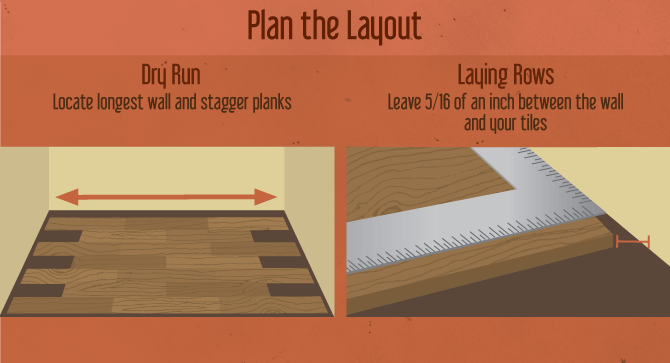
Installing vinyl plank flooring is an endeavor that transforms the aesthetic of a space, often evoking curiosity about the subtleties involved in the process. One prevalent question among homeowners and professionals alike pertains to the optimal direction for installation. This seemingly mundane decision can profoundly influence both the visual appeal and functionality of the flooring. A thorough understanding of the factors that dictate this choice reveals nuances that extend beyond mere preference.
When contemplating the installation direction of vinyl plank flooring, one must first consider the orientation of the room and the prevailing sources of natural light. Such aspects can significantly alter perception; for instance, running planks parallel to the longest wall can enhance spatial dimensions, making a room feel more expansive. Conversely, placing them perpendicular to the entrance provides a broader view upon entry, crafting an inviting atmosphere. This subtle interplay between light, space, and installation direction unveils a layer of psychological comfort that influences how inhabitants engage with their environment.
Another critical consideration is the underlying structure of the space. In homes with a predominant linear layout, such as hallways or elongated living rooms, aligning the planks in the direction of foot traffic can create a seamless flow. This alignment not only caters to practical movements but also establishes a visual pathway that can guide the observer’s eye through one space to another with ease. Thus, the orientation of the flooring acts as a silent yet effective navigational tool.
Moreover, certain rooms come with unique challenges and opportunities. For instance, dining areas, where heavier furniture alternates between usage and non-usage, benefit from planks installed in the same direction as the primary usage pattern. This allows wear and tear to distribute evenly, prolonging the life of the flooring. On the other hand, spaces such as living rooms and family rooms often call for more strategic placements, where its visual appeal is paramount. Here, the direction should not only be practical but also harmonize with the overall design aesthetics.
In addition to these spatial considerations, one must also take into account the logistics of installation. The tongue-and-groove mechanism common in vinyl plank flooring installations necessitates careful consideration of the planks’ edges and interlocking systems. Installing planks in the same direction as the starting wall can mitigate complications during the process, thus ensuring a more comfortable experience for the installer. This practicality is a crucial point often overlooked amidst the aesthetics.
Furthermore, the room’s lighting can exert additional influence over the choice of direction. Natural light, streaming in from windows and doors, creates shadows that can either enhance or detract from the overall design. In spaces flooded with natural light, planks should ideally be installed perpendicular to the source of illumination to minimize visible wear and to create an atmospheric dimension, imbibing the room with vitality. Conversely, in darker areas, such as basements or internal rooms, parallel installation may help to reflect artificial light more effectively, creating a warmer, more inviting ambiance.
The texture and finish of the vinyl planks also warrant consideration. High-gloss finishes reflect light differently than matte surfaces, and the direction of installation can exacerbate or alleviate reflections. Glossy planks can appear overly harsh if treated carelessly, while matte finishes can absorb light and create a tranquil atmosphere. Therefore, understanding how the finish interacts with the direction of installation can lend an elevated sophistication to the entire flooring scheme.
Another point of fascination lies in the durability of the flooring based on the installation direction. During the expansion and contraction process—inevitable with temperature fluctuations—running planks against the natural grain of the material can lead to unsightly buckling. Hence, while choosing the installation direction, consideration of potential environmental factors cannot be overstated. This serves as a reminder that the decision carries weighty implications for maintenance and longevity.
The aesthetic layering of color, pattern, and texture provides additional avenues for exploration. For homeowners eager to implement creativity within their space, experimentations with varying lengths and widths of planks can yield striking patterns, such as herringbone or diagonal installations. Each direction introduces a diverse visual narrative, inviting a dialogue between tradition and contemporary style. Such artistic interventions signify that the choice of plank direction transcends the practical, becoming an expression of personal style and identity.
Ultimately, the decision regarding the direction of vinyl plank flooring installation intertwines practicality with artistry. Observations of space dynamics, decision-making rooted in functionality, and sensitivity to aesthetic influences converge to craft an experience that transforms a house into a home. As one navigates through this multi-faceted decision, it is crucial to remember that each direction is not merely a choice but a window into one’s personal ethos and an avenue for creative expression. By embracing the complexities of this process, the allure of vinyl flooring transcends the practical, affirming its role as a cornerstone of modern interior design.

Leave a comment