

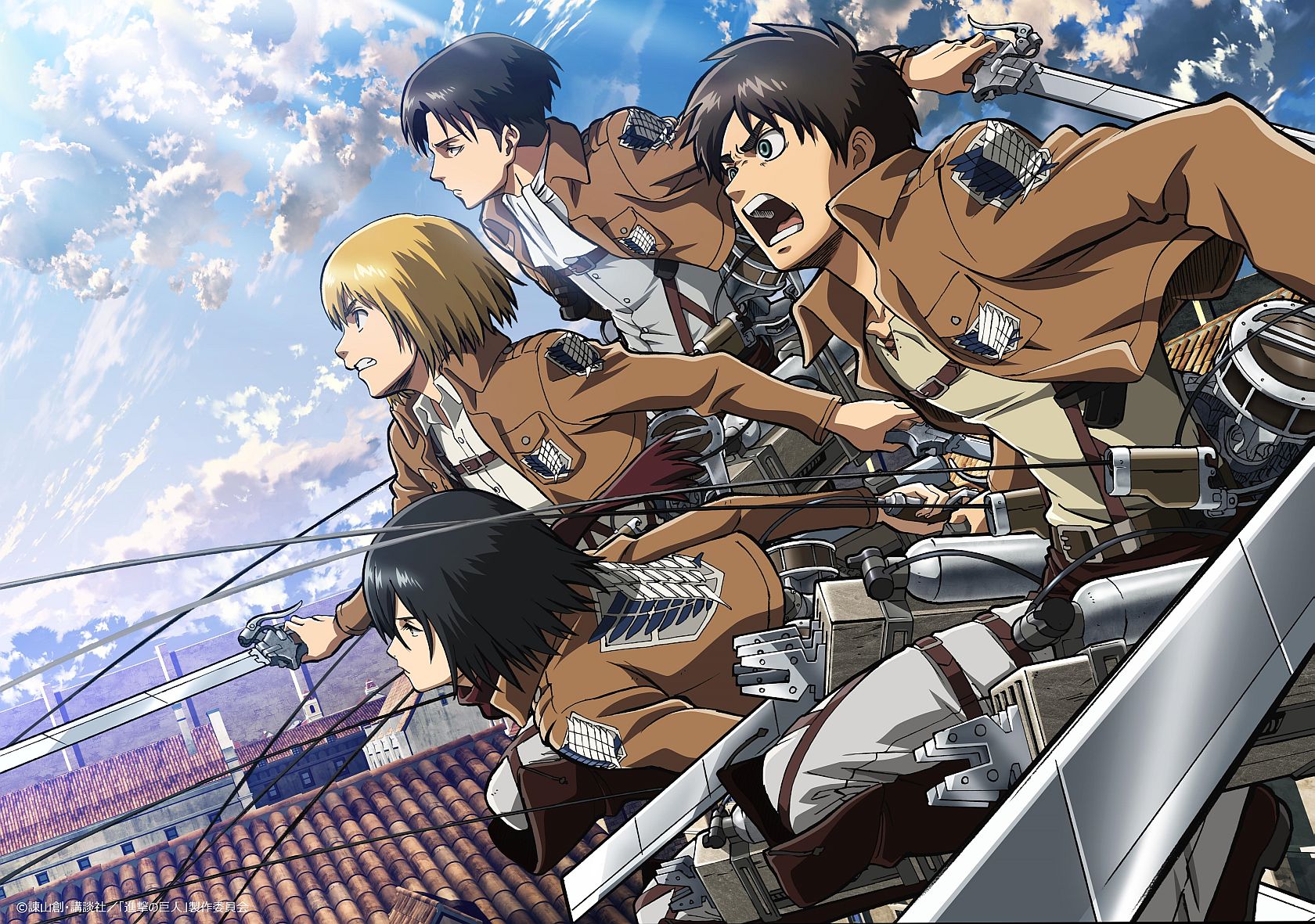
The cultural phenomenon of “Attack on Titan” is not merely a storyline of humanity’s struggle for survival; it is a rich tapestry of complex characters, each bearing distinct personalities, motivations, and arcs that resonate with audiences worldwide. For enthusiasts eager to discover their alignment with the series, “Which AOT Character Am I?” presents an introspective journey, fostering a deeper understanding of both self and the narrative’s characters.
In the discerning realm of personality assessments, a character-driven test serves as both entertainment and enlightenment. Engaging with this concept involves not just a superficial exploration, but an evaluation of individual traits reflecting in the nuanced personas crafted by Hajime Isayama. This article unfurls the intricacies of conducting a personality test aligned with “Attack on Titan,” delineating the expectations, processes, and analytical outcomes.
Understanding the Core Characters
Before delving into the personality test, one must first grasp the pivotal characters within “Attack on Titan.” Each character embodies a particular archetype that encapsulates varying human experiences and traits. The protagonist, Eren Yeager, often symbolizes the struggle for freedom and the visceral rage that accompanies loss and vengeance. Conversely, Mikasa Ackerman represents unwavering loyalty and strength, while Armin Arlert embodies intellect and empathy. These definitions serve as essential benchmarks for participants administering the test.
The Structure of the Personality Test
A well-structured personality test is paramount for achieving accurate results. The test typically comprises a series of thought-provoking questions designed to elicit genuine self-reflection. Queries may explore domains such as personal motivations, responses to conflict, ethical standpoints, and interpersonal dynamics. The responses can be fashioned into multiple-choice formats, offering varied scenarios aligning with characters or demanding introspective answers that reveal emotional underpinnings.
For example, a question might prompt participants to choose how they would react in a high-stakes scenario, paralleled with the decision-making styles of characters like Levi Ackerman, known for his pragmatic and often ruthless tactics, or Jean Kirstein, who wrestles with leadership and accountability. Such dilemmas can starkly delineate the nature of the choices made and the character traits they parallel.
Scoring Mechanism
Once the questions have been answered, the test will require a scoring mechanism to quantify responses effectively. Assigning points based on the answers can help in converging concepts: for every choice aligned with a specific character, points accumulate. The total score will provide a cohesion of character alignment, offering participants not just a singular result but a depth of understanding regarding their multifaceted personality traits.
Interpreting Results
The next stage involves interpreting results with intellectual nuance. Following the test, participants will receive their corresponding character, accompanied by an analysis of their personality traits, behavioral tendencies, and interpersonal relationships. This segment serves to elucidate the character’s journey within the series, providing a comprehensive background that aligns with the test-taker’s results. Discerning the complexities in a character like Erwin Smith, a blend of charisma, vision, and sacrifice, might reflect the participant’s own ambitions and challenges.
Engagement Beyond the Test
It is imperative to recognize that the results of such tests are mere starting points for meaningful discussions about personality and ethics within the “Attack on Titan” universe. Engagement can extend beyond the confines of the test to include forums and social media, where participants can share their results and engage in deeper dialogues about character motivations and developmental arcs. Such exchanges can enrich perspectives, fostering a communal exploration of themes like morality, sacrifice, and human resilience.
Personal Reflection through Fiction
Moreover, the portrayal of characters in “Attack on Titan” serves as a conduit for personal introspection. Readers find themselves reflecting on their ethical stands against the dramatic backdrop of a post-apocalyptic world fraught with conflict. The characters’ struggles are not isolated; they resonate with universal themes of hope, despair, and the human condition. This mirroring manifests in a greater understanding of one’s values and beliefs, indicating a therapeutic element to participating in such personality assessments.
A Conclusive Perspective
In conclusion, the “Which AOT Character Am I?” personality test transcends simple entertainment, establishing a foundation for philosophical inquiries about identity and morality within a fantastical context. By analyzing characters and undertaking a survey of one’s traits, participants embark on a revealing journey of self-discovery. The intersection of fiction and personal identity fosters a profound connection with both the narrative and one’s own psyche. As you navigate this examination, remember that the essence of the journey lies not solely in the destination—the result—but in the reflections, discussions, and insights that emerge along the way. Thus, the allure of “Attack on Titan” is woven not only through its riveting storytelling but also in its capacity to pose essential questions about existence and belonging.

Leave a comment