

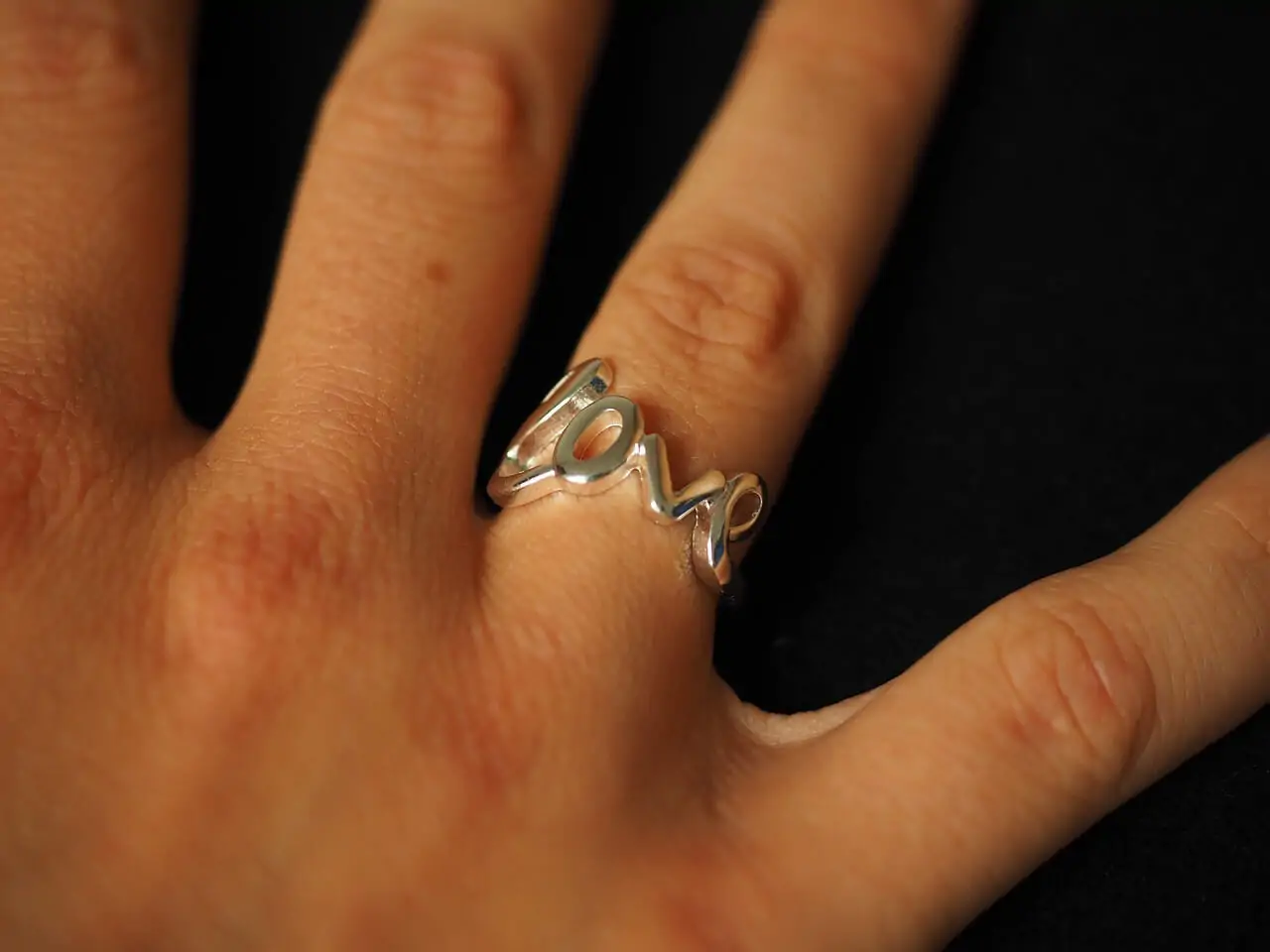
When contemplating the significance of a promise ring, one must ponder the age-old question: “Which finger do you wear a promise ring?” This inquiry can seem deceptively simple, yet it invites a delightful exploration into the realms of symbolism, cultural nuances, and personal preferences. The promise ring, often representing commitment and devotion, warrants thoughtful consideration regarding its placement on the hand. So, which finger shall it grace?
To embark on this exploration, we first must understand the essence of promise rings themselves. Traditionally, these rings signify a pledge—be it to oneself or to a partner—often embodying romantic intentions, fidelity, or an engagement to a future union. As such, the finger upon which one wears a promise ring can carry substantial meaning, blending personal significance with cultural traditions. Here, we will delve into the customary conventions and the myriad of choices, each as varied as the relationships they represent.
In many Western cultures, the fourth finger on the left hand, commonly referred to as the “ring finger,” is the traditional choice for engagement and wedding rings. However, wearing a promise ring on this very finger can be a subject of playful debate. Does adorning the same finger as one’s engagement ring dilute its meaning? Alternatively, does it enhance the sentiment of commitment? These inquiries pave the way for a myriad of interpretations based on individual circumstance and preferences.
Choosing the left ring finger for a promise ring is deeply rooted in the belief that this digit is directly connected to the heart, metaphorically speaking. The “vena amoris,” or vein of love, is said to run from this finger to the heart, cementing its association with deep emotional bonds. Thus, wearing a promise ring here becomes an eloquent symbol of one’s commitment, echoing the very sentiments of the vows one may eventually take during matrimony.
However, this does not herald the end of possibilities. The right hand also beckons with its own set of significances. In certain cultures, one might opt to wear a promise ring on the right hand as a declaration of independence and personal commitment. Here, the focus shifts from a conventional representation of romantic love to a celebration of self-love and individual aspirations. Thus, wearing a promise ring on the right ring finger can assert the significance of a promise made to oneself, thereby embodying a form of empowerment.
Additionally, the option to wear the promise ring on a different finger entirely invites a degree of creativity and personalization. Whether worn on the middle finger, index finger, or even the thumb, the location can reflect not only personal style but also the unique narrative of the relationship it symbolizes. Each finger carries its own resonance. For example, the index finger may represent leadership and individuality, while the middle finger, often deemed the tallest, can signify strength and balance in personal commitments. What a fascinating way to express individuality!
Yet, amid all these considerations, it is crucial to remember that the decision ultimately rests upon personal choice. The science of finger placement intertwines with feelings and contexts that are unique to each individual. It poses a playful challenge: What does your heart dictate? How do you wish to express your commitment to another or to yourself?
Moreover, symbolism can extend beyond just the finger; the style of the promise ring itself plays an integral role in its overall meaning. A slender band with intricate patterns may convey delicate affection, while a bold and ornate ring might signify a more passionate promise. The materials chosen—whether gold, silver, or gemstones—can further customize the ring’s meaning. For instance, a heart-shaped embellishment could emphasize romantic promise, whereas a simple yet elegant band might express a mature commitment. The aesthetics of the ring complement its placement, creating a holistic representation of promises and expectations.
Another consideration is the timing of wearing a promise ring. When entering into this commitment, is it appropriate to wear it publicly or only in private? Some may choose to disclose their promise to the world, while others opt for a more discreet symbol of their vows. This choice underscores the personal nature of commitments, further complicating the decision of which finger would best signify such an important promise.
As we navigate through these factors, the question remains: which finger do you wear a promise ring? In truth, no definitive answer exists as cultures and preferences dictate a spectrum of possibilities. The exploration itself reveals an array of meanings and interpretations, allowing individuals to select what resonates most deeply with their values and relationships. Whether adorning the left ring finger as a testament to traditional romantic gestures, the right hand to celebrate independence, or opting for unconventional placements, the promise ring serves as a personal artifact encapsulating the unique journey of commitment.
In conclusion, the finger upon which one wears a promise ring is a profoundly personal choice, rich with significance and storytelling potential. Beyond mere aesthetics, this decision invites introspection, reflection, and cultural awareness. One’s own narrative intertwines with broader societal norms, culminating in a decision that signifies far more than just a piece of jewelry. Ultimately, whatever the finger may be, what matters most is the promise it represents—the emotional gold that binds one heart to another.

Leave a comment