

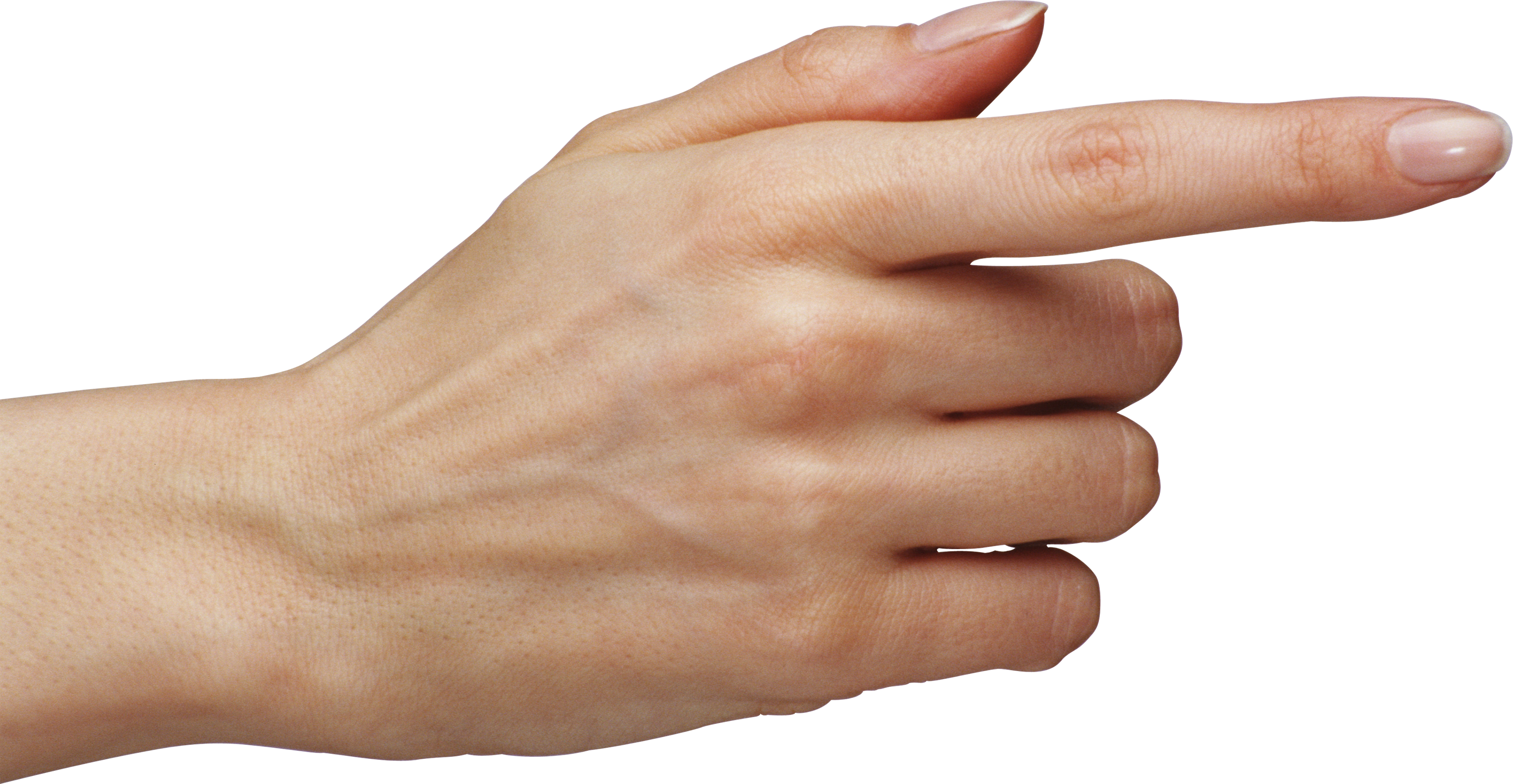
When it comes to love and commitment, engagement rings hold a special significance. But a lingering question often captivates couples embarking on their journey toward matrimony: which finger should one wear their engagement ring on? This inquiry not only reflects personal preference and symbolism but also elicits a deeper exploration of cultural practices and modern trends.
Traditionally, in many Western cultures, the engagement ring is predominantly worn on the fourth finger of the left hand, commonly known as the “ring finger.” This long-standing custom is steeped in history. The ancients believed that this particular digit contained a vein, referred to as the “vena amoris,” that directly connected the heart to this finger, symbolizing a profound connection of love and fidelity. However, while this tradition remains prominent, various factors may influence the decision of where to don this cherished piece of jewelry.
As we ponder this delightful conundrum, let us delve into the multifaceted reasons behind wearing engagement rings on specific fingers. For one, cultural distinctions play a pivotal role. In many Eastern European countries, including Russia and Poland, it is customary to wear the engagement ring on the right hand. This practice signifies that the ring serves not only as a token of engagement but as a declaration of commitment and a prelude to the subsequent wedding ceremony. Such variations in tradition prompt a fascinating dialogue around individual choices in ring placement.
Moreover, within the landscape of contemporary society, the concept of individuality and self-expression comes into play. Trends and styles often shift, with many opting for unconventional choices that diverge from traditional norms. For instance, some may choose to forgo the ring finger altogether, opting instead for a decorative position on the middle or index finger. Such practices highlight a playful subversion of expectations while asserting one’s unique identity.
Additionally, practicality can dictate finger selection. Some individuals may experience preference based on lifestyle and daily responsibilities. For those whose professions require manual dexterity or involve rigorous physical activity, wearing an engagement ring on a finger more susceptible to damage or discomfort may not be the most judicious decision. A thoughtful consideration of functionality alongside aesthetic appeal can lead to a more suitable choice for ring placement.
Then, there is the matter of personal significance—the stories behind rings, their shape, and the stones they hold can also dictate where they are worn. For many, the engagement ring is a familial heirloom, passed down from generations. In these cases, individuals might choose to wear it on a finger aligned with familial traditions or significant memories, imbuing the act with personal resonance and historical weight.
Yet, even within the confines of established traditions, modern engagements sometimes incorporate creative flair. Couples may opt for matching rings or even wear their engagement rings on different fingers to signify their bond. Imagine the playful rivalry: who gets to rock the engagement ring on their pinky, boldly asserting a style that represents love in a quirky manner? Such inventive choices further enrich the engagement ring narrative.
As the engagement ring question unfolds, the relationship between engagement rings and wedding ceremonies emerges as a relevant factor. Many couples experience the duality of engagement and wedding rings, leading to further contemplation of finger placement. It is traditional for the wedding band to be placed underneath the engagement ring during the ceremony, stacking the two rings together post-vow. This practice can influence decision-making regarding the original placement of the engagement ring, as couples often consider their rings’ coherence in aesthetics and symbolism.
Furthermore, we must also acknowledge the influence of gender roles within these decisions. While many engagements are blissfully egalitarian, societal norms still paint certain expectations around the symbolism of the engagement ring. Some men feel a need to conform to traditional structures, while others embrace a more progressive philosophy that encourages choice irrespective of gender. Such societal dialogues around engagement rings usher forth discussions about the evolution of customs and the exploration of new horizons.
When considering which finger to wear your engagement ring, emotional and psychological aspects merit discussion. A ring can symbolize not only love and commitment but also a profound sense of security and belonging. The act of adorning a finger with an engagement ring can evoke a sense of pride and connection, rendering it an emblem of one’s journey together. Thus, the choice of finger can elicit a spectrum of emotions ranging from exuberance to contemplative serenity.
So, as you navigate this whimsical journey toward discovering the ideal finger to wear your engagement ring, consider your unique story, cultural background, and modern interpretations of tradition. Allow space for personal expression and playful experimentation. Ultimately, the right answer may vary for each couple, and therein lies the beauty of romantic choices.
In conclusion, the question of which finger to wear your engagement ring upon is far more than a mere style choice; it is a tapestry woven from tradition, culture, and personal narrative. Allow this exploration to ignite a rich discussion between partners, and rejoice in the endless possibilities it presents. After all, the ring serves as a reminder of the love you share and the journey that lies ahead, irrespective of the finger on which it rests.

Leave a comment