

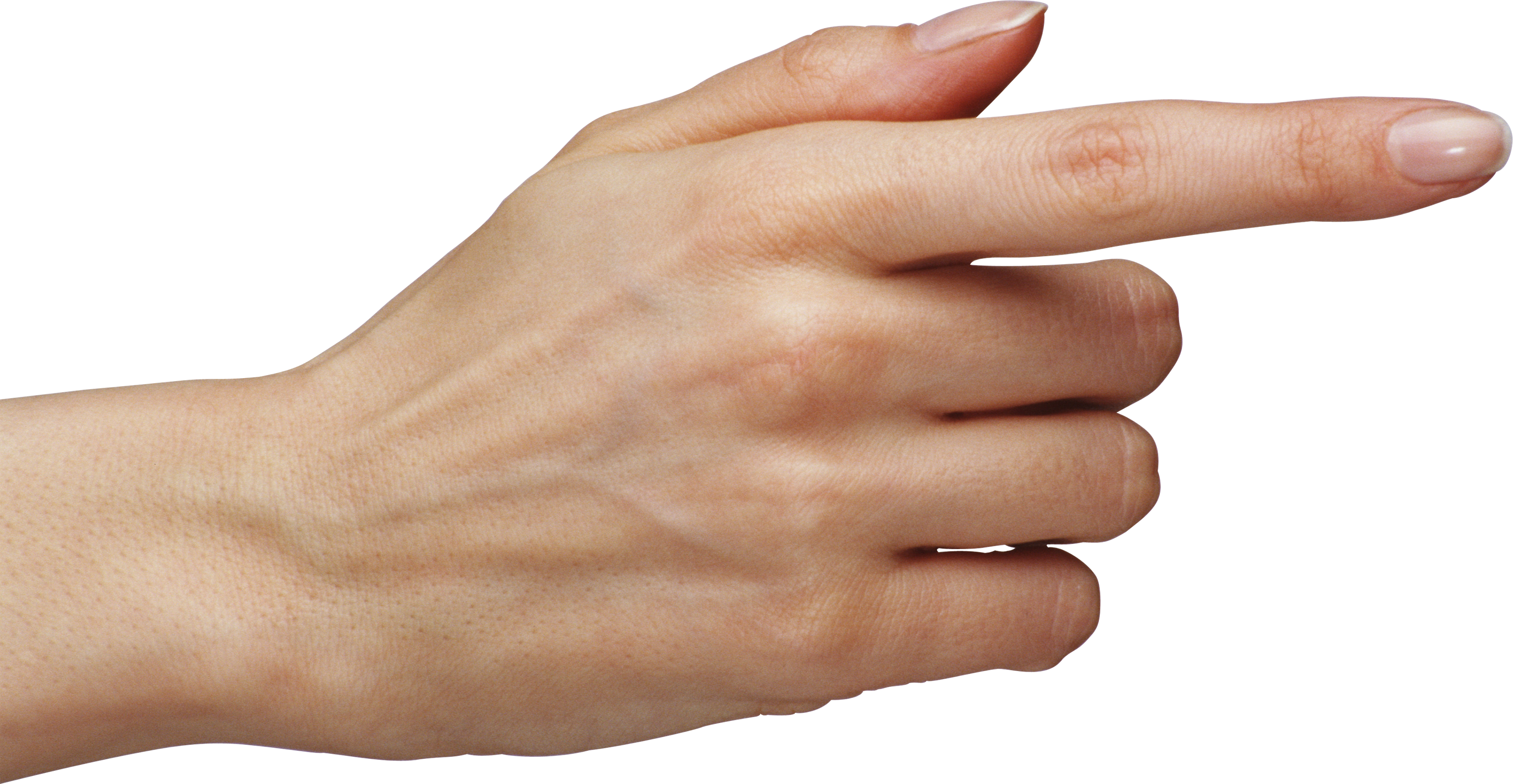
Many cultures around the globe have rich traditions surrounding rings and their meanings. Among these, promise rings hold a special significance. They symbolize commitment, affection, and the intent to strengthen a bond between partners. However, an often-overlooked aspect of this ritual is the specific finger upon which the promise ring should be worn. This seemingly simple choice is laden with symbolism, tradition, and personal meaning.
To decide which finger is most appropriate for a promise ring, one must first consider the nature of the promise itself. Unlike engagement or wedding rings, which have universally accepted finger placements, promise rings can be worn on any finger, depending on the context and the significance attributed to the ring. The myriad options can be bewildering, but with careful consideration, clarity can be found.
Traditionally, the left hand has been reserved for rings that denote serious commitments – particularly engagement and wedding rings. This custom can be traced back to ancient beliefs that the left ring finger contained the vena amoris, or the “vein of love,” thought to be directly connected to the heart. Hence, adorning this finger with a promise ring indicates a serious intention or an unbreakable bond.
However, wearing a promise ring on the right hand is gaining popularity, particularly among younger generations. The right hand is often associated with personal empowerment and individual expression. Wearing a promise ring here can signify a commitment to oneself or to living authentically, independent of societal expectations. This choice often resonates with modern interpretations of love and partnership, making it an excellent option for those who prioritize individualism.
In addition, the choice of finger can delve into more nuanced territory, such as ring stacking or layering. For those who cherish the aesthetics of multiple rings or have a penchant for symbolic adornments, wearing a promise ring on a finger already occupied by other jewelry can create a narrative unique to the wearer. This layering can serve as a conversation starter, allowing the individual to express the profound meanings behind each piece of jewelry.
Besides the traditional left and right hand choices, one may also explore whether to don the promise ring on the index or middle finger. The index finger is often associated with authority and leadership – a fitting representation of taking charge of one’s life decisions. Wearing a promise ring here can symbolize an active commitment to personal and relational growth. In contrast, the middle finger, often regarded as a symbol of balance, can indicate an even-handed approach to promises and commitments.
Another element to consider is the cultural context surrounding promise rings. In some cultures, they may take on distinct meanings and expectations. For instance, in certain Native American traditions, promise rings may represent a dedication to family and community. Wearing such a ring on a particular finger might convey a deeper respect for these values, solidifying the bond not only between partners but also within the broader community. Understanding these nuances can elevate the selection process, allowing the wearer to make an informed decision that resonates with their heritage.
Moreover, one must assess the emotional significance of the promise ring itself. Is it a fateful commitment, a prelude to engagement, a token of friendship, or a promise of fidelity? The intent behind the ring can dictate the finger choice. For a more romantic promise, the left hand’s ring finger may be appropriate. Conversely, a promise of friendship may warrant a more casual placement on the right hand, such as the pinky or ring finger.
In the age of customization, the design of the promise ring itself can also influence which finger to choose. For example, a delicate band adorned with gemstones may look more striking on the slender fingers of the left hand, while a bold, statement piece may find its home on the sturdier fingers of the right hand. Thus, aesthetic considerations can align beautifully with one’s intention for the ring.
Personal anecdotes often shape the decision-making process. Many individuals have stories about how they came to wear their promise rings, including the specific finger choice, which becomes a cherished part of their narrative. If there is a personal significance tied to a finger – perhaps it was the finger their grandmother wore her rings on, or it reminds them of a defining moment in their relationship – this can be influential.
Finally, engaging in discourse with a partner about the promise ring can foster deeper communication around what it symbolizes. Such discussions can create an opportunity to align definitions, beliefs, and expectations about commitment. This conversation can even extend to which finger the ring should be worn on, engaging both partners in the decision-making process. It emphasizes the notion that choices in relationships are rarely unilateral; rather, they are a coalescence of perspectives, desires, and imaginations.
Ultimately, the decision regarding which finger to wear a promise ring is steeped in personal significance and societal influences. The left hand exudes romantic commitment, while the right hand suggests individuality and personal freedom. The choice is as much about tradition as it is about personal expression. As you contemplate this important decision, allow curiosity and introspection to guide you. The finger that ultimately hosts your promise ring should reflect not just the promise made, but the unique journey that led to its inception.

Leave a comment