

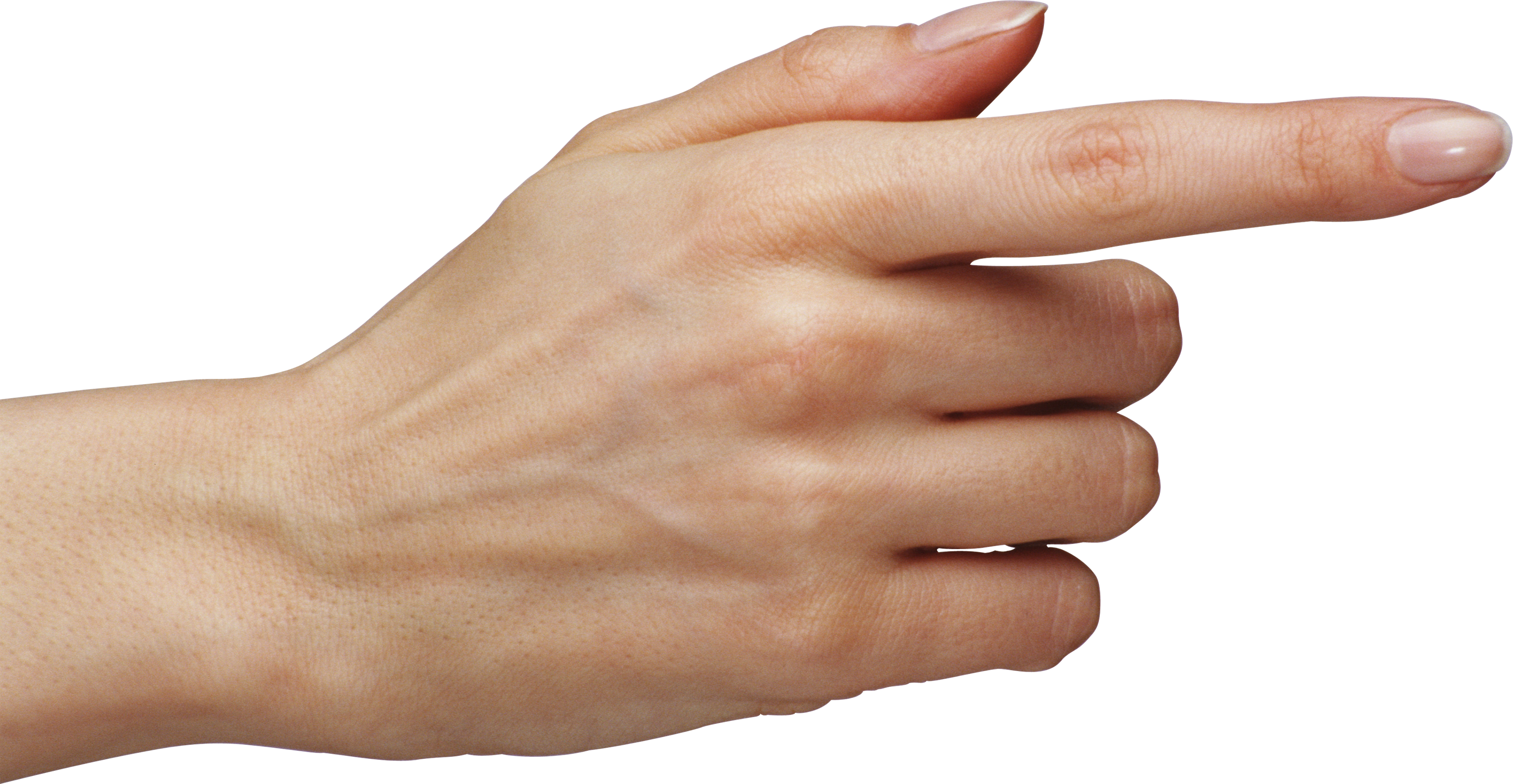
Promise rings occupy a unique niche within the realm of jewelry, serving as a tangible manifestation of commitment, affection, and aspiration. In a world where promises can sometimes feel ephemeral, the promise ring becomes a steadfast symbol of an intention to cherish a relationship and honor the bond it represents. As one navigates the intricate dynamics of romantic relationships, the question arises: which finger is most appropriate for adorning a promise ring?
Traditionally, the placement of rings carries layers of significance, akin to the brushstrokes on a canvas, each contributing to the overall portrait of one’s personal journey. The choice of finger for a promise ring aligns not only with societal conventions but also with individual narratives, representing a blend of custom and personal ethos.
The fourth finger of the left hand, often referred to as the “ring finger,” is the most conventional choice for promise rings. This digit has long been regarded as the sacred space for significant rings, including engagement and wedding bands. The historical roots of this practice are steeped in ancient beliefs. The ancient Romans, for example, believed that this finger contained the “vena amoris,” or the vein of love, which was thought to connect directly to the heart. Such symbolism imbues the promise ring with a sense of gravity, binding the wearer’s promises not just in intention but in a physical connection to their emotional core.
However, the allure of choice extends beyond tradition. The thumb, often dismissed in the context of promise rings, is an intriguing option as well. Wearing a promise ring on the thumb can symbolize strength and independence, a poignant reminder of one’s ability to forge their own path in love. This choice is particularly resonant for individuals who wish to assert their autonomy while pledging their commitment to another. Thus, the thumb emerges as a beacon of resilience, a declaration of cherishing oneself while also valuing the partnership.
The middle finger, another alternative, can serve as an emblem of balance. Emphasizing harmony between self and others, a promise ring worn on this finger invites reflection on the duality of romantic connections—two individuals striving for equilibrium in their journey together. This placement also challenges societal norms, encouraging individuals to personalize the story their ring tells.
One cannot ignore the significance of the right hand in this conundrum of choice. While the left hand traditionally bears the weight of promise, the right hand symbolizes action and practicality. A promise ring on the right hand may represent a preparatory stage of a relationship—a tangible commitment to honor forthcoming promises of love and sincerity. This positioning conveys readiness and the courage to embrace love without the constraints of traditional expectations.
Moreover, the act of wearing a promise ring itself transcends mere aesthetics. It evokes the poetic notion of weaving narratives through jewelry. Each ring tells a story, a chronicle of shared moments, hopes, and dreams. It becomes the thread that binds two individuals, a resilient emblem that reminds them of the years spent adventuring through life’s uncertainties. The very act of slipping a ring onto a finger solidifies one’s promise—a palpable affirmation of devotion.
When considering the finger for a promise ring, one must also reflect on personal style and comfort. An engagement ring may typically be larger and more ornate, while a promise ring can embrace a more understated elegance. The design choices open a realm of possibilities—from simple bands to intricate designs embellished with gemstones. Each choice ultimately echoes the significance of the promise it represents.
Unusual styles, materials, and engravings can further personalize a promise ring. Couples may opt for matching designs or choose to reflect their individuality within the confines of their choice. This customization speaks volumes about the intentions behind the promise—a shared commitment to respect each other’s uniqueness while actively participating in a joint narrative.
Ultimately, the decision regarding which finger to wear a promise ring is an intimate reflection of a couple’s values, aspirations, and most importantly, their story. There are no hard and fast rules; rather, there exists a vast canvas upon which couples can paint the portrait of their relationship. In the end, love is not defined by tradition or by which finger a ring adorns but by the depth of commitment and sincerity that the promise embodies.
In conclusion, whether chosen to grace the left ring finger, the thumb, the middle finger, or the right hand, the promise ring becomes a powerful emblem of intention. It signifies a binding agreement, a gentle reminder of love, and an enduring promise. Each decision carries with it a bewitching allure, a metaphorical tether to the heart—a pledge that, regardless of the finger it adorns, reverberates with the promise of a shared journey. The beauty of a promise ring lies not solely in its physical form but in the stories it encloses within its polished surface, tales of love, choice, and commitment that will unfold over the years.

Leave a comment