

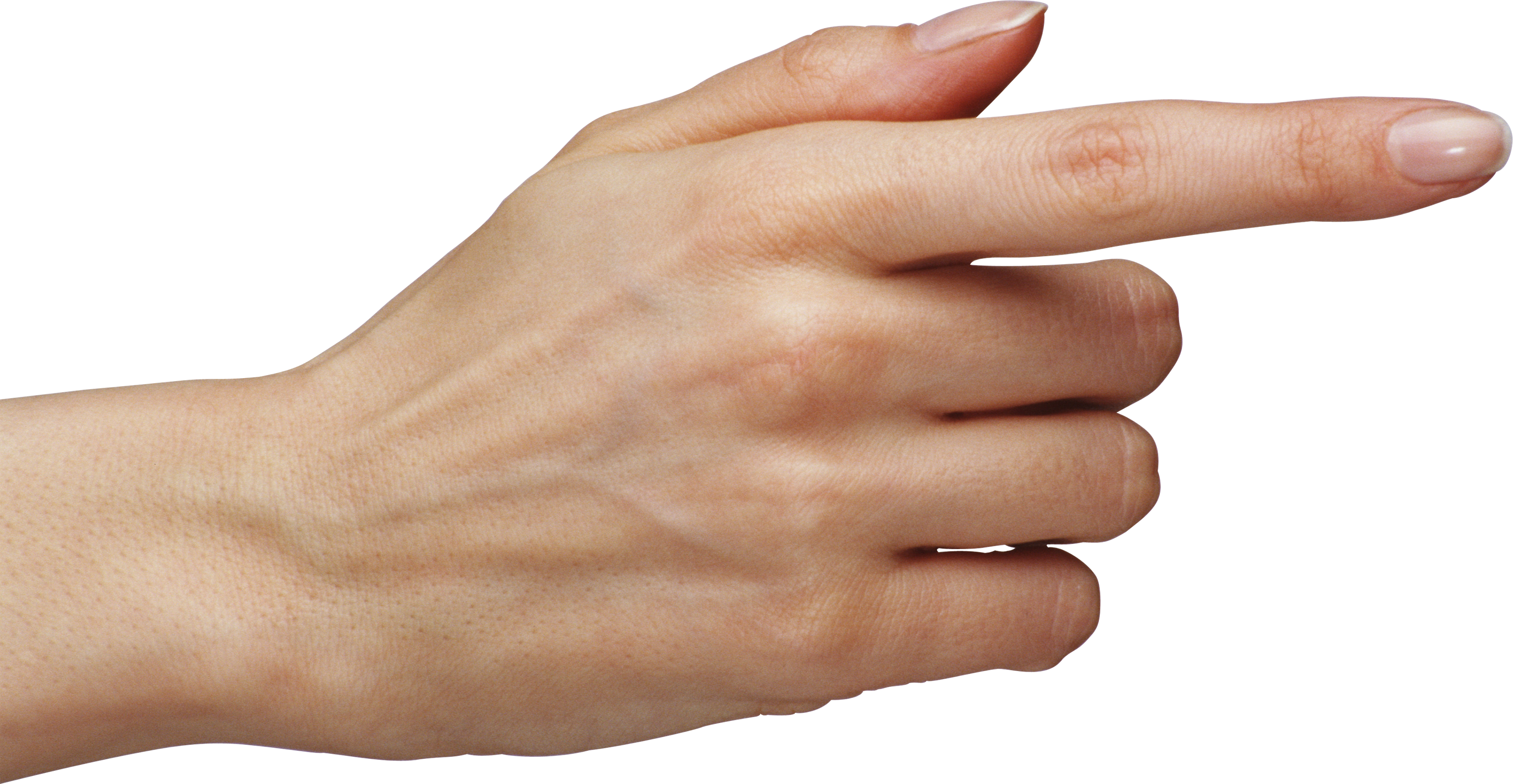
Promise rings, an evocative symbol of commitment, create a pathway to deeper emotional connection and understanding between individuals. The question of which finger should bear this emblem of affection often engenders a plethora of opinions and cultural interpretations. This article delves into the nuances surrounding the placement of promise rings, illuminating varied practices and their underlying significances.
Traditionally, the most prevalent choice for wearing a promise ring is on the fourth finger of the left hand, commonly known as the ring finger. This practice has roots in historical beliefs that this finger contains a vein—dubbed the “vena amoris”—that directly connects to the heart. Hence, adorning this finger with a promise ring might symbolize a profound emotional bond and sincerity in romantic relationships. This placement is not merely a whimsical choice; it is steeped in a romanticized tradition that continues to resonate with many.
However, the significance of the finger chosen to adorn a promise ring extends beyond mere symbolism. It is essential to consider the context in which the ring is given and the intentions of both individuals involved. Each couple might foster personal meanings associated with specific fingers. For instance, placing the promise ring on the right hand’s ring finger can be interpreted as a form of commitment without veering into the territory of engagement. This is particularly important for couples who wish to convey their dedication while still allowing room for personal growth and evolution in the relationship.
Moreover, some might opt to wear the promise ring on the index finger. This choice is often emblematic of bravery and assertion, as the index finger has long been associated with leadership and guidance. Wearing a promise ring in this manner signals not only a commitment to another person but also an affirmation of one’s individuality and self-worth. Such duality in meaning can serve to bolster both partners in their respective journeys, reinforcing the interdependence that nourishes a healthy relationship.
The middle finger, while less commonly chosen, offers another intriguing option for this significant gesture. Placing a promise ring here can be quite bold; it embodies a sense of rebellion, prioritizing personal decisions over societal conventions. Such a choice may resonate with individuals who value independence and wish to eschew traditional norms, making their own rules about commitment and relationships. It can be an assertion of personal freedom while still embracing the notion of a promise made.
In contemporary contexts, some individuals choose to wear promise rings on their thumbs. The thumb, often overlooked in traditional ring fashion, represents decisiveness and passion. By choosing this finger, a couple might convey a desire to stand together resolutely, united in purpose and ambition. This placement also posits a refreshing twist on what it means to be committed to one another, fostering a deeper dialogue about love that transcends the usual expectations of relationship milestones.
Deciding where to wear a promise ring also entails considerations such as lifestyle, profession, and practicality. For instance, individuals engaged in manual or physically demanding careers may prefer to select a finger less susceptible to discomfort or damage while still retaining the essence of their commitment. Thus, the placement becomes a personal choice that harmonizes symbolic intentions with everyday realities, ensuring the promise is both visible and sustainable.
Cultural factors can also inform the choice of finger for a promise ring. In some cultures, the left hand is revered as sacred. In this context, wearing the ring on the left ring finger can uphold familial and traditional values associated with love and fidelity. Contrastingly, in cultures where the right hand is esteemed, such an adornment may hold significance only when placed on the right ring finger, thus intertwining individual choice with ancestral wisdom.
Furthermore, the design and aesthetics of the promise ring itself can influence its placement. Consider a beautifully ornate ring that captures the eye; the allure might be best showcased on a finger where it can shine unencumbered. Simple, minimalist designs, conversely, may serve to enhance the finger’s profound meaning without overwhelming the sentiment behind the promise. This aspect of ring selection highlights the merging of form and function, where both the physical representation and deeper significance intertwine harmoniously.
As societal norms and relationship paradigms continually evolve, the practice of wearing promise rings has also transformed. Engaging in open discussions with one’s partner about the significance of the promise ring and its placement fosters a deeper understanding of each other’s values and expectations. Ultimately, the choice of finger is a personal journey reflective of each couple’s unique narrative—one that celebrates love, commitment, and shared dreams.
In conclusion, the question of which finger to put a promise ring extends beyond a mere decision of aesthetics or tradition. It encompasses a rich tapestry of meanings, cultures, and individual preferences. Whether adorning the left ring finger, right hand, or thumb, the promise ring serves as an enduring testament to commitment, fostering a journey rich with love, discovery, and mutual growth. It challenges partners to not only define their relationship but also to celebrate the profound promises they make to one another, heralding an enduring bond.

Leave a comment