

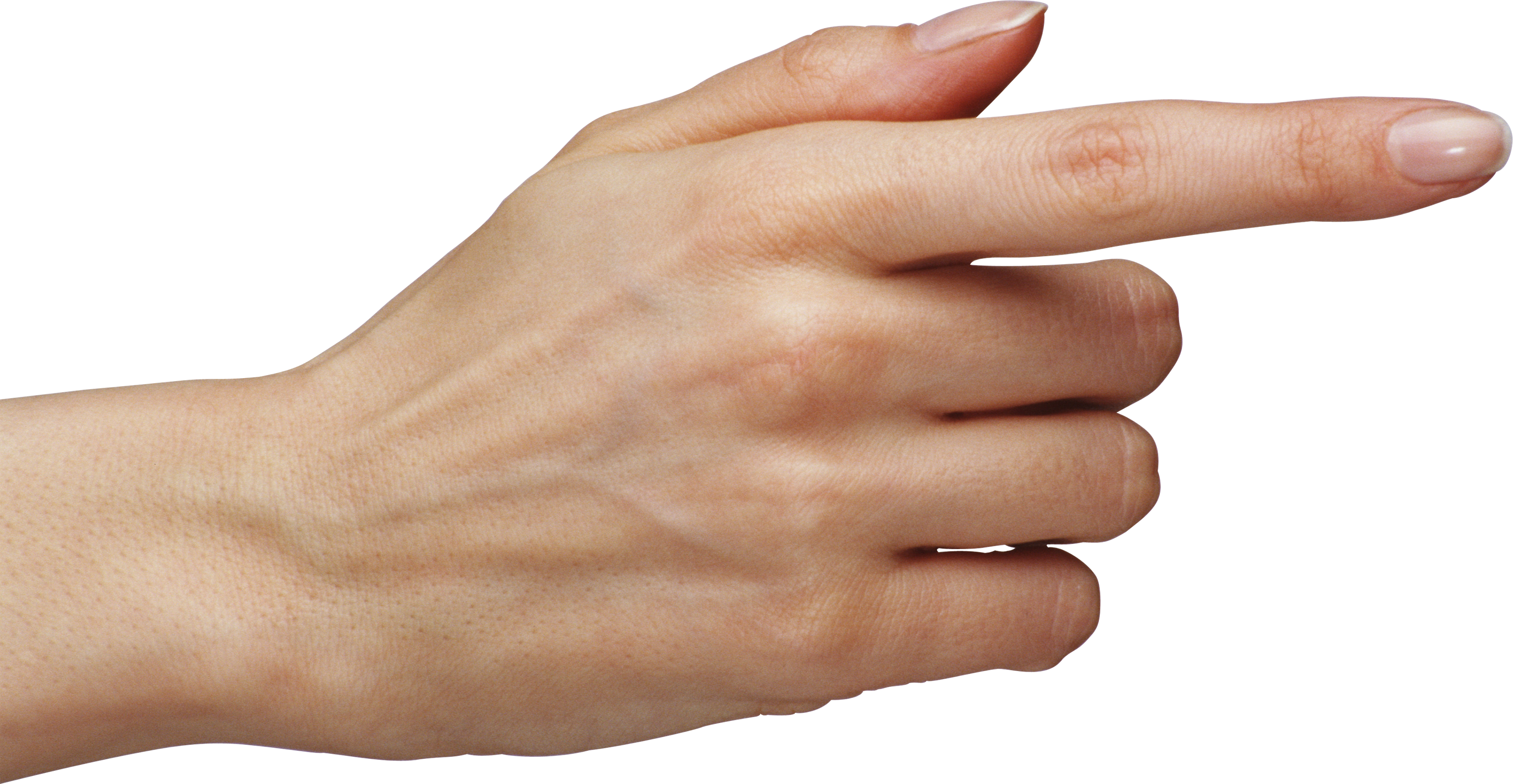
Wearing a ring is not simply an expression of personal style; it carries various cultural, symbolic, and sentimental significances. Yet, one crucial question remains: which finger should one wear a ring on? This inquiry encapsulates the intersection of tradition, symbolism, and individual preference. In this elucidative article, we shall explore the multifaceted aspects surrounding the practice of ring placement, encompassing cultural significances, different types of rings, and practical considerations.
Cultural Significance of Ring Placement
Across civilizations and through epochs, the ritual of adorning fingers with rings has served as a profound symbol of commitment, status, and identity. In Western culture, the left hand’s fourth finger, commonly referred to as the “ring finger,” is predominantly associated with romantic intent, particularly in the context of engagements and weddings. This tradition is rooted in the belief that a vein, often dubbed the “vena amoris,” runs directly from this finger to the heart. Consequently, when people exchange wedding bands, they are not merely exchanging metal; they are forging an unbreakable bond.
In contrast, several cultures have their unique interpretations. For instance, in some Eastern traditions, the right hand is preferred for engagement and matrimonial bands, symbolizing a more spiritual union. Therefore, understanding these cultural nuances is essential for anyone seeking to navigate the complexities of jewelry placement appropriately.
The Symbolism of Different Fingers
Each finger on the hand carries its own symbolism, enriching the practice of ring placement further. Let us examine the significance of each finger.
1. Thumb: Wearing a ring on the thumb has historically been indicative of wealth and authority. In contemporary settings, it is often associated with individuality and a propensity for nonconformity.
2. Index Finger: The index finger is typically seen as a symbol of leadership and ambition. Rings worn here can signify personal success, guiding one’s aspirations and achievements.
3. Middle Finger: The central finger is frequently overlooked. A ring on this digit can symbolize balance and responsibility. Additionally, its prominent position makes it suitable for statement pieces that embody one’s style.
4. Ring Finger: As mentioned earlier, this finger is quintessential for engagement and wedding rings. Its emotional weight and symbolism of love make it a revered choice.
5. Little Finger: The pinky finger is often linked with promise and family ties. In certain cultures, wearing a ring on this finger signifies loyalty and social connections, such as a family crest or a sorority pin.
Types of Rings and Their Distinct Roles
Deciding on which finger to wear a ring also depends on the type of ring in question. Each category has its own conventions and significance.
1. Engagement and Wedding Rings: As denoted earlier, these rings are conventionally worn on the ring finger. However, variations exist – some individuals choose to wear their engagement rings on the right hand after the wedding ceremony, for example. The engagement ring often features a prominent gemstone, while the wedding band is typically more understated.
2. Birthstones and Family Rings: Family rings, often adorned with birthstones, are frequently worn on the right hand as a tribute to familial bonds. Such rings can appear on the index or middle finger, presenting a more pronounced display of family pride.
3. Fashion Rings: These rings can be worn on any finger, providing the wearer with a canvas for self-expression. Style preferences dictate the choice of finger, with some opting for bold statement pieces on the index finger, while others may prefer to wear delicate rings on the thumb or pinky.
4. Signet Rings: Traditionally worn on the pinky or the ring finger, signet rings are emblematic of heritage and lineage. They often bear family crests or unique designs representative of personal history.
Practical Considerations
While symbolism and tradition play a vital role in determining which finger to wear a ring on, practical considerations should not be overlooked. The fit of the ring, comfort, and everyday activities are pivotal in ensuring that one’s choice is not only aesthetically pleasing but also functional.
For instance, rings worn on the dominant hand may require additional care if the wearer frequently engages in manual tasks, which could subject the ring to wear or accidental snagging. Furthermore, individual finger shapes can influence the ideal choice. Some fingers may swell due to health, environmental factors, or weight fluctuations, necessitating flexibility in ring selection.
Personal Preference and Expression
The corollary of all these considerations is personal preference, which reigns supreme in the realm of jewelry. As societal norms evolve, so too does the custom of wearing rings. An individual’s choice in finger placement may reflect their personality, mood, or even a spontaneous whim. Thus, while guidelines exist, ultimately, the most influential factor in the decision of where to wear a ring hinges upon the wearer’s unique identity and desired message.
In conclusion, the practice of wearing a ring on a particular finger is a rich tapestry woven from the threads of tradition, cultural significance, and personal expression. By considering the historical contexts, symbolic meanings, and practical aspects of ring placement, one can navigate this nuanced landscape with grace and insight. The beauty of jewelry lies not only in its adornment but in the stories and emotions that each piece embodies. Therefore, when contemplating the question of which finger to wear a ring on, let your choice resonate with your values, beliefs, and individual narrative.

Leave a comment